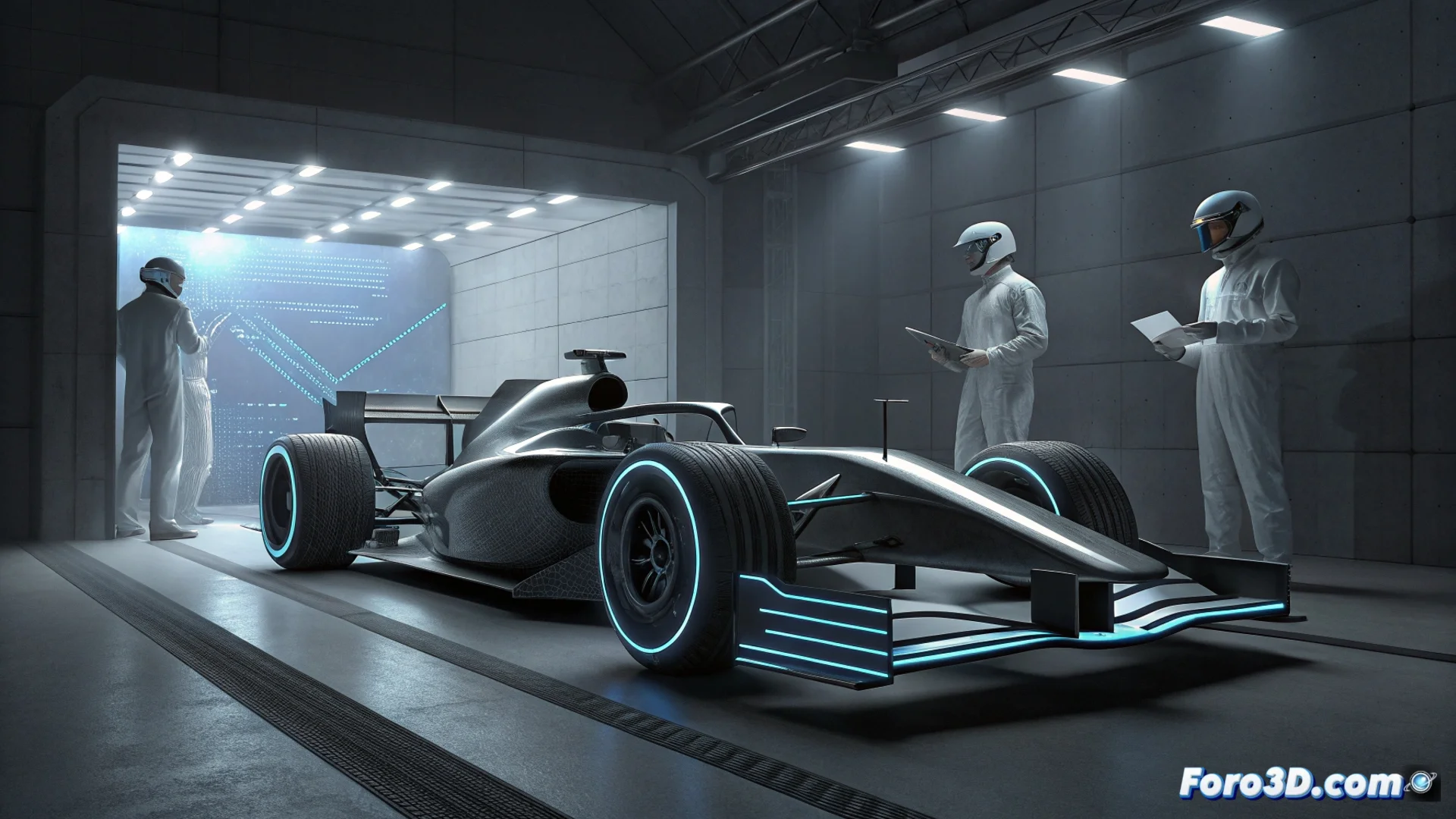
Formula 1 Closes a Chapter and Prepares for 2026
The fastest motor sport on the planet turns the page on a technical era and focuses on a comprehensive transformation that will begin in the 2026 season. This change not only redefines how the cars are built, but also alters the fundamental strategy of the teams to compete. The main goal is to balance performance between the teams and reduce differences, which could generate a more unpredictable and exciting championship. The transition is already underway, with engineers working to the limit to innovate within the new parameters that will be established. 🏁
The Heart of the Revolution: Engines and Energy
The core of the 2026 change lies in the power unit. The current hybrid V6 turbo engines will evolve into a system where electric energy will take on an unprecedented role. It is expected that the power provided by the MGU-K will nearly equal that of the combustion engine. This forces a complete rethinking of how to manage energy during a lap, how to recover it, and how to use the battery. Additionally, the FIA requires that the fuel be completely sustainable, adding an extra layer of technical complexity for suppliers. ⚡
Key Changes in Propulsion:- The electric power of the MGU-K will equal that of the thermal engine.
- The strategy for managing and recovering energy will be completely redefined.
- Mandatory introduction of 100% sustainable fuels.
The real race for 2026 is not just finding the perfect aerodynamic solution, but securing the necessary sponsorships to develop it.
Redesigning the Cars to Race Closer Together
In parallel with the new propulsion, the cars will undergo a deep aerodynamic metamorphosis. The new rules specifically seek to mitigate the disruptive ground effect, which currently makes it difficult for one car to follow another closely. The vision is to create more compact, lighter cars that leave a cleaner air trail, thus facilitating attacks and overtaking maneuvers. The tires will also be adjusted to work in harmony with these new chassis and the greater demands of the hybrid systems. 🌀
Objectives of the New Design:- Reduce the ground effect to allow following another car more closely.
- Build smaller and lighter cars.
- Generate a less dirty aerodynamic wake to promote overtaking.
- Adapt the tires to the new bodywork and energy demands.
The Race Behind the Track
While teams with more resources are already running complex simulations on their supercomputers, others are reviewing their finances with concern. The looming question is whether the toughest competition for 2026 will not take place on the asphalt, but in the offices, seeking sponsors to fund the technical innovation demanded by this new era. The challenge is twofold: innovate under strict budget and technical limits, while ensuring economic survival. 💼