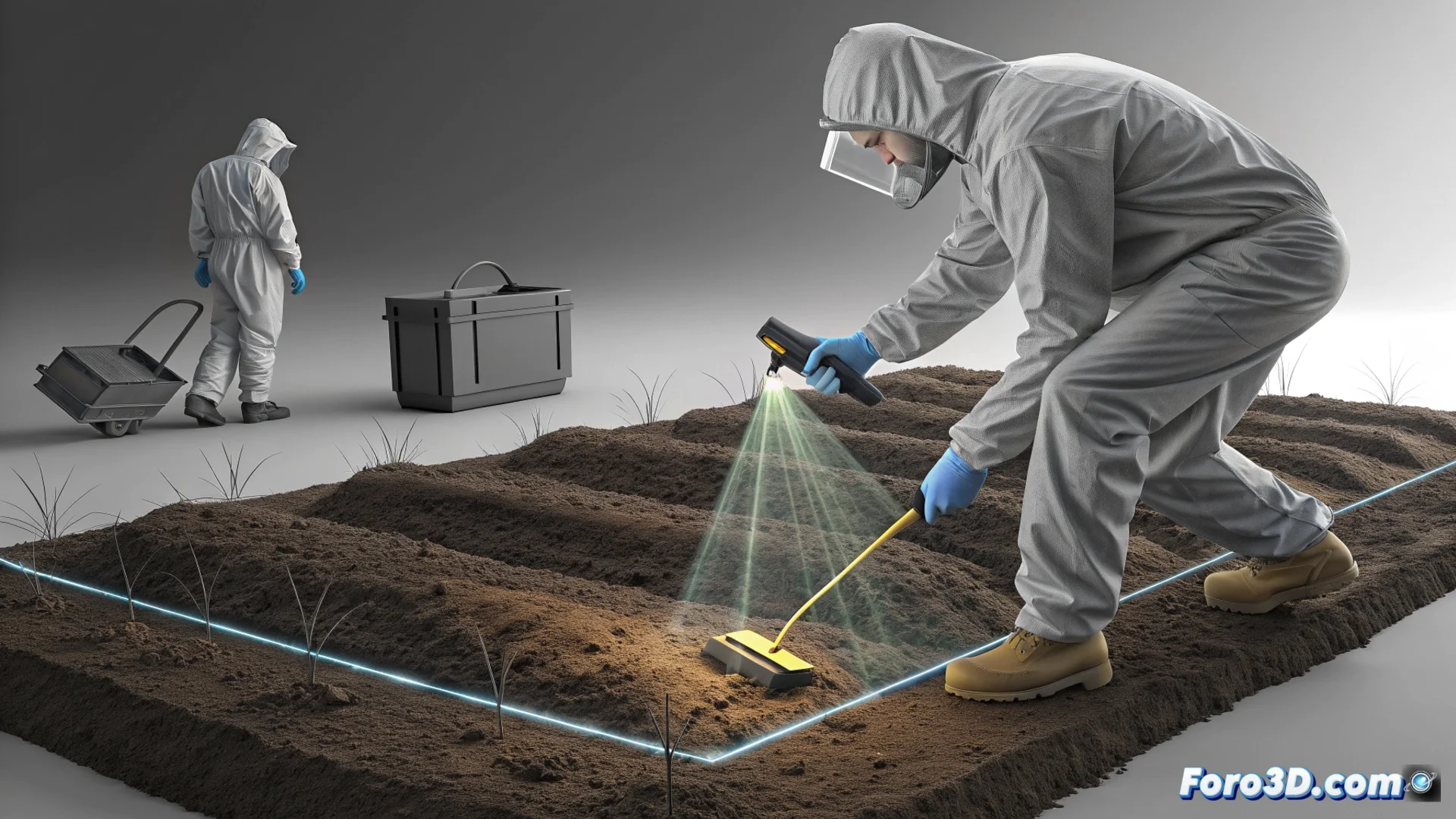
Forensic Expertise Links Agricultural Tools to Crimes Using 3D Scanning
Current criminalistics integrates three-dimensional digitization methods to examine traces left by tools at crime scenes. When an object like a hoe marks a substrate like compact soil, experts no longer rely on physical molds. Now, they capture those vestiges with high-precision 3D scanners, generating a faithful digital replica that preserves every microdetail. This digital evidence is permanent and can be analyzed without altering the original. 🔍
From Mud to Bits: Capturing Evidence Without Touching It
The process begins with 3D scanning the imprint in situ. This step overcomes the limitations of old techniques, like plaster, which could damage the evidence. The resulting 3D model acts as an exact clone of the mark, containing information on depth, texture, and wear patterns imperceptible to the human eye.
Key advantages of the digital forensic model:- Preserves data in an immutable way, resistant to physical degradation.
- Allows measuring, rotating, and sectioning the virtual imprint for comprehensive study.
- Facilitates permanent archiving and future re-evaluation, even years later.
The most mundane tool leaves the most eloquent signature in the mud. 3D technology reveals the truth hidden by the earth.
Comparing the Invisible: Microscopic Striations Analysis
The core of the forensic method is comparing the 3D model of the imprint with suspect tools found. Experts look for matches in unique patterns: nicks, scratches, and microscopic wear imperfections transferred from the metal to the soil. Specialized software aligns and overlays the digital models to quantify similarities and calculate linkage probabilities.
Steps in digital comparative analysis:- Digitize the suspect tool with the same high-resolution 3D scanner.
- Use algorithms to overlay the geometry of the imprint and the tool.
- Identify and measure matches in the striations at the microscopic level.
A New Standard of Evidence for Courts
Incorporating this technology into the chain of custody transforms the investigation. Digital files