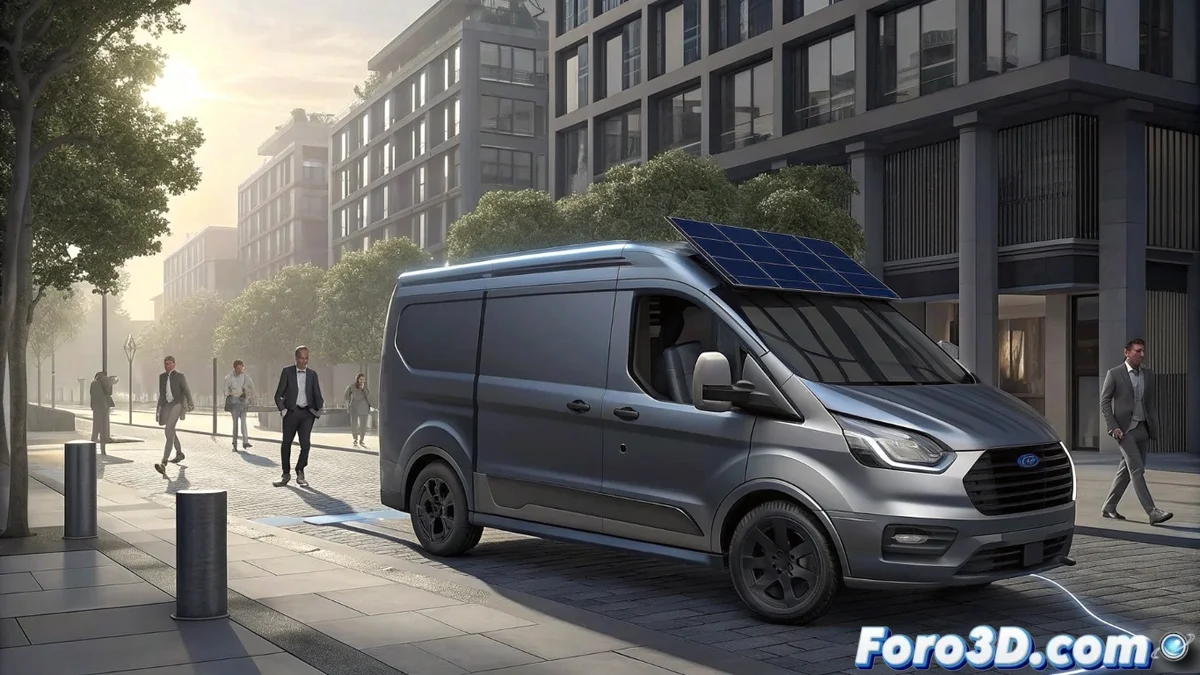
Ford e-Transit Custom 2026: the new electric van that redefines urban logistics
The commercial transportation landscape takes a leap into the future with the launch of the Ford e-Transit Custom 2026. This vehicle is not just an evolution, but a redefinition of what a work van means, fusing revolutionary energy efficiency with unprecedented versatility for everyday business needs. Its arrival consolidates electrification as the irreversible path for commercial fleets. 🚐⚡
Technical innovation and adaptable design
At the heart of this van is a next-generation electric platform. It incorporates a high-energy-density battery pack that ensures significantly extended range, surpassing the limits of previous models and allowing full delivery days without intermediate recharges. Ultra-fast charging technology is another fundamental pillar, minimizing downtime and maximizing productivity. Additionally, its chassis and bodywork have been optimized for electrification, improving weight distribution and aerodynamics.
Standout model features:- High-torque electric motors: Offer superior acceleration and responsiveness, ideal for dense urban traffic and cargo loading.
- Modular Pro Power Onboard interior: A fully configurable cargo space that adapts from parcel transport to service vehicle or passenger conversion.
- FordPass connectivity suite: Enables remote fleet management, battery status monitoring, efficient route planning, and off-peak charging scheduling.
"The e-Transit Custom 2026 is not just a new vehicle; it is the tool companies need to operate more intelligently, cleanly, and economically in the new decade." - Industry comment.
Impact on the transportation ecosystem
The entry of this Ford model exerts considerable competitive pressure in the segment, directly challenging European rivals like Volkswagen with its ID. Buzz Cargo or Mercedes-Benz with the eSprinter. Its strategy combines a competitive entry price with the benefit of government incentives available in numerous countries, significantly improving its profitability. This move accelerates the ecological transition in a sector traditionally dominated by fossil fuels.
Key advantages for businesses:- Drastic operational savings: Much lower "fuel" costs for electricity compared to diesel and simplified mechanical maintenance by eliminating components like the clutch or exhaust system.
- Zero local emissions: Helps comply with increasingly strict environmental regulations in low-emission city zones.
- Green corporate image: Reinforces the company's sustainability commitment to customers and stakeholders.
The future of commercial mobility is already here
While some sectors cling to diesel technology, the Ford e-Transit Custom 2026 serves as a tangible reminder that the electric revolution is unstoppable. Its success will depend on the parallel expansion of charging infrastructure, progressively transforming workshops and parking lots into energy hubs. This vehicle not only promises to transform urban logistics but also sets a new standard of efficiency and responsibility for all commercial transportation. The plug, more than an accessory, becomes the key to future productivity. 🔑