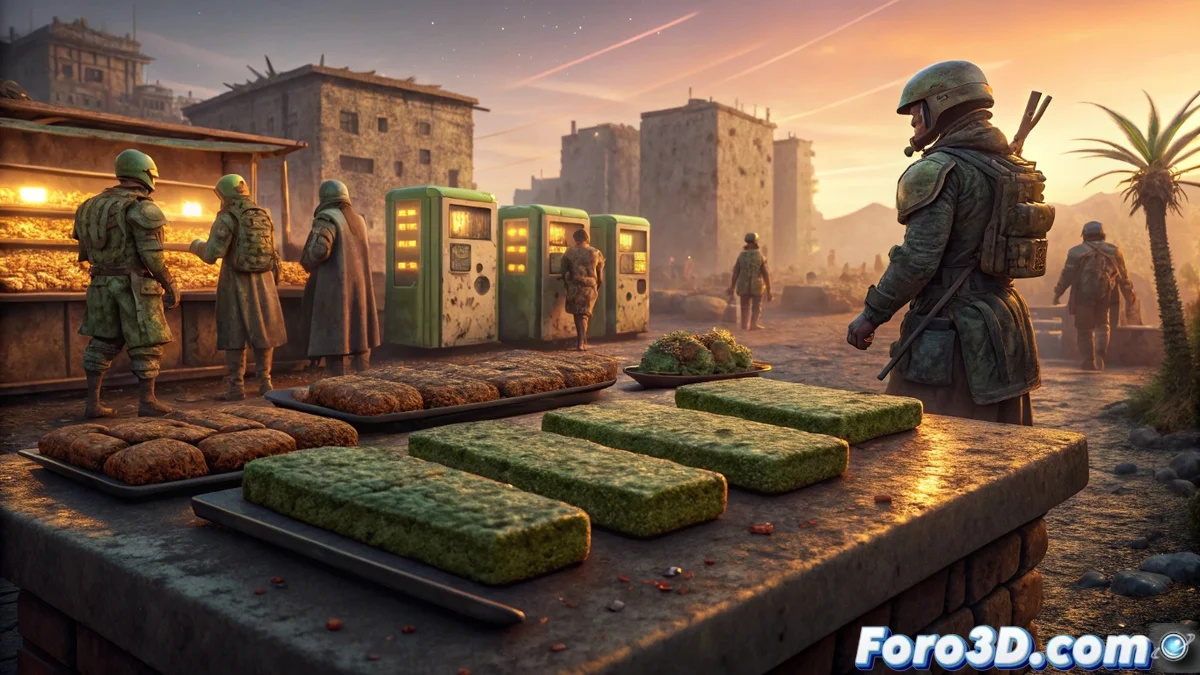
Foods of the Future: Insects and Microalgae Transformed by 3D Printing
In a global context where natural resources are diminishing while the world population continues to expand, the need to find alternative food sources has become an absolute priority. 🍽️
Alternative Proteins from Insects
Edible insects represent an extraordinarily efficient nutritional solution, highlighting species such as crickets and black soldier fly larvae. These organisms provide complete protein with an amino acid profile comparable to traditional sources, but with a minimal fraction of conventional resources.
Key Advantages of Entomophagy:- Feed conversion efficiency superior to traditional livestock farming, requiring significantly less water and arable land
- Accelerated reproduction cycles that allow continuous harvests in reduced spaces, ideal for urban environments
- Versatile processing through grinding and lyophilization techniques that facilitate their incorporation into various food products
Transforming insects into nutritious flours allows overcoming cultural barriers through innovative presentations that highlight their gastronomic value
The Nutritional Power of Microalgae
Cultivated microalgae, particularly spirulina and chlorella, constitute concentrated superfoods with exceptional nutritional profiles. Their cultivation in controlled bioreactor systems ensures constant production regardless of extreme weather conditions.
Highlighted Nutritional Benefits:- High protein concentration that can reach up to 70% of its dry weight composition
- Complete vitamin profile including B12, bioavailable iron, and omega-3 fatty acids
- Natural pigments that provide vibrant color and antioxidant properties to printed foods
Revolution through Food 3D Printing
Additive manufacturing technology applied to the food sector allows transforming these unconventional raw materials into customized edible structures. This innovation not only optimizes ingredient use by reducing waste but also facilitates the creation of specific diets tailored to individual nutritional needs. 🖨️
Applications in Critical Contexts:- Humanitarian response through decentralized production of nutritious foods in disaster zones
- Logistical solutions that overcome distribution limitations in remote or conflict-affected areas
- Extreme personalization that ensures each person receives exactly what they need nutritionally
Envisioning the Future Food Landscape
Imagine a scenario where our daily intake includes smoked-flavored cricket flour energy bars enriched with spirulina and three-dimensionally printed. This approach not only bypasses the challenges of conventional agricultural systems but represents a paradigmatic shift in our relationship with food, where technology enables optimal nutrition even in the most adverse circumstances. 🌱