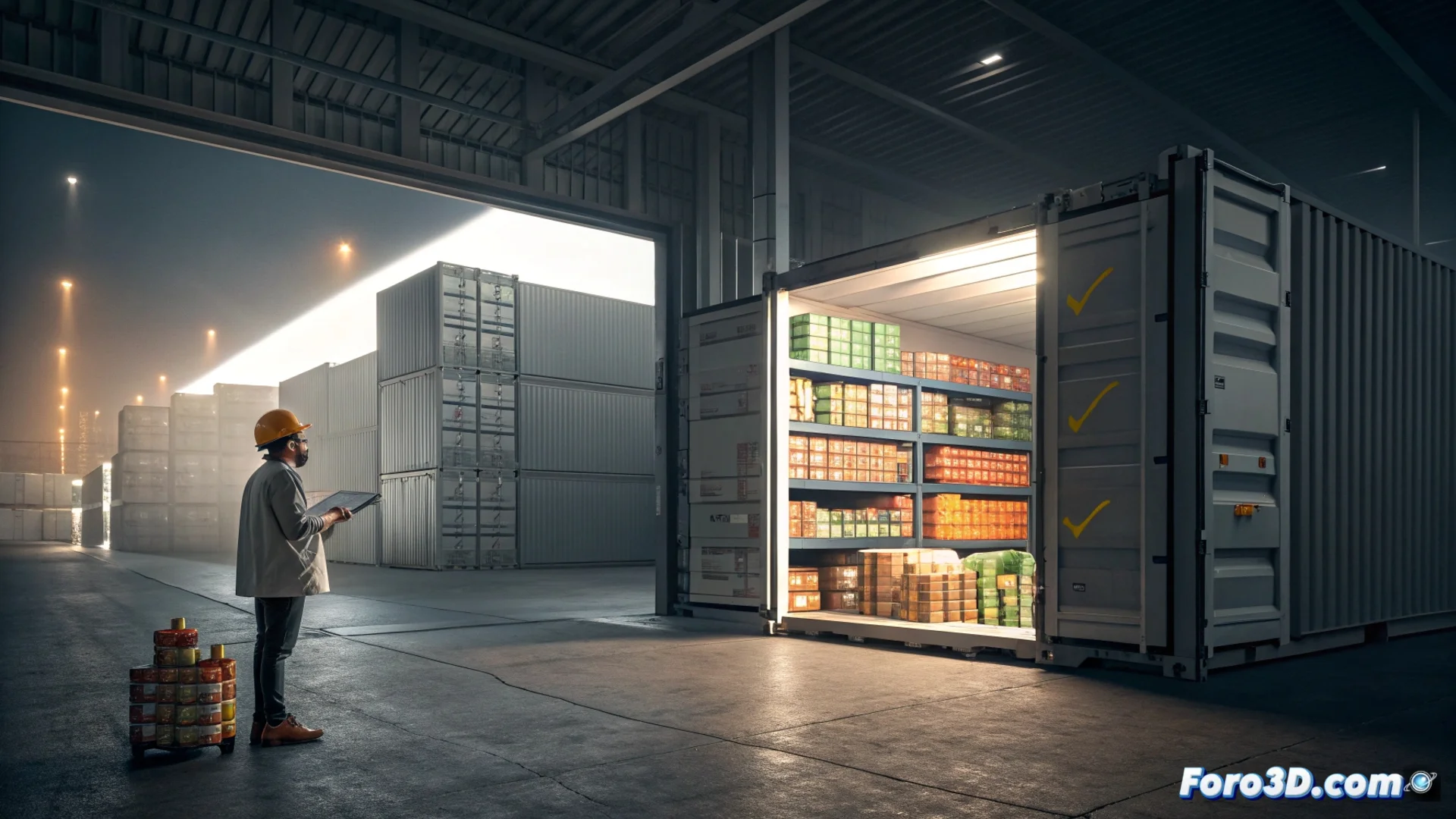
Food Dependence Grows with Products Without Sanitary Control
To supply markets, many countries import food that does not meet the same safety standards as those produced locally. This practice responds to domestic demand that exceeds what can be produced and the desire to offer lower prices on shelves. Supply routes span the globe and become intricate, complicating the tracking of the real origin of what we eat. 🛒
Risks to Public Health Intensify
When food enters without rigorous verification, the likelihood that it contains pathogens, residues of prohibited pesticides, or heavy metals increases. Health agencies lack the capacity to inspect every shipment in depth, creating gaps in protection. This not only can affect health immediately but also cause chronic problems if harmful substances are consumed repeatedly. Trust in the system weakens when alerts linked to these imported products arise.
Critical Points in the Chain:- Lack of in-depth inspection at customs due to the volume of goods.
- Abysmal differences in permitted chemical limits between countries.
- Difficulty in quickly and coordinately withdrawing products from the market.
The cheap comes expensive when applied to the shopping basket.
The Regulatory Framework Shows Important Cracks
Laws between exporting and importing countries are often different, a gap that some intermediaries exploit to introduce goods. Frequently, trade agreements prioritize the flow of goods over consumer protection. Harmonizing regulations and strengthening cooperation between control agencies is a slow process, with many political obstacles. In the meantime, responsibility falls on the consumer, who must strive to know the real origin of their food. 📄
Challenges in Regulation:- National regulations not synchronized at the international level.
- Commercial pressure to expedite procedures, relaxing controls.
- Lack of resources and technology for authorities that must oversee.
A Landscape That Demands Greater Transparency
The current situation leaves end consumers with fewer guarantees about what they ingest, even if prices may seem attractive. The complexity of global chains and gaps in laws create an environment where it is difficult to ensure the safety of all food. A coordinated effort is needed to close these cracks, improve traceability, and restore trust in what reaches our table. 🍽️