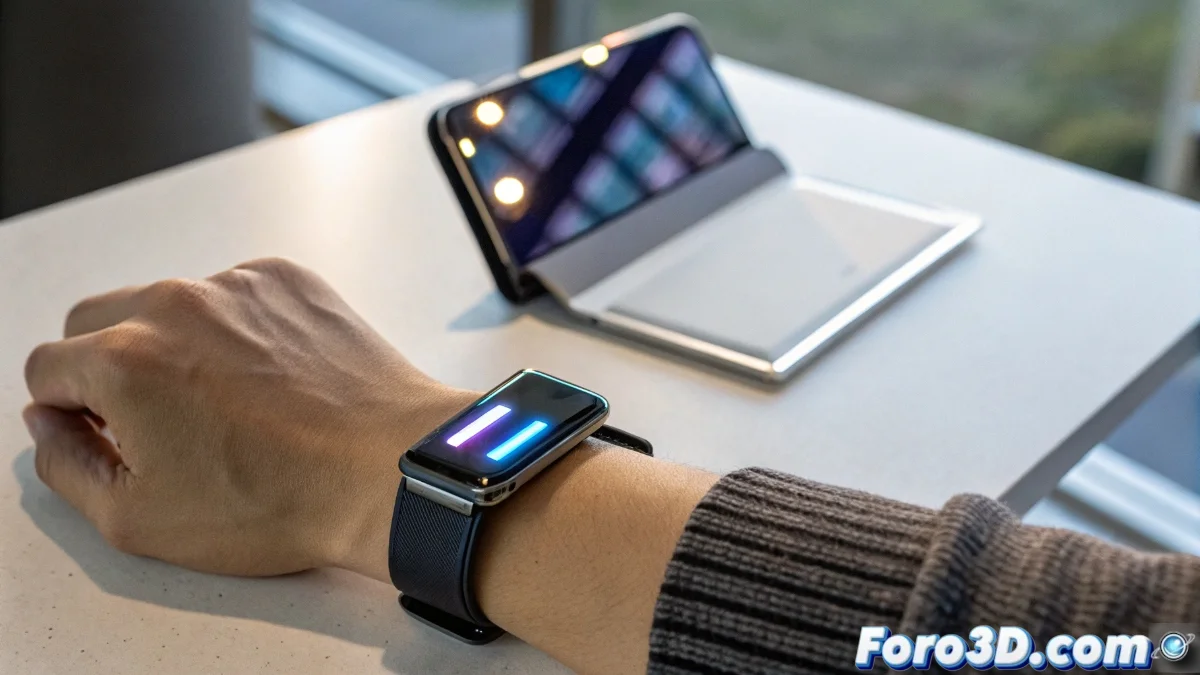
Flexible Batteries: The Energy Revolution in Foldable Devices and Wearables
Flexible batteries are transforming modern electronics by perfectly adapting to gadgets with innovative shapes, such as wearables and foldable screens. Their ultra-thin and adaptable design allows them to be incorporated into limited spaces without sacrificing energy capacity, resulting in more ergonomic and comfortable devices for daily use. These batteries employ cutting-edge materials, including conductive polymers and solid-state electrolytes, which resist degradation from continuous bending and ensure a long lifespan. Current technology focuses on increasing energy density and eliminating overheating risks, even under repetitive mechanical stress. 🔋
Innovative Materials and Structure of Flexible Batteries
Essential components include flexible anodes and cathodes made with graphene or other nanomaterials, which provide high electrical conductivity and resistance to deformation. Solid electrolytes replace conventional liquid ones, preventing leaks and allowing the battery to bend thousands of times without failing. The thin-layer architecture is optimized through roll-to-roll printing techniques, which reduce production costs and facilitate large-scale manufacturing. Major companies like Samsung and LG are heavily investing in these solutions for their upcoming wearables and foldable smartphones, ensuring that energy is not an obstacle to innovative design.
Key Advantages of Flexible Materials:- High conductivity and resistance to deformation thanks to the use of graphene and nanomaterials
- Solid electrolytes that prevent leaks and improve safety during repeated bending
- Efficient and scalable production with roll-to-roll printing techniques to lower costs
The integration of flexible batteries into foldable devices and wearables is eliminating traditional design barriers, allowing energy to adapt to the form, not the other way around.
Practical Applications in Wearables and Foldable Screens
In wearable devices like smartwatches and fitness trackers, flexible batteries conform to the curvature of the wrist, improving comfort and enabling thinner, lighter designs. For foldable screens, they are integrated directly into the gadget's structure, withstanding constant opening and closing cycles without losing energy efficiency. This fosters the creation of more durable products with greater autonomy, something crucial for users who rely on these technologies in their daily lives. Compatibility with wireless and fast charging adds extra value, making the user experience smooth and hassle-free. 📱
Benefits in Specific Applications:- Perfect adaptation to the curvature of wearables, improving comfort and enabling ultra-thin designs
- Integration into foldable screen structures that withstand constant opening and closing without performance loss
- Compatibility with wireless and fast charging for a seamless and efficient user experience
Future and Final Considerations
It seems we will soon be able to fold our devices like origami, although it's crucial to hope they don't turn out to be as fragile as paper when dropped on the floor. Flexible batteries represent a significant advancement in electronics, combining material innovation with practical applications that improve usability and durability. As the technology evolves, these energy solutions are expected to become even safer, more efficient, and more accessible, driving the development of gadgets that perfectly adapt to our dynamic lifestyle. 🚀