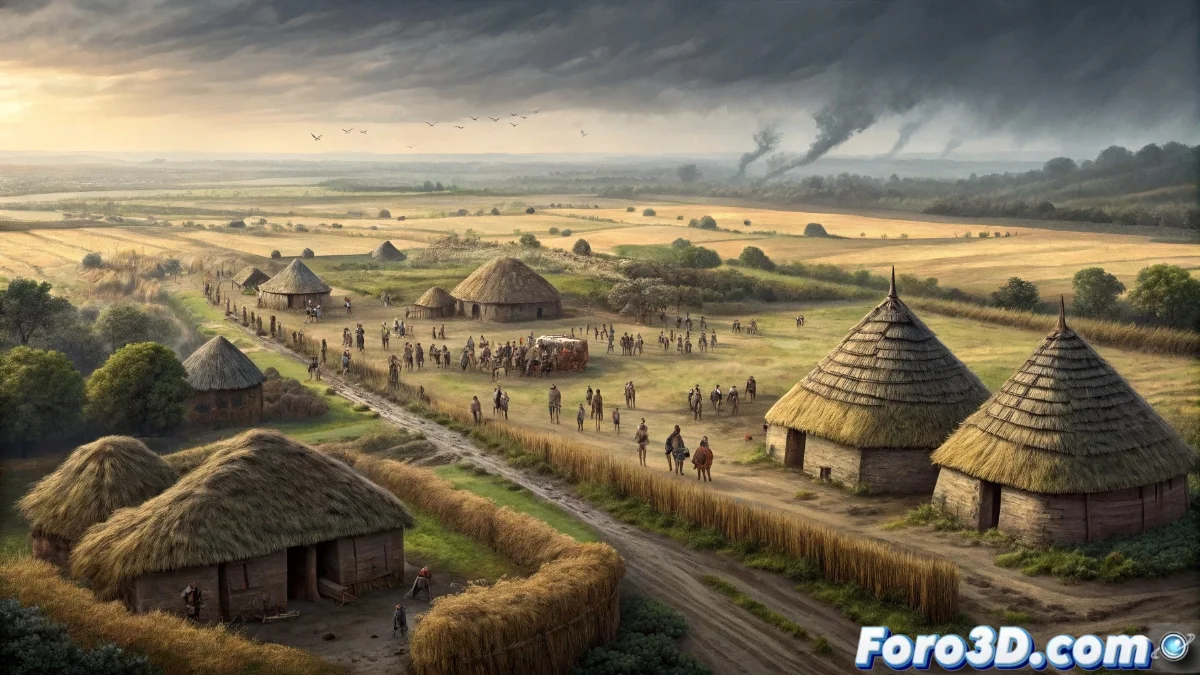
Five Millennia of Plagues That Transformed Human Civilization
Approximately five thousand years ago, humanity experienced a crucial turning point when devastating diseases began to massively affect populations. This phenomenon not only dramatically increased mortality rates but also completely reconfigured migration patterns and community organization, forcing radical adaptations in multiple aspects of life 🦠
Agricultural Revolution and Territorial Reorganization
Persistent plagues acted as a catalyst for fundamental innovations in farming practices. Communities developed crop rotation systems and selected plant varieties with greater natural resistance. Simultaneously, human settlements underwent profound transformations in their design and functioning.
Key adaptations implemented:- Rotational farming systems to prevent soil depletion and reduce disease spread
- Development of more resilient plant species through continuous artificial selection
- Urban reorganization prioritizing perimeter defenses and basic sanitation measures
"Ancient health crises forged the foundations of more complex societies prepared to face adversity"
Biological Imprint and Cultural Transformation
On a genetic level, prolonged exposure to diverse pathogens generated evolutionary pressures that shaped our genetic pool. Culturally, this turbulent period stimulated the diversification of primitive medical knowledge and consolidated power structures specialized in crisis management.
Evolutionary and social changes:- Natural selection of genetic variants that conferred partial immunity to prevalent diseases
- Diversification of healing practices based on empirical observation and ancestral tradition
- Strengthening of social hierarchies capable of coordinating collective responses to emergencies
Enduring Legacy in Contemporary Humanity
While we face modern diseases with all technological advances, it is crucial to recognize that our ancestors overcame monumental health challenges without access to medicine or medical infrastructure. This ancestral resilience left an indelible mark on our development as a species, demonstrating that the greatest adversities can become engines of progress and evolutionary adaptation 🌍