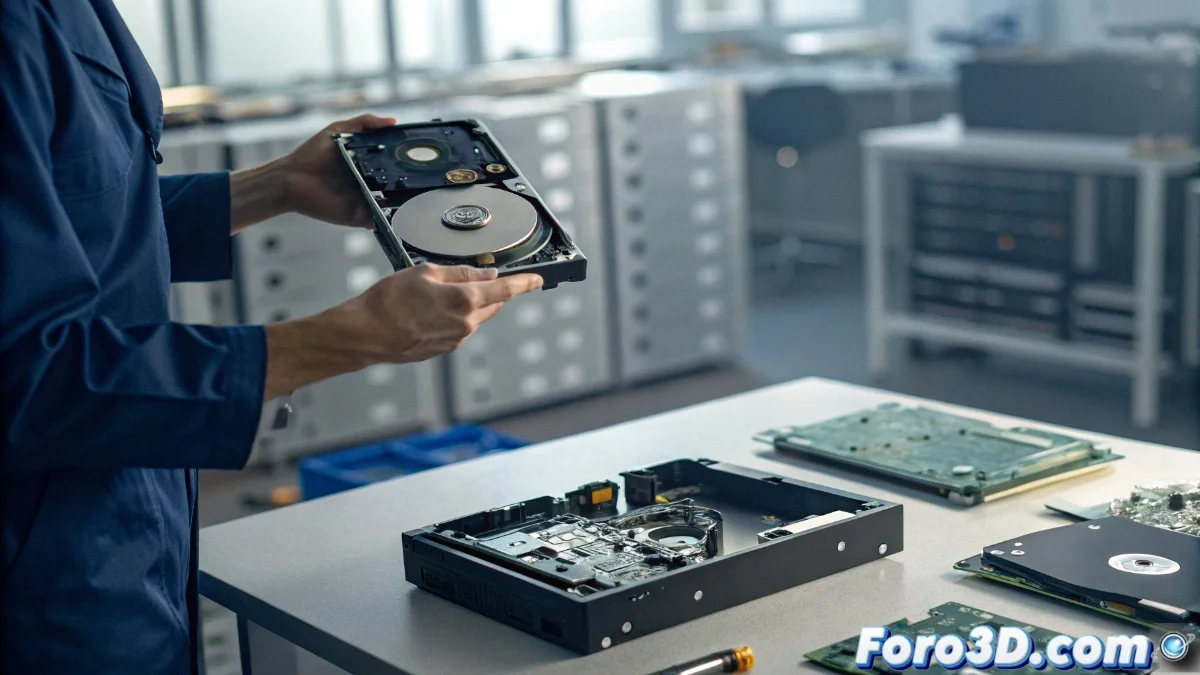
Firmware Limitations in Hard Drives and SSDs: Planned Obsolescence and Its Consequences
Between 2010 and 2018, various leading storage companies, including Western Digital, Seagate, and Samsung, integrated firmware systems into their external devices and solid-state drives that incorporated predefined restrictions on write cycles and estimated lifespan. 🚫 Originally, these technical measures sought to prevent read/write failures and ensure data integrity, but they resulted in a critical side effect: upon reaching certain established limits, the firmware completely disabled access to the drive, rendering it undetectable by operating systems despite its physical components remaining operational. 💾
Technological Evolution and Recent Improvements
The situation has seen notable advancements in more modern storage models, where manufacturers have implemented more sophisticated firmware that facilitates recovery processes and significantly extends operational life. These improvements encompass optimized algorithms for NAND cell management in SSDs and intelligent sector reallocation mechanisms in magnetic disks, thereby reducing the premature lockouts that plagued previous generations. However, these solutions only apply to devices manufactured approximately from 2018 onward, leaving users of earlier equipment in a permanent disadvantageous position. 🔄
Main improvements in recent firmware:- Advanced NAND cell management algorithms to extend lifespan in SSDs
- Dynamic sector reallocation systems that prevent unnecessary lockouts
- Integrated recovery processes that allow restoring access to affected drives
The current paradox: physically functional devices become inaccessible due to software decisions, questioning the long-term sustainability of hardware.
Impact on Users of Legacy Hardware
Owners of affected generation drives face a dilemma where equipment in perfect physical condition becomes unusable due to software configurations. This phenomenon creates a scenario of programmed functional obsolescence that forces premature hardware replacement, generating unforeseen expenses for consumers and casting doubt on the durability of storage products. The inability to update firmware in numerous older models, combined with the absence of official recovery tools, transforms this issue into a chronic limitation for these devices. 💔
Key consequences for users:- Premature replacement of functional hardware, increasing costs for the end user
- Lack of official recovery tools for older models
- Questions about the sustainability and transparency of storage products
Final Reflections on Ownership and Use
Sometimes, it feels like we purchase the hardware but only rent the right to use it, until the firmware decides it's time to say goodbye. This reality underscores the need for greater transparency from manufacturers and durable solutions that respect users' investments. 🔍