Figma as an Essential Tool for Designing Board Games
In the realm of board game design, Figma emerges as a versatile platform that facilitates the creation of coherent and functional visual elements. Its reusable components and auto-layout system streamline the workflow, enabling rapid iterations and maintaining uniformity across all aspects of the game 🎲.
Structuring Components for Board Games
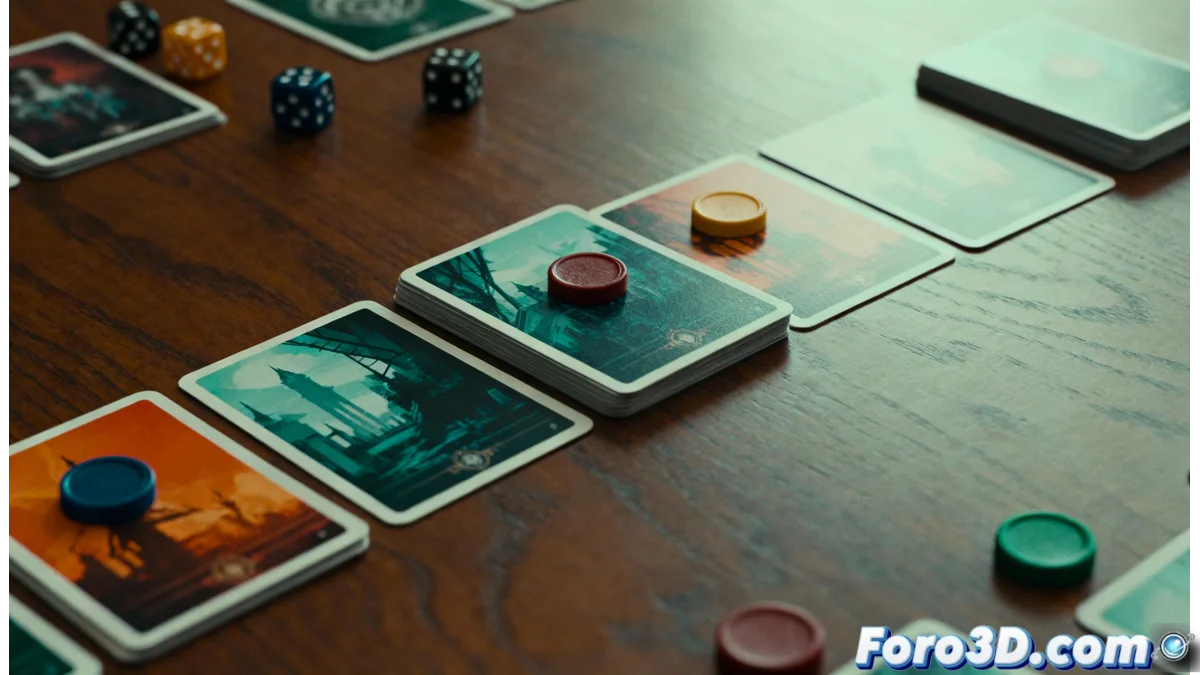
The process begins with the main board defined as a base frame, on which tiles designed as master components are distributed. This allows instantiating multiple versions without losing consistency. The cards are developed using variants to adapt to different types, while auto-layout automatically adjusts content when modifying texts or icons. The game tokens, in turn, are conceived as independent components with variable states to reflect movements and specific actions during the game.
Key advantages of using components:- Efficient reuse of visual elements without duplicating efforts
- Maintenance of aesthetic coherence across all instances
- Rapid adaptability to changes in design or game rules
Figma not only accelerates design but also ensures that every piece of the game maintains its visual identity from the first sketch to the final version.
Interactive Prototyping for Mechanics Validation
Figma's prototyping tools allow simulating the real game experience by connecting elements like tokens, boards, and cards. Establishing interactions between components helps demonstrate valid movements, card draw flows, and turn transitions through animations. This digital prototype serves as a testing ground to identify flaws in rules or usability before proceeding to physical manufacturing, saving time and resources 🕹️.
Benefits of interactive prototyping:- Early detection of errors in game mechanics
- Simulation of user experience under realistic conditions
- Optimization of rules through iterative testing
Preparation for Production and Manufacturing
Once the design and testing are complete, proceed to exporting high-resolution assets, meeting the manufacturer's specifications. Each element is separated into individual layers and precise cut guides are configured for cards and boards. Figma ensures a consistent library of styles and colors, guaranteeing that the physical materialization of the game preserves the planned visual coherence. However, a curious side effect is that, after numerous tests on the digital prototype, the designer may discover all the winning strategies before players enjoy their first real game 🏆.