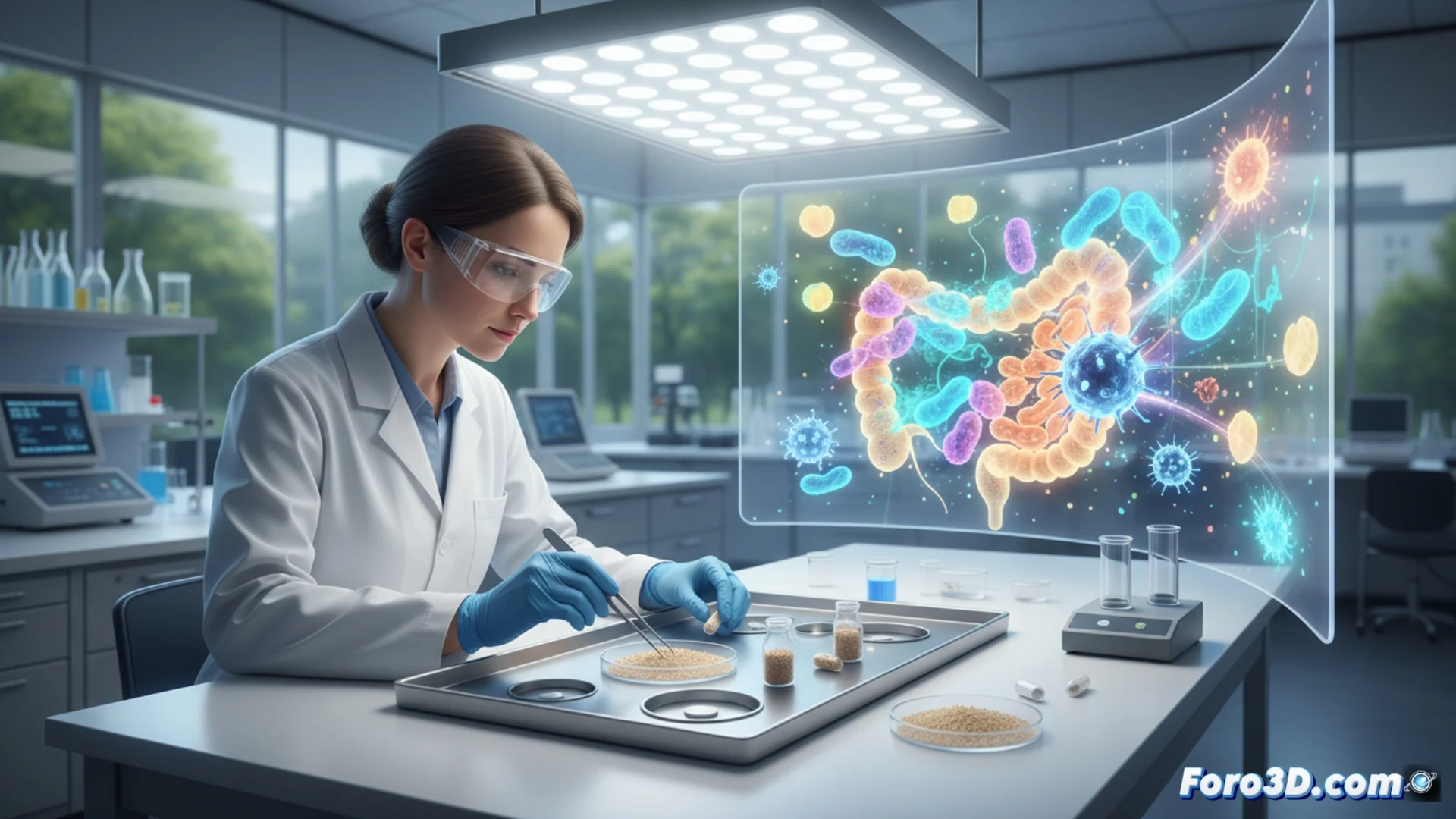
Fecal Transplants Boost Cancer Immunotherapy
New scientific findings reveal that altering the gut bacterial community through fecal transplants can make drugs that activate defenses against cancer work more effectively. This innovative approach is showing promising results in patients with advanced tumors. 🔬
Promising Results in Patient Trials
Preliminary data from clinical studies indicate that cancer patients who receive a fecal microbiota transplant (FMT) along with their immunotherapy treatment show a better response. In types of cancer such as lung, kidney, or melanoma, this combination is linked to patients living longer without their disease progressing, compared to using only the standard drug.
Key Evidence from the Studies:- Patients with advanced cancer respond better to immunoactivating drugs when combined with FMT.
- The combined therapy is associated with greater progression-free survival, especially in kidney cancer.
- Balancing gut bacteria seems to enhance the body's natural ability to fight tumors.
By receiving beneficial bacteria from a healthy donor, the patient's intestinal environment is modulated and enhances the action of oncological drugs.
The Mechanism: Modulating Defenses from the Gut
The scientific basis of this effect focuses on how a diverse and healthy gut microbiota helps regulate the immune system more effectively. The change in the patient's bacterial ecosystem seems to create a favorable environment for the drugs to act more potently.
Additional Impact of the Approach:- Enhances the action of immunotherapeutic drugs by modifying the microbiome.
- Early reports suggest it could reduce some of the common toxic side effects in these treatments.
- Science points to a strengthened natural immune response against tumor cells.
A Future with Personalized Bacterial Cocktails
These advances suggest that, in the future, a specific bacterial cocktail could be essential for other cancer treatments to work. This gives a new perspective to the well-known saying, transferring it to what we can transplant to improve health. The path to more effective combined therapies with less toxicity is under development. 🧬