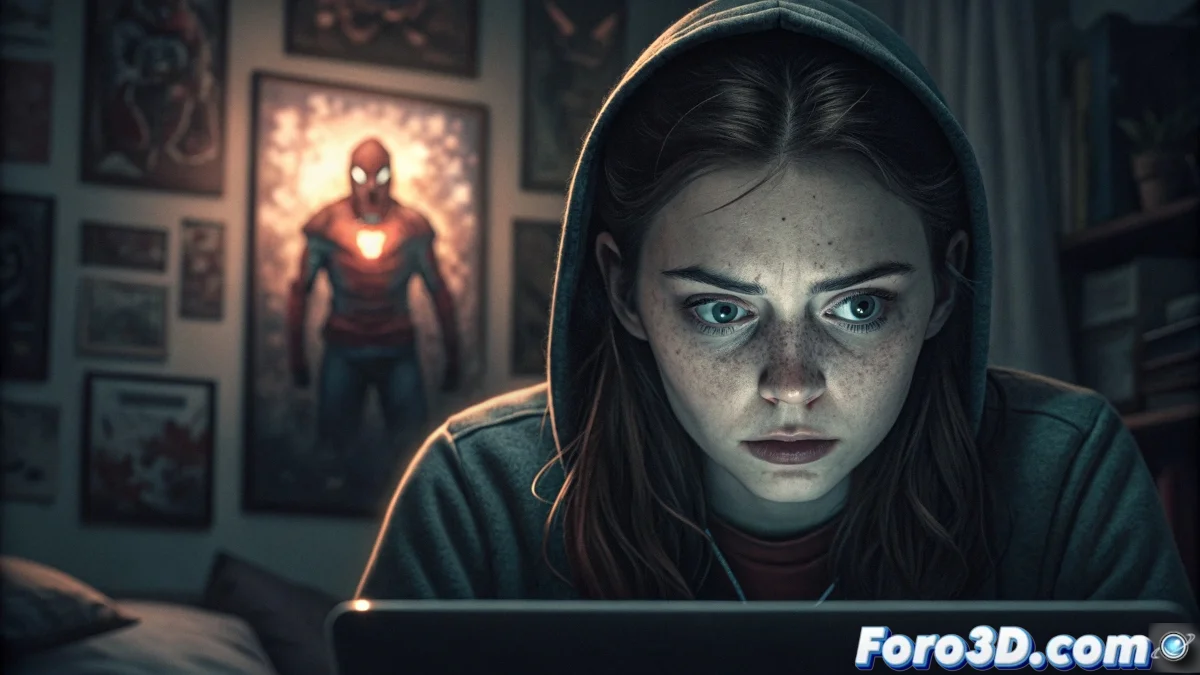
Fanatic: When Love for Fiction Becomes Dangerously Real
Vertigo DC has released Fanatic, a series that transforms fan culture into a tangible supernatural force. Created by writer Magdalene Visaggio and artist Jason Howard, the story presents a world where extreme obsession with entertainment franchises, music bands, or even conspiracy theories grants literal powers. These fanatics are not mere enthusiasts, but individuals whose devotion has crossed a metaphysical threshold, allowing them to manifest elements of their passions in reality. The series explores this phenomenon through a group of characters whose lives revolve around their particular obsessions. 🎭
The Psychology of Fandom as a Narrative Engine
What makes Fanatic unique is how it turns abstract concepts from fandom psychology into concrete power mechanics. A fan obsessed with a science fiction series can develop impossible technology, while a devotee of a rock band can manipulate sound as a weapon. The intensity of the power corresponds directly to the depth of the obsession, creating a system where mental health and supernatural ability are inextricably linked. This premise allows exploration of both the positive side of passion and its darker, self-destructive aspects.
Analysis of the Power System and Characters
The series establishes clear rules for its supernatural universe while maintaining flexibility to explore different types of obsession. Each character represents a distinct facet of fan culture, from the compulsive collector to the conspiracy theorist.
The Spectrum of Obsessions
The main characters include Cassandra, whose devotion to a space opera franchise grants her tactical foresight; Marcus, whose encyclopedic knowledge of comics allows him to manifest artifacts from the stories; and Lena, whose obsession with a deceased singer gives her control over emotions through music. Each power reflects not only the object of their obsession but also their personal relationship with it—whether loving devotion, personal identification, or narcissistic appropriation.
Types of Fanatics and Their Powers:- cultural devotees - narrative manipulation
- extreme collectors - object materialization
- conspiracy theorists - perception alteration
- nostalgics - control of time and memory
The Attention Economy
The series introduces the concept of the attention economy as a supernatural resource. Fanatics not only gain power from their own obsession but can drain attention energy from less dedicated fans. This creates a competitive ecosystem where the most popular franchises generate the most powerful fanatics, but also where ultra-specific niches can produce unique and specialized abilities. The central conflict arises when different groups of fanatics begin to compete for cultural dominance.
In Fanatic, your identity is not defined by who you are, but by what you obsessively love.
Art that Celebrates and Critiques Pop Culture
Jason Howard creates a visual style that is both a celebration and satire of contemporary culture. His pages are filled with visual references to real franchises but slightly altered, avoiding rights issues while commenting on recognizable cultural phenomena. Power effects vary according to the character's obsession: anime fanatics have visual styles reminiscent of that medium, while horror devotees display powers with B-movie aesthetics. This approach creates a richly layered visual experience that rewards rereading.
Visual Innovations:- styles reflecting different media
- use of altered pop culture iconography
- power design based on references
- collage of recognizable cultural elements
Metaphor for Contemporary Culture
Beyond entertainment, Fanatic functions as a sharp social critique on the place of pop culture in modern identity. It explores how entertainment franchises have replaced religious and cultural traditions in many ways as identity pillars. The series asks: in a world of media overstimulation, where does healthy enjoyment end and pathological obsession begin? Can the fictions we love give us real power, or do they simply distract us from reality? 📺
Themes Explored:- cultural identity in the digital age
- boundaries between passion and pathology
- attention economy as a resource
- community versus tribalism in fandom
In the end, Fanatic demonstrates that we are all a little fanatical about something, though probably not to the point of shooting laser beams with our favorite mangas, no matter how hard we try. ✨