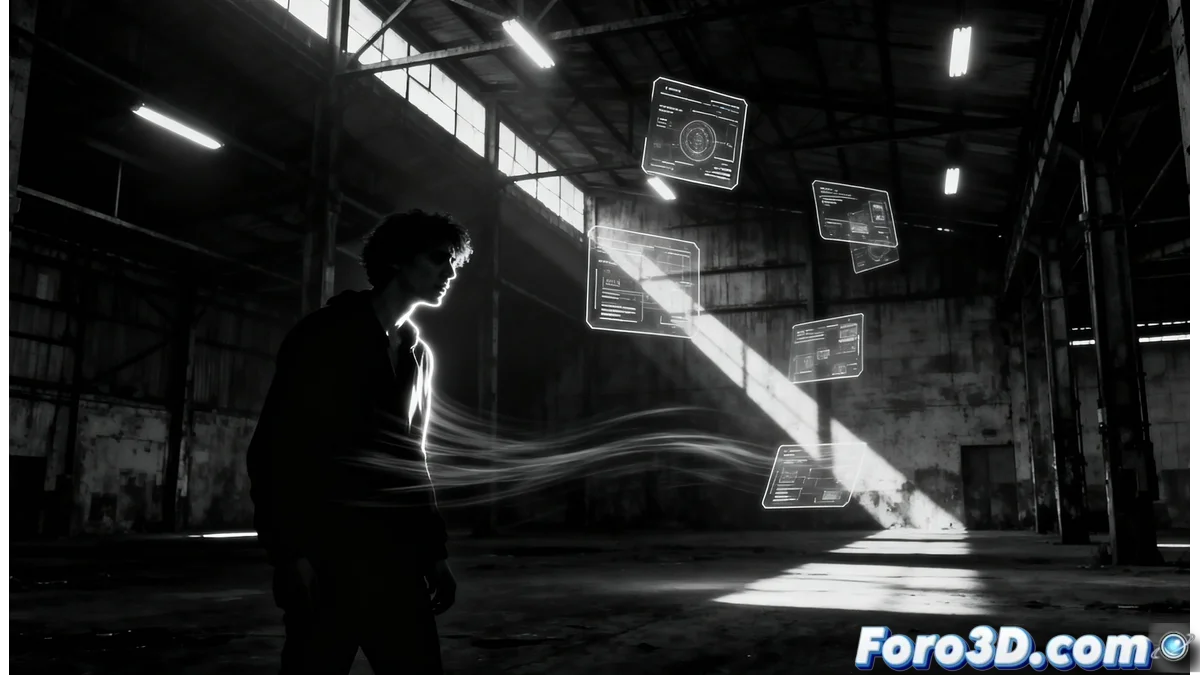
Extreme Minimalism in Interfaces: When Aesthetics Harm Usability
The trend of radical minimalism in interface design has evolved into an approach where visual appearance dominates over users' functional needs. This philosophy deliberately hides fundamental interactive components, forcing people to discover them through specific interactions that are not always intuitive. 🎨
The False Simplicity That Complicates Everything
What superficially appears to be a clean and orderly interface actually conceals a significant operational complexity. Users must become digital detectives, guessing locations or performing precise gestures to access basic functions. This approach contradicts decades-established usability principles, where predictability and immediate visual feedback are essential for satisfactory experiences.
Main Problems of Excessive Minimalism:- Essential controls disappear until the user performs specific actions
- Significant increase in cognitive load from having to remember hidden locations
- Immediate frustration when people cannot complete basic tasks
True minimalism does not consist of removing elements until the interface becomes unusable, but rather in keeping only the essential in an accessible and understandable way.
Impact on Real Users
In practical applications, this problematic approach particularly affects users with different levels of technological experience. Screens that appear empty but contain essential functionalities generate confusion and disorientation, transforming what should be a fluid interaction into an exercise in extreme patience. Productivity is compromised when people spend more time searching for controls than performing their main tasks.
Documented Negative Consequences:- Early abandonment of visually attractive but impractical platforms
- Decrease in daily work efficiency
- Cumulative frustration that generates rejection of the application
Towards an Intelligent Balance
The solution does not involve completely abandoning minimalist design, but rather finding a conscious balance between aesthetics and functionality. Effective interfaces keep essential elements visible and accessible, eliminating only what is truly superfluous. It is paradoxical that designs seeking maximum simplicity end up creating the most complicated experiences, where users feel like explorers in unknown digital territories. The key is understanding that true elegance in design arises when form and function coexist harmoniously. ⚖️