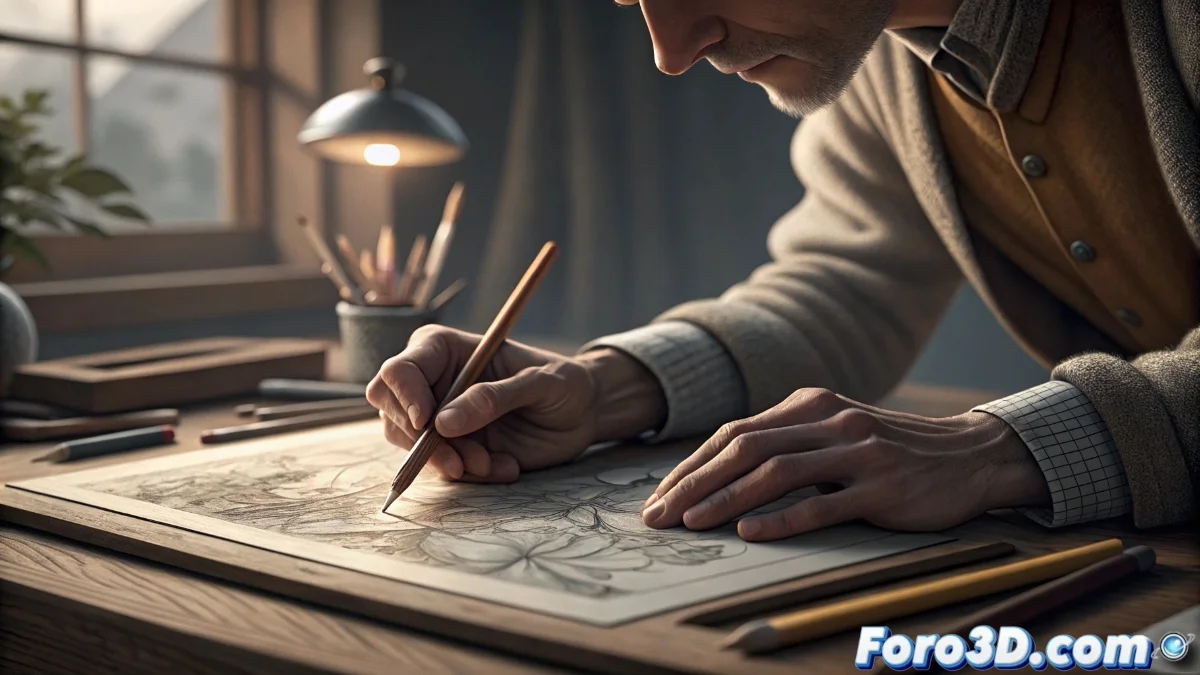
Experimenting with Artistic Supports to Improve Drawing
Discovering how artistic materials interact with different surfaces is a key strategy to enhance versatility and creative growth. This methodology allows understanding the unique reactions of each base, from papers to canvases or digital platforms, which expands the artist's expressive and technical possibilities. 🎨
Advantages of Exploring Multiple Surfaces
The diversity of supports enriches the artistic process by offering different responses to each tool. For example, a rough grain paper intensifies contrasts with charcoal, while a polished canvas is perfect for delicate strokes with watercolor. This variability trains the drawer in adjusting pressure, speed, and angle, improving overall control and precision.
Key Benefits of Experimentation:- Expansion of the technical repertoire by testing unconventional bases like metal, fabric, or wood
- Development of adaptability to tackle complex projects with greater confidence
- Prevention of monotony by keeping learning dynamic and motivating
Practice with varied supports transforms mistakes into valuable lessons about material behavior.
Implementation in the Drawing Routine
Integrating this technique requires starting with accessible surfaces, such as cardstock or drawing boards, and common media like pencils or inks. Dedicating sessions to a single type of support helps observe its effects on fluency, color, and texture. Keeping a sketchbook journal to record observations facilitates reflection and method adjustment.
Steps for an Effective Transition:- Start with basic supports and gradually incorporate textured or digital surfaces
- Approach each experiment with curiosity, accepting that "failures" provide useful insights
- Use graphic tablets to expand skills toward advanced digital environments
Final Reflections on the Process
Experimenting with supports not only refines manual dexterity but also boosts creativity by presenting unforeseen challenges. Although some attempts may result in chaotic works, each experience teaches which surfaces tolerate corrections and which require greater planning. This approach fosters continuous and enriching learning for any artist. ✨