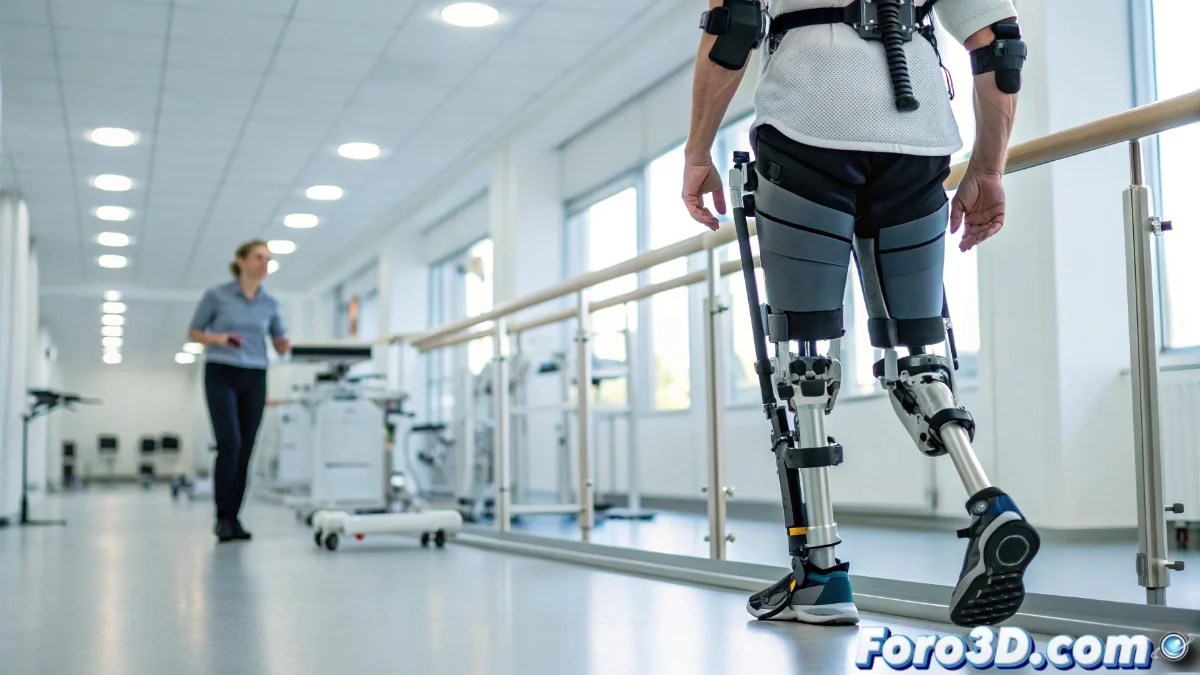
ExoAtlet I and II Exoskeletons: Innovation in Rehabilitation and Assisted Mobility
The ExoAtlet exoskeletons represent a revolutionary advancement in the field of rehabilitation, offering personalized robotic support for people with motor limitations. These devices not only facilitate gait recovery but also promote independence in daily activities. 🦿
Technical Features and Usage Modes
The ExoAtlet I is specifically designed for clinical environments, incorporating advanced sensors that interpret movement intention and motors that provide precise assistance. For its part, the ExoAtlet II is an optimized version for home use, with improvements in autonomy and simplified controls that favor self-management.
Key differences between models:- ExoAtlet I: Focus on professional supervision, robust structure, and promotion of neuroplasticity through intensive therapy
- ExoAtlet II: Lightweight, long-lasting batteries, and automatic adjustment for independent use in various environments
- Both models: Adaptability to different physical builds, ensuring comfort and effectiveness during sessions
The technology of these exoskeletons not only restores mobility but also redefines the limits of modern rehabilitation.
Transformative Benefits in Daily Life
The implementation of these systems significantly reduces recovery times and increases user motivation by allowing them to perform actions that previously seemed unattainable. Clinical studies support improvements in blood circulation, muscle strengthening, and prevention of complications from prolonged immobility.
Additional advantages:- Optimization of resources in healthcare centers through ergonomic design that minimizes therapist effort
- Increase in quality of life by facilitating participation in social and physical activities
- Prevention of muscle atrophy and other conditions related to lack of movement
Social Impact and Future Perspectives
These assisted mobility devices not only represent a technological milestone, but also a ray of hope for those facing motor challenges. While some consider climbing stairs trivial, this technology restores the elegance of gait to those who had lost it. 🤖