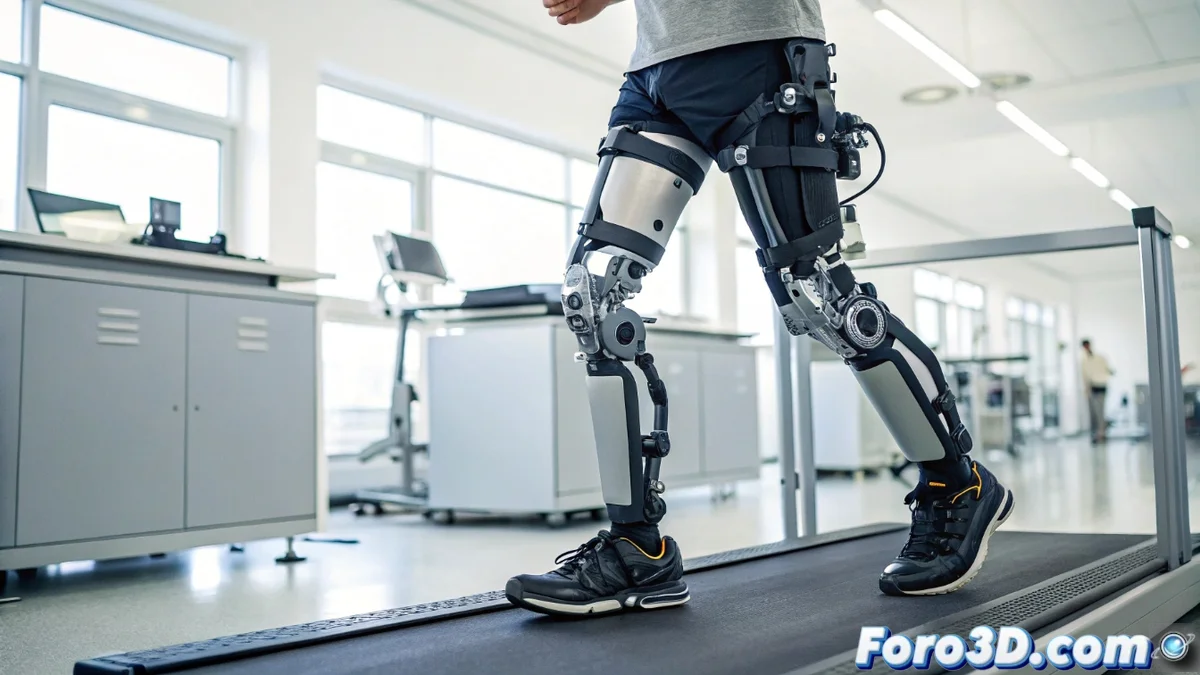
Exo-H3: Robotic Exoskeleton for Lower Limbs
The Exo-H3 represents a significant advancement in robotic exoskeleton technology designed specifically to enhance lower limb capabilities. This system is actively used in three main fields: scientific research, rehabilitation processes, and development of automated control systems 🦿.
Multidisciplinary Applications of the Device
In the field of biomedical research, the Exo-H3 allows precise analysis of human movement patterns and the development of intelligent algorithms that optimize synchronization between user and machine. For clinical rehabilitation, it provides personalized support to patients with various neurological and musculoskeletal conditions.
Key Technical Features:- Ultralight structure with composite materials allowing millimeter-precision adjustment
- Biometric sensor system that records real-time movement data
- Adaptable interface that customizes according to individual therapeutic needs
The integration of artificial intelligence into rehabilitation systems represents a paradigm shift in modern physical medicine
Advanced Control Technologies
The robotic control system incorporates cutting-edge technologies such as machine learning and neural networks that enable contextual adaptation to user movements. This capability not only increases effectiveness in recovery therapies but also accelerates the development of intelligent prostheses with greater autonomy.
Future Development Lines:- Implementation of brain-machine interfaces for direct mental control
- Application in industrial environments for assistance in physically demanding tasks
- Adaptation for people with severely reduced mobility
Impact and Evolution Perspectives
The Exo-H3 marks a turning point in motor assistance technology, combining scientific precision with immediate practical applications. Its continuous evolution promises to revolutionize both rehabilitation processes and human-machine integration in various professional and domestic environments 🤖.