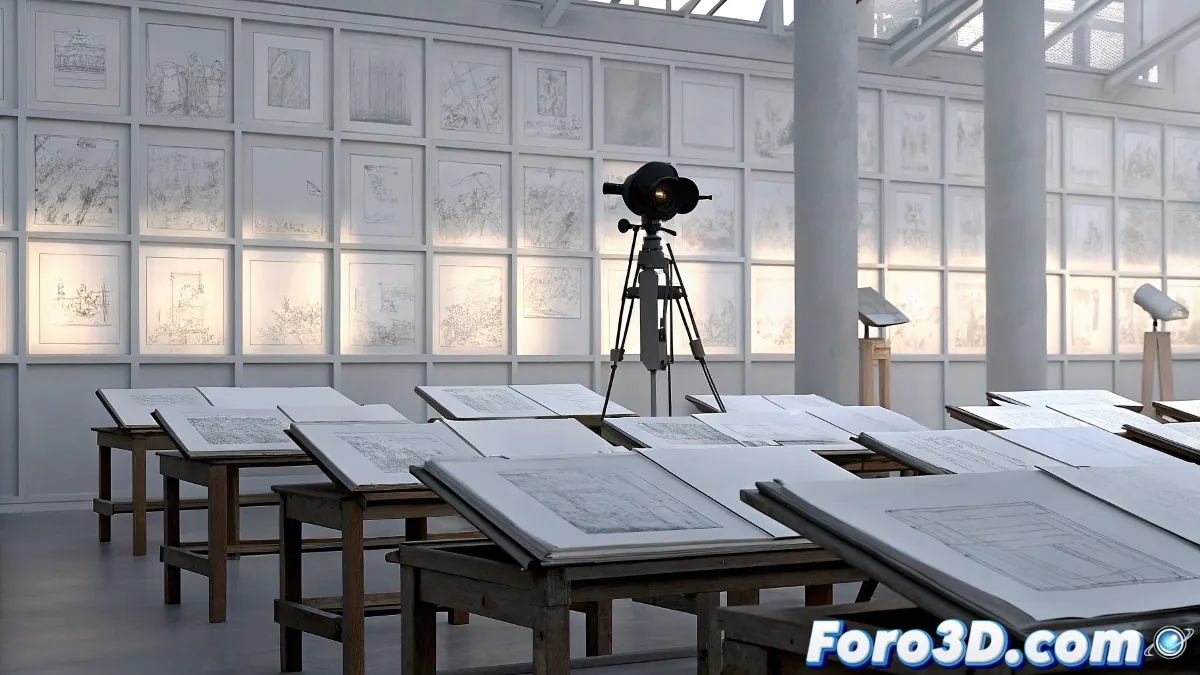
The Evolutionary Journey of Animation Techniques
The history of animation is a tale of constant technical reinvention. From the first strokes on paper to complex digital environments, each technological advance has expanded expressive possibilities without nullifying previous methods. This evolution has not been linear, but a progressive enrichment of visual language.
Fundamental Eras in Animation
Three periods marked turning points in the way moving images are created:
- The artisanal era: Frame-by-frame manual drawing with techniques like rotoscoping
- The digital transition: Implementation of scanners and software to optimize the 2D process
- The spatial revolution: Three-dimensional modeling and computer rendering
"True innovation in animation occurs when the technique disappears to reveal only the emotion"
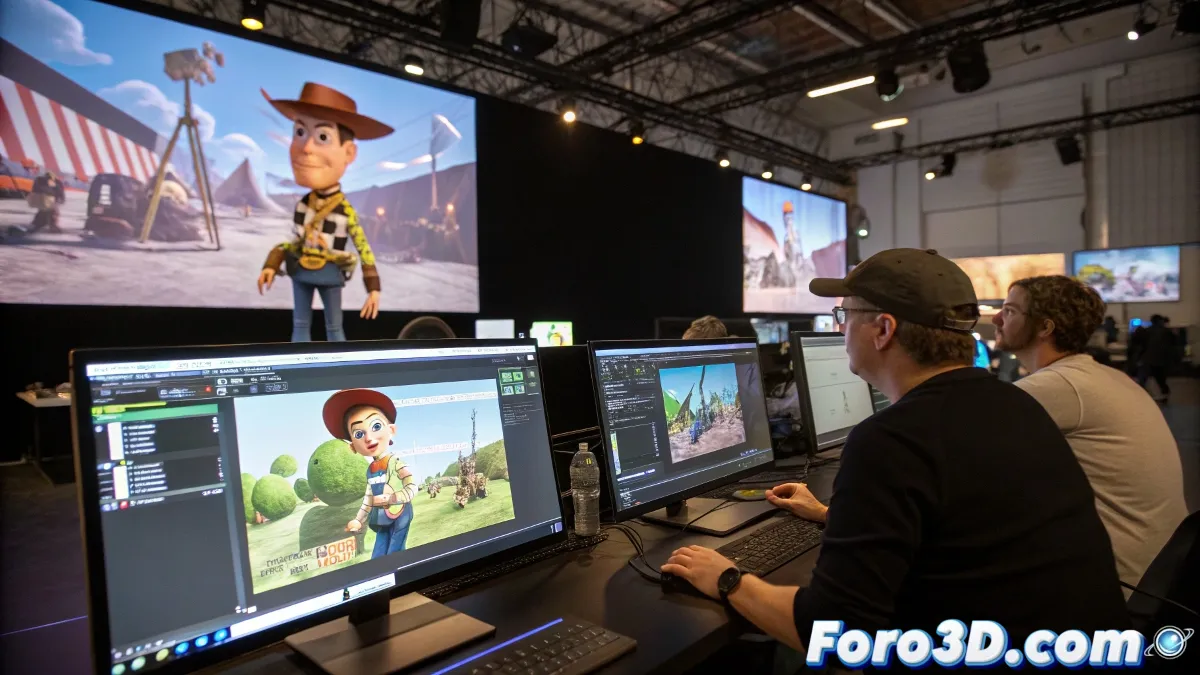
Coexistence of Techniques
Far from replacing each other, different approaches coexist and complement each other in current production. Contemporary projects demonstrate how:
- 2D retains its value for pictorial and expressive styles
- 3D offers unprecedented possibilities for movement and depth
- Hybrids create completely new visual languages
The Future of Animated Creation
Current tools allow artists to choose the medium that best serves their vision, without technical limitations. Artificial intelligence and augmented reality promise new horizons, but the fundamental principle remains: animation as the art of bringing the inanimate to life. What began as an optical experiment has become one of the most versatile creative languages of our time.
This discipline continues its course, integrating innovations while keeping alive the artisanal spirit of its origins. The true legacy of animation lies not in its tools, but in its ability to make the imaginary believable and to move through movement.