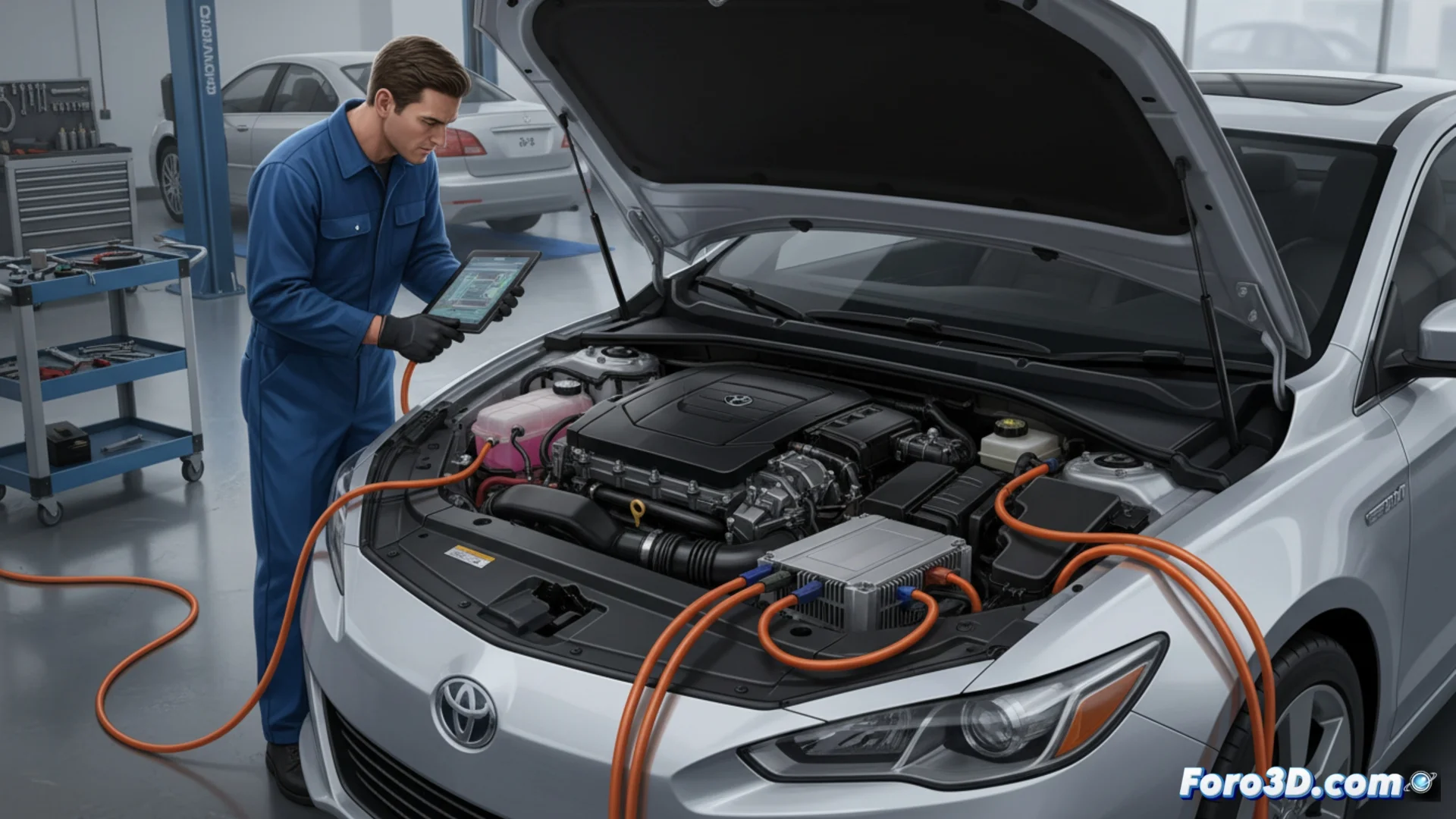
Evaluating a Used Hybrid Car: Keys to Inspecting Its Electrical System
Buying a used hybrid vehicle may make you wonder about its long-term reliability, especially regarding the electrical components. The fear that the battery or inverter might fail, with the associated cost, is common. However, thoroughly verifying these systems before purchasing greatly minimizes the risk. The solution is to perform a comprehensive technical inspection of the car. 🔍
The Traction Battery: The Critical Component
The condition of the main battery largely defines the car's value and whether it's worth it. Using specific diagnostic tools allows reading its State of Health (SOH), a percentage that shows the remaining capacity compared to its original state. A value below 70% warns that it will likely need to be replaced soon, an expensive repair. It's also advisable to check the service history to see if the manufacturer applied software updates or an extended warranty for this component.
Key Steps to Check the Battery:- Perform a diagnosis with specialized equipment to obtain the real SOH value.
- Consult the maintenance book for updates or warranty claims.
- Consider that a battery replacement involves a significant financial outlay.
A professional diagnosis is the only reliable way to know how much life is really left in the battery of a used hybrid.
The Rest of the Electrical System Matters Too
Besides the battery, there are other components like the inverter, the electric motor-generator, and the high-voltage wiring that can cause problems. An expert should perform a visual inspection to detect corrosion, overheating damage, or poor connections. Testing the vehicle in its different operating modes (electric only, combined, regenerative braking) helps perceive if the transitions between them are smooth and without anomalous noises, a sign that everything is working as it should. 🚗⚡
Elements to Inspect Beyond the Battery:- Inverter and Electric Motor: look for signs of wear or thermal damage.
- Wiring and Connectors: check for no oxidation or loose connections.
- On-Road Behavior: test all modes to ensure smooth operation.
Plan for the Unexpected
There is always the remote possibility that something fails right after passing the MOT, because cars have their own laws. The most sensible thing is to include a contingency fund in your purchase budget. That way, if the universe decides to test you, you'll have a cushion to face a surprise repair without it becoming a major headache. 💡