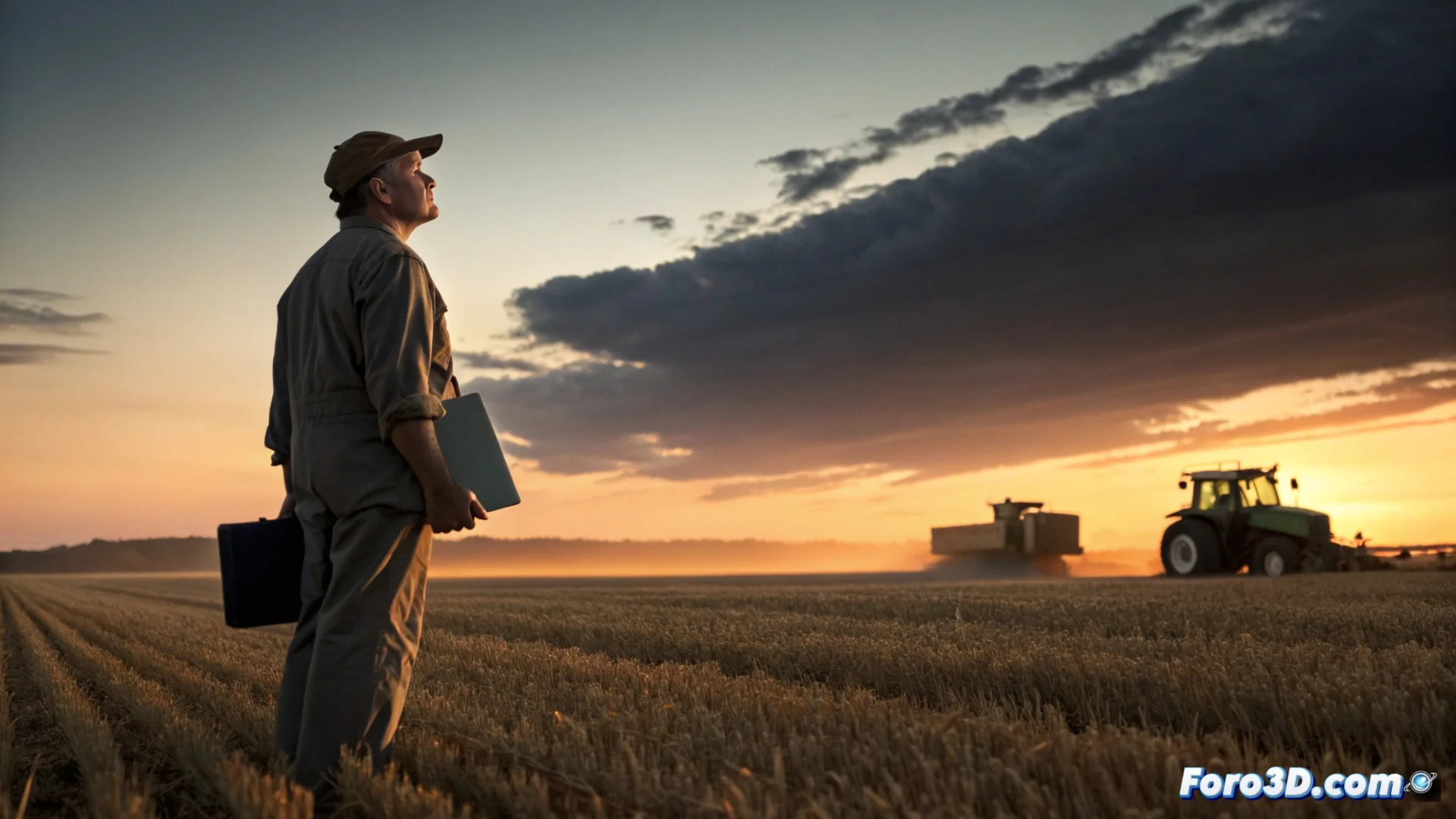
European restrictions make producing in the French countryside more expensive
The European Union imposes environmental rules that force farmers in France to transform how they operate. These directives aim to protect ecosystems and limit the impact of agricultural activities, but simultaneously increase costs for those who work the land. Producers must invest in new machinery, alter their routines, and handle more paperwork. This financial effort combines with unstable energy and raw material prices, squeezing the economic viability of farms. 🌾
The impact on the use of chemical inputs
Two areas where the rules have become stricter are the use of phytosanitary products and synthetic fertilizers. Legislation restricts permitted substances and reduces authorized quantities. To comply, farmers need to find alternatives, which are often less effective or more expensive. They are also forced to stop using certain lands or rotate crops in a specific way, which can reduce their harvest volume. Adapting farms to these requirements demands time and capital.
Mandatory changes in the countryside:- Seek alternatives to traditional phytosanitaries, often more expensive.
- Implement specific crop rotations that can reduce yield.
- Invest in new equipment to meet emission limits.
"While some celebrate greener fields, the farmer reviews his accounts and thinks that, sometimes, the ecological has a very earthly price."
The administrative burden and controls
Complying with the law does not only involve modifying techniques in the field. Farmers must document every step, submit detailed reports, and face regular inspections. Managing this bureaucratic burden requires dedicating many work hours or hiring advisors, which is another fixed cost. Fines for not following the rules to the letter can be high, generating uncertainty and economic stress. This complex framework makes long-term planning difficult and competing with producers from countries with less stringent rules challenging.
Additional pressures on the farmer:- Document and report all activities for audits.
- Submit to periodic inspections that consume time.
- Assume the risk of economic sanctions for non-compliance.
A balance between ecology and economy
The landscape for the French farmer is defined by this tense balance. On one hand, there is a genuine drive to farm more sustainably. On the other, the accumulation of costs for equipment, advice, and possible production drops threaten profitability. This pressure intensifies when competing in a global market where not all producers operate under the same strict rules. The future of the sector will depend on how these transition costs toward a greener model are managed. 💰