European integration worsens territorial inequality in the countryside
The European community project generates disparate effects in its geography, accentuating the fracture between dynamic regions and territories in decline. Rural areas bear the weight of an economic and demographic decline that common policies have not been able to stop. This process consolidates an unbalanced development model. 🏙️🌾
The real cost: jobs and activity that vanish
The figures evidence the constant deterioration of the rural environment. It is estimated that more than 300,000 jobs have been destroyed in these territories. Annually, this translates into a loss of between 6,000 and 8,000 million euros in economic activity that is never generated. The opportunity is systematically wasted.
Consequences of the decline:- Population flight: Young people and the workforce emigrate to urban centers.
- Economic deactivation: Businesses close, services are reduced, and productive capacity diminishes.
- Wealth concentration: Growth accumulates in cities and metropolitan areas, leaving much of the continent behind.
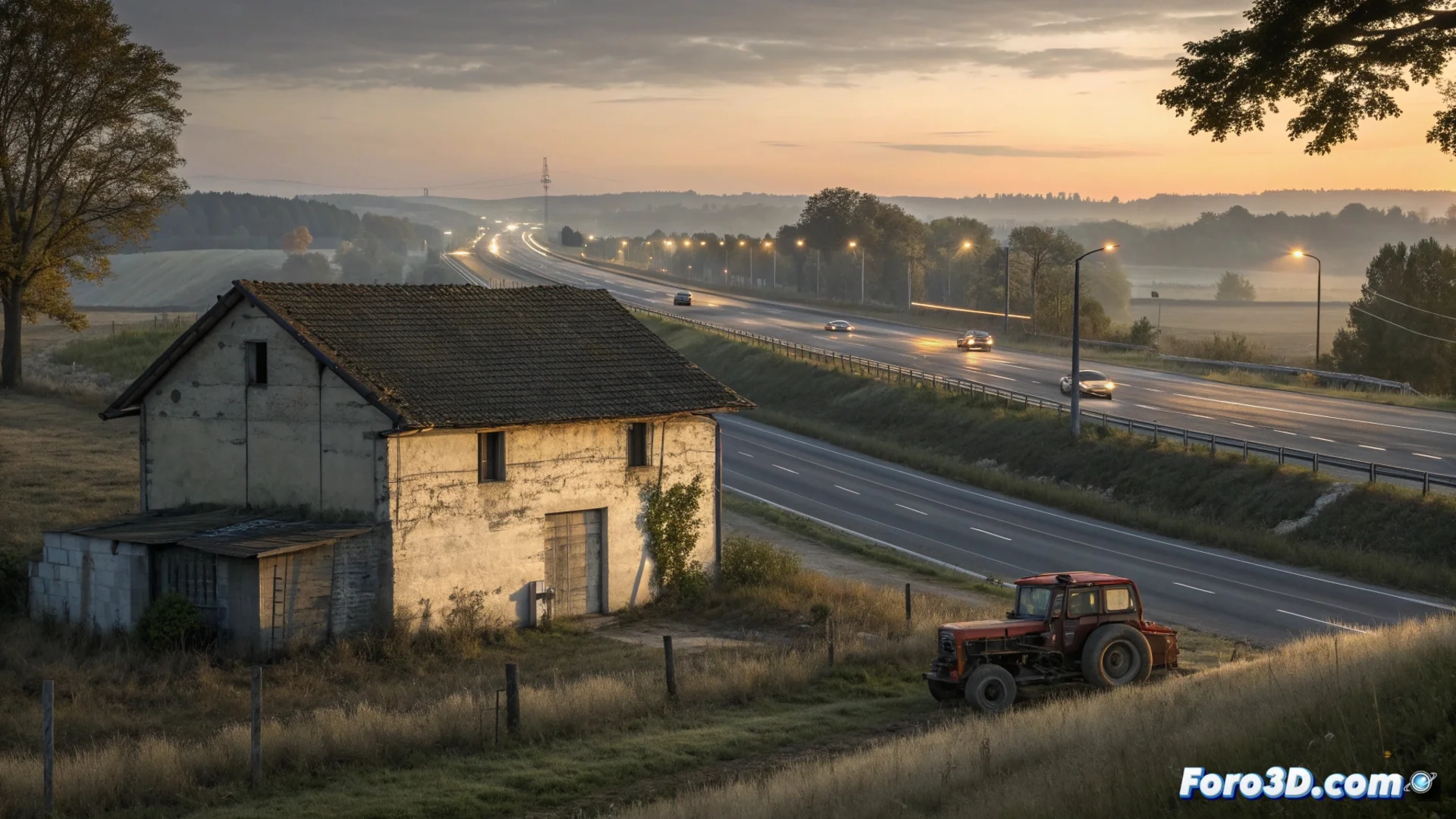
While capitals shine with European funds, in many villages the biggest recent investment is still the streetlamp installed a decade ago, which now mainly lights up the empty square.
Funds that don't arrive: the ineffectiveness of cohesion policies
Despite the existence of mechanisms such as cohesion funds and the Common Agricultural Policy (CAP), their effectiveness in reversing the trend is limited. The paradox is that a project designed to unite, in practice reveals and deepens existing fractures.
Barriers that limit the impact:- Complex access: The procedures to obtain financing are arduous for small rural entities.
- Unfair competition: Larger and more visible urban projects usually monopolize attention and resources.
- Inadequate planning: Strategies do not always adapt to the specific needs and scale of rural territories.
A future of persistent imbalance
The current panorama points to the consolidation of a structural territorial imbalance. Without a profound change in the design and execution of policies, the European countryside will continue to lose economic and demographic weight. Correcting this dynamic requires rethinking how opportunities are distributed within the Union, so that development is not an urban privilege. 🗺️⚖️