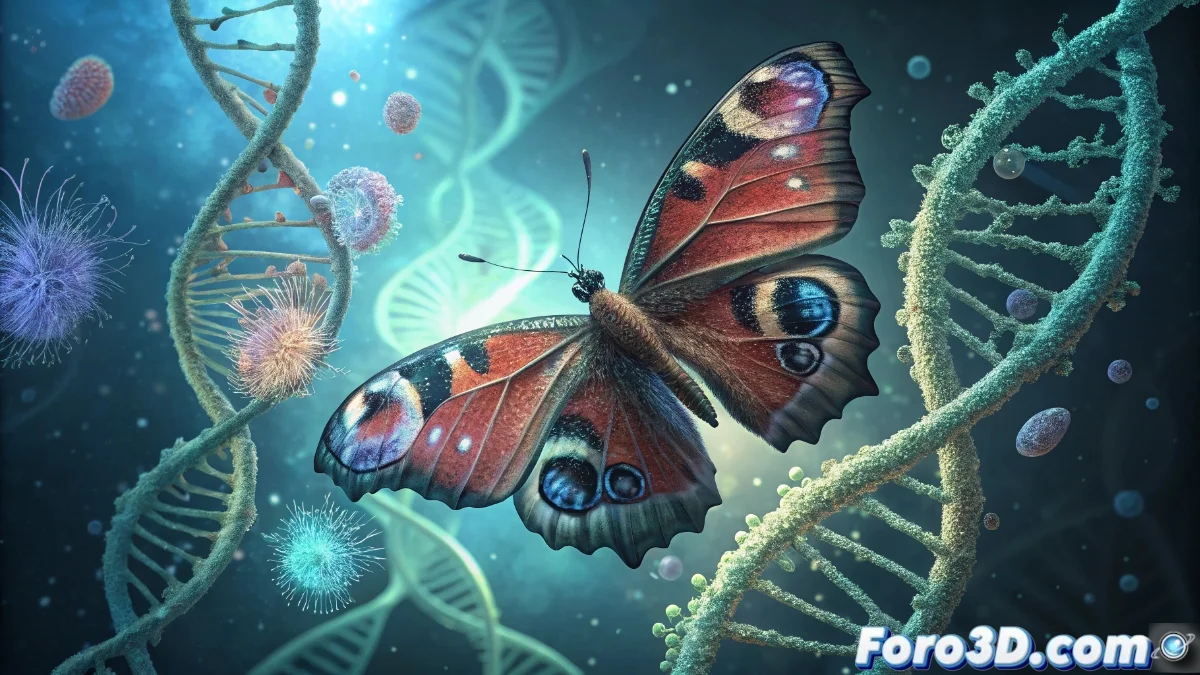
European genomic project to map all lepidopteran species
An unprecedented scientific initiative is radically transforming our understanding of the diversity of butterflies and moths in Europe through the complete genome sequencing of all continental species. This collaborative effort brings together specialists from multiple nations working to establish the first comprehensive genetic atlas of these fascinating insects 🦋
Scientific goals and conservation applications
The program not only seeks to inventory genetic variability but also to generate practical tools for safeguarding endangered species. The genomic information obtained facilitates the tracking of evolutionary trajectories, the understanding of climate adaptations, and the design of optimized protection strategies. This data repository will also constitute an essential resource for future research in population genetics and molecular ecology.
Main objectives of the project:- Exhaustive cataloging of genetic diversity in European lepidopterans
- Development of innovative tools for the conservation of threatened species
- Analysis of evolutionary patterns and environmental adaptations
Genomic data represent an unprecedented window into the evolutionary history of these organisms and their response to environmental changes
Transnational cooperation and technological challenges
Specialized research centers cooperate closely with natural history museums and academic entities to process millions of biological samples. The most significant obstacles include the harmonization of methodologies between countries, the storage of massive amounts of information, and the creation of algorithms to interpret complex genetic sequences. Operational coordination requires creative solutions in specimen handling and distributed processing.
Identified technical challenges:- Standardization of analytical protocols among different participating countries
- Management of massive volumes of genomic data and their secure storage
- Development of computational algorithms for complex sequence analysis
Impact and future prospects
This monumental project will not only establish benchmarks in biodiversity studies but also provide crucial insights into ecological resilience in the face of global change. The metaphor about needing "moths the size of helicopters" to transport the hard drives humorously underscores the colossal scale of information generated, reflecting the collective commitment to preserving Europe's natural heritage 🌍