Europe Fails to Reduce Its Dependence on Semiconductors
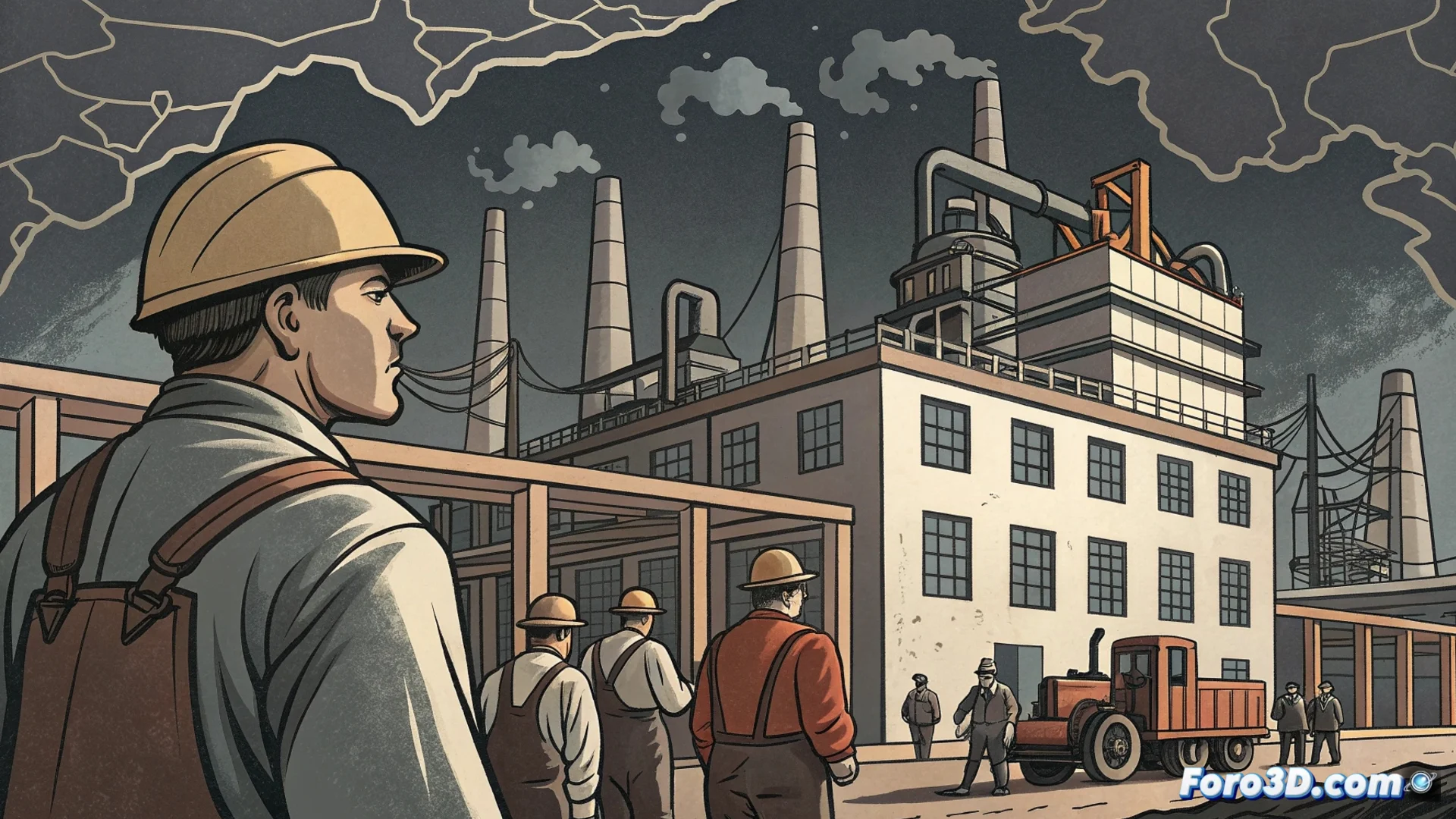
The European Union's plan to produce more chips locally and thus reduce its vulnerability to the United States and Asia is not progressing as expected. Numerous announcements of investments and factories face significant delays, while the need to import these components continues to grow relentlessly. This situation starkly contrasts with the initial goal of achieving strategic autonomy in a key sector for its industry. 🚨
Flagship Projects Stumble and Face Delays
Initiatives that were announced with great ambition, such as the joint gigafactory of STMicroelectronics and GlobalFoundries in France, encounter practical obstacles to materialize. Other industrial consortia see their timelines extended indefinitely or their funding commitments not fully met. This stagnation occurs at a time when other global players are advancing more rapidly.
Concrete examples of industrial slowdown:- The Franco-American alliance to build a semiconductor megaplant faces financing difficulties and approvals.
- Several consortia have postponed their production start dates, sometimes by several years.
- Public funds promised by member states do not arrive at the speed necessary to compete.
Europe risks falling behind in a technological race it considers fundamental to its economic and security future.
External Dependence Increases Instead of Decreasing
Statistics show a worrying reality: the EU now imports a larger share of advanced semiconductors than it did five years ago. Local production capacity is insufficient to meet the demand from its own industries, such as the automotive, telecommunications, and high-performance computing sectors. This leaves European companies exposed to geopolitical tensions and disruptions in global supply chains.
Direct consequences of this dependence:- European automakers continue to suffer chip shortages, affecting their production.
- The goal of controlling 20% of global chip production by 2030 seems increasingly unattainable.
- Supply insecurity hampers innovation and the development of new technologies within the EU.
An Uncertain Future for European Technological Sovereignty
While political leaders continue to talk about technological sovereignty, in practice production lines await equipment and investments that do not arrive. The rapid implementation of the US CHIPS Act highlights the slowness with which Europe moves its pieces. For now, a European chip made in Europe seems more like a desirable political slogan than a tangible reality in factories, raising doubts about the bloc's ability to execute its most critical industrial strategy. ⚙️