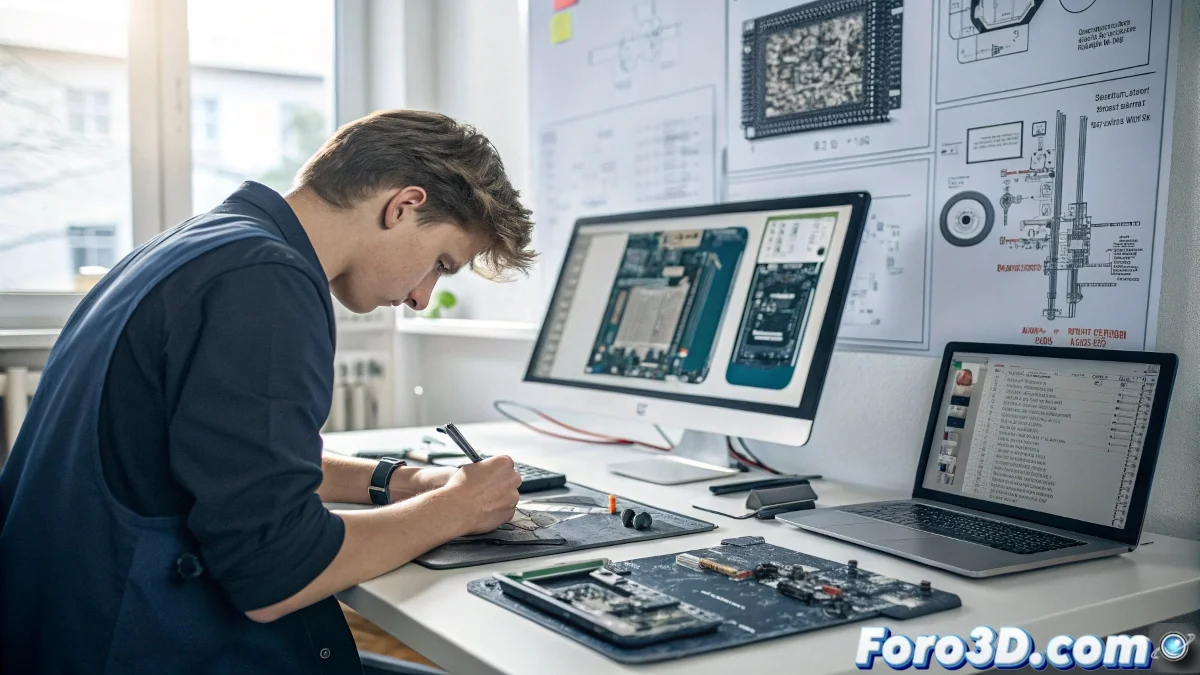
Europe Declares War on Impossible Screws
The European Union has decided to stand up to the throwaway culture that dominates the current tech world. The new European regulation aims to revolutionize the way we interact with our electronic devices, from smartphones to smart appliances. This legislative initiative seeks to empower consumers against large corporations that have turned repairs into an odyssey worthy of Ulysses. No longer will it be necessary to pay a kidney's price on the black market to replace a simple battery. 🔧
The current landscape presents a fascinating technological paradox: devices that can process millions of operations per second but become useless when a fifty-cent component fails. Manufacturers have perfected the art of creating closed ecosystems where independent repairs become an impossible mission. This new regulation aims to fundamentally change the rules of the game.
The Battle Against Planned Obsolescence
Planned obsolescence has been the tech industry's best-kept secret for decades. Designing products with a built-in expiration date had become as normalized as having coffee for breakfast. However, this new European legislation threatens to dismantle this entire commercial framework. Manufacturers will be forced to provide access to spare parts and technical documentation for longer periods, radically transforming the repair market. 💡
The environmental impact of this measure is equally significant. Millions of tons of electronic waste could be avoided if users could extend the lifespan of their devices through accessible repairs. This transformation not only benefits the environment but also creates new economic opportunities for specialized workshops and independent technicians.
Technical Challenges in the Era of Miniaturization
Modern technological complexity presents unique obstacles to repairs. Current devices integrate microscopic components soldered onto multilayer boards that require specialized equipment for handling. Additionally, the integration between hardware and software has reached levels where modifying one component can affect the entire system's operation. This situation is akin to the challenges faced by 3D professionals when working with complex geometries in software like Maya or Cinema 4D.
- Permanently soldered components that require advanced micro-soldering techniques
- Operating systems with protections that prevent third-party modifications
- Hardware-software integration that complicates partial repairs
- Proprietary tools necessary for diagnosis and calibration
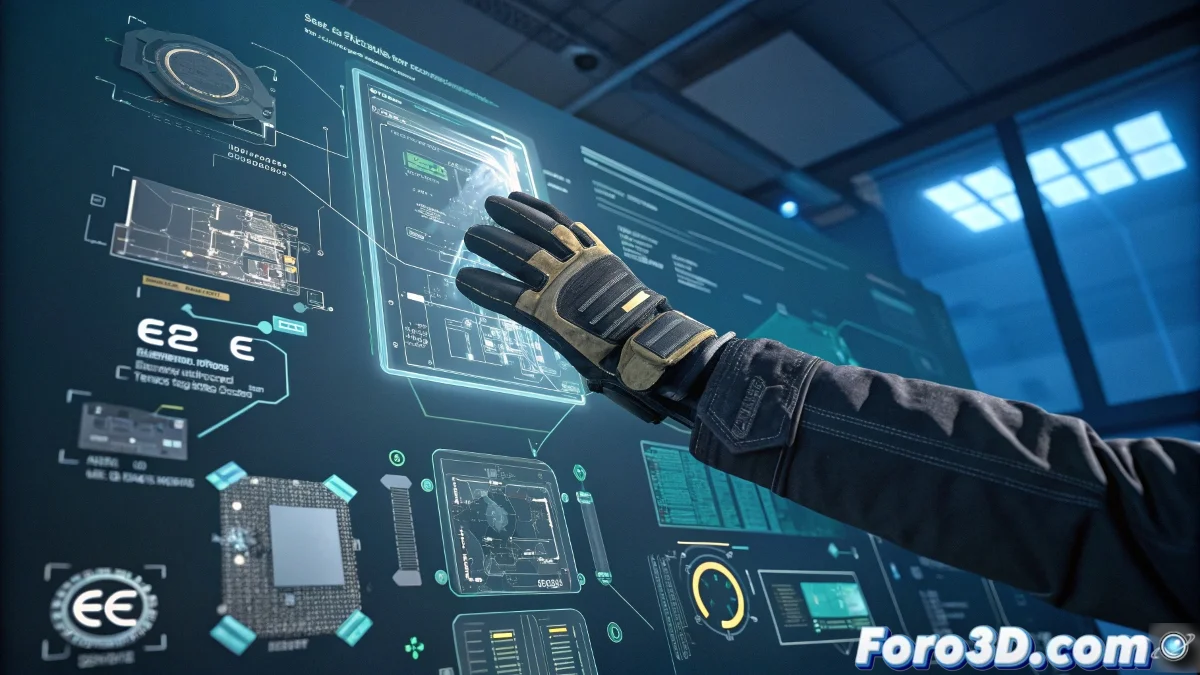
The Renaissance of Repair Workshops
This regulation promises to catalyze a renaissance of repair culture that had been relegated by technological consumerism. Independent workshops will be able to access technical manuals, circuit diagrams, and original spare parts that were previously reserved for official service centers. This democratization of technical knowledge will create a more competitive and accessible ecosystem for consumers. 🛠️
Specialized technicians will need to update their knowledge and tools to adapt to the new possibilities. Advanced diagnostic software, precision equipment for miniaturized components, and continuous training in the latest technologies will become indispensable elements for sector professionals.
True innovation does not consist solely of creating more advanced devices, but of designing products that respect both the user and the environment throughout their entire lifecycle.
Manufacturers' response to these new demands will be decisive for the initiative's success. While some embrace the change as an opportunity to differentiate themselves, others seek creative ways to maintain control over their products through software restrictions or proprietary components that limit independent repairs.
In the end, it's paradoxical that in an era where we can render photorealistic virtual worlds in real time, we still have to fight epic battles to get the instruction manual for a toaster. But hey, at least now we'll have the law on our side when the technician tells us it's cheaper to buy a new one. 🎭