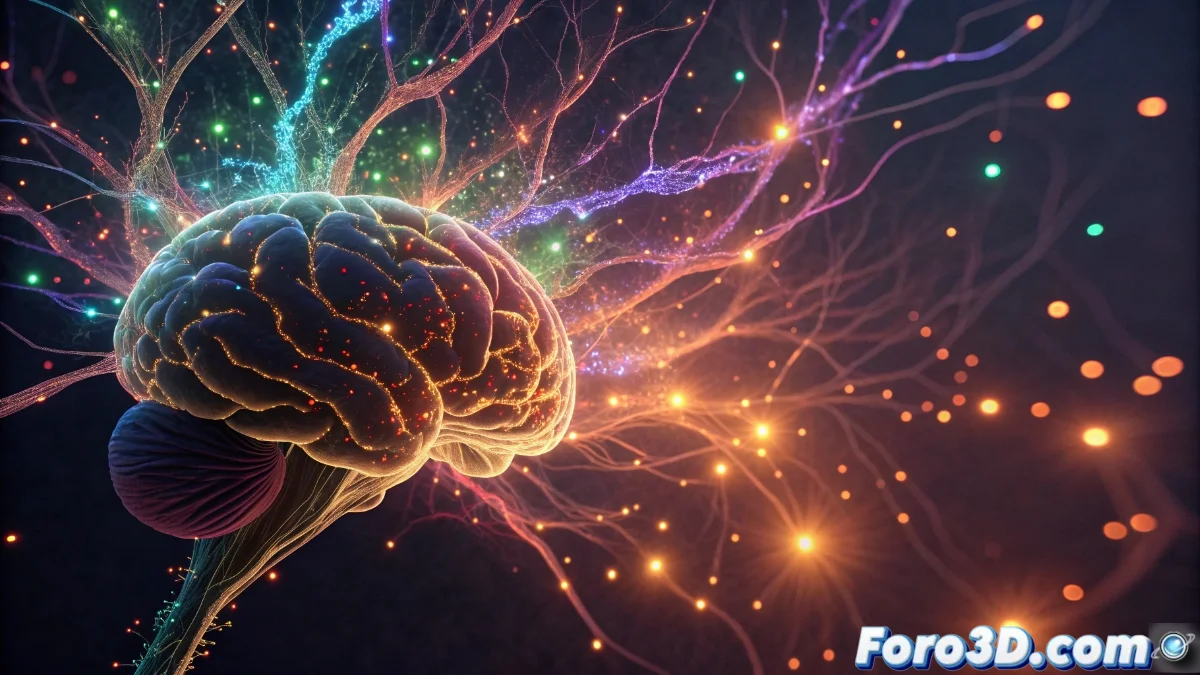
Euphoria and Its Neurochemical Basis in the Human Brain
Euphoria represents one of the most intense emotional states we experience, resulting from complex neurochemical processes that activate our brain's reward system. This fundamental biological response transforms pleasurable experiences into a genuine storm of positive sensations that determine our behavior and motivation 🧠.
Neurochemical Mechanisms Behind Euphoria
The brain's reward system is activated through the release of key neurotransmitters such as dopamine, which floods specific areas like the nucleus accumbens and the prefrontal cortex. This chemical cascade does not operate in isolation, but interacts with other messengers like endorphins and serotonin, creating a dynamic balance that can be compromised in various neurological disorders.
Key Elements in the Euphoric Experience:- Dopamine as the main neurotransmitter in the sensation of pleasure and reward
- The involvement of the nucleus accumbens as the center for processing gratifying experiences
- The modulation exerted by the prefrontal cortex on the intensity and duration of the emotional response
The next time you experience that rush of joy, remember it's not magic, it's your brain working intensely with its chemicals, like a hyperactive barista preparing emotional coffee at maximum speed.
Factors Influencing the Euphoric Response
The way each person experiences euphoria is determined by multiple variables that include individual genetics, environmental context, and previous experiences. Situations such as listening to music that moves us, achieving important goals, or even the consumption of certain substances can trigger variable responses, evidencing the complexity of the brain circuits involved.
Main Modulators of the Emotional Experience:- Genetic factors that predispose to more intense or moderate responses
- The environment and social context surrounding the experience
- Previous experiences and their impact on brain configuration
Implications for Mental and Neurological Health
Understanding these brain mechanisms is fundamental for addressing conditions like addiction or depression, where emotional regulation is significantly altered. The study of euphoria allows us to develop more effective interventions for disorders where the reward system presents dysfunctions, opening new perspectives in the treatment of emotional imbalances 🧪.