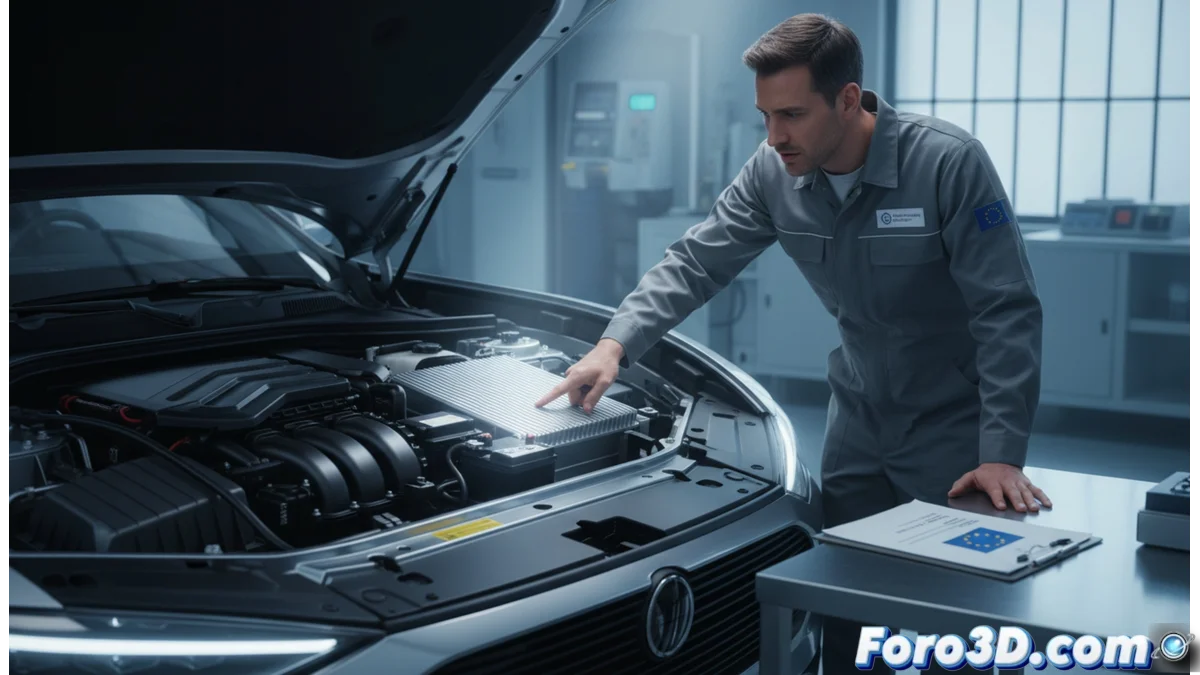
EU Fines Manufacturers for Using Lead Batteries in Electric Cars
The European Union has begun to impose economic sanctions on automobile manufacturers that equip their electric vehicles with a 12-volt lead-acid auxiliary battery. This decision is framed within the Euro 7 regulations, which aim to reduce polluting emissions throughout the vehicle's entire life cycle. The use of the traditional starter battery, intended for low-consumption systems, is considered a contradiction to the zero emissions principle promoted by electric vehicles. 🚫⚡
Fines to Drive Technical Innovation
The regulation forces manufacturers to seek technical alternatives immediately. Options include adopting 12-volt lithium batteries or integrating starting and backup functions directly into the main high-voltage battery pack. The ultimate goal is to completely eliminate lead, a material harmful to the environment. Companies that do not adapt their designs face fines that can harm their position in the European market.
Key Challenges of the Redesign:- Ensure safety and reliability of the power supply without the traditional lead battery.
- Manage energy more efficiently to power computers, lighting, and safety systems with the vehicle turned off.
- Review and modify the entire electrical architecture of the automobile.
This technical change poses a challenge for engineers, who must ensure the safety and reliability of the power supply without the traditional backup battery.
A Profound Change for the Industry
This EU mandate forces the automotive industry to redesign its basic electrical systems. The transition is not just a component change, but a reengineering that affects how low-voltage energy is distributed and managed in the vehicle. The reliability of the new systems is critical, especially for functions that must remain active when the car is not in use.
Consequences of the Change:- Manufacturers must invest in R&D to implement alternative solutions.
- The supply chain is redefined, moving away from lead-acid.
- Safety protocols and energy management systems (BMS) must evolve.
The End of an Iconic Sound
This technical advancement also marks the end of an auditory era. Some drivers will remember the characteristic click-click of a combustion engine that won't start due to a discharged auxiliary battery. In the future of the electric car, silence will be absolute: neither the noise of the main combustion engine will exist, nor the sound of a lead battery trying to start it. 🔇 The future is electric and doubly silent.