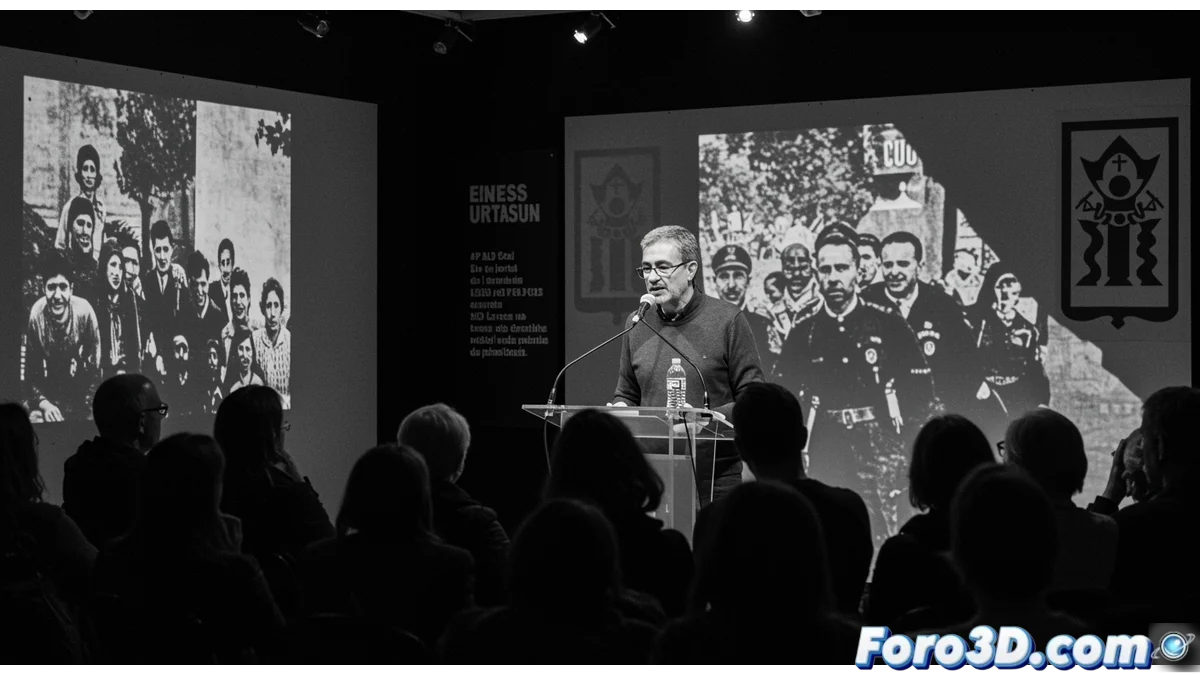
Ernest Urtasun Inaugurates Exhibition on No-Do and Francoism Propaganda
Imagine immersing yourself in the echoes of the past, where the image became a weapon of control, and now, Ernest Urtasun, as Minister of Culture, opens the doors to a deep reflection on it. This exhibition, titled "NO-DO. The world of yesterday. Image and propaganda of Francoism", not only revives history but invites everyone to question how yesterday shapes our democratic today. During the event, Urtasun emphasized that building a solid democracy requires patience and time, connecting this with the idea of expanding the exhibition into educational tools, such as resources for classrooms and training for teachers, so that it becomes a key piece of a comprehensive cultural strategy. 😮
Ideas to Expand the Impact of the Exhibition
To elevate this initiative to another level, it is essential to outline a detailed plan that incorporates verifiable evidence and concrete actions in the field of democratic memory. Think of projects like the digitization of historical archives, the meticulous restoration of audiovisual materials, and the increased public access to forgotten cultural treasures. In this way, the exhibition transcends being a simple homage to the past and transforms into an active pillar of citizen education, promoting a living dialogue between history and everyday reality, ensuring that every visitor leaves with a renewed perspective. This is not just commemorating, but building a bridge to the future.
Descriptive list of key proposals:- Implement digitization programs to preserve and make NO-DO archives accessible, allowing researchers and the general public to explore original content without damaging it.
- Develop restoration processes for Francoism audiovisual materials, ensuring historical integrity is maintained while adapting to modern technologies.
- Expand public access to cultural funds through online platforms and community events, fostering inclusive and educational participation in historical propaganda topics.
Democracy demands time and patience, but also tools that turn history into a living lesson, not a distant echo.
The Importance of Memory in Today's Culture
In a world where preserving historical memory is vital to avoid repetitions, this exhibition acts as an impetus for broader projects, such as local workshops or alliances with schools. This places Francoism under a critical and approachable lens, helping to weave a historical narrative that includes everyone and prevents these events from being reduced to mere formalities. By linking these aspects, a real commitment to the past is reinforced, transforming what was a mechanism of control into an opportunity for interactive and reflective learning. 😕
Another descriptive list of key elements:- Organize community workshops that analyze Francoist propaganda, fostering debates and creating spaces to share personal experiences related to recent history.
- Collaborate with educational institutions to integrate the exhibition into curricula, offering training that equips teachers with resources to discuss sensitive topics effectively.
- Promote initiatives that connect history with current society, such as traveling exhibitions or digital events, to keep the dialogue alive and prevent memory from fading over time.
Final Reflections on This Initiative
In closing this analysis, while Urtasun insists that democracy is a slow process, I can't help but smile ironically at the thought of how an exhibition on Francoism propaganda could benefit from its own educational whitewashing, turning an old instrument of manipulation into an interactive experience. Who knows if this won't lead visitors to question whether history, with its modern touch of cultural bureaucracy, is repeating patterns? In essence, this exhibition is a living reminder that memory is not static, but a tool to forge a more conscious and inclusive future. 🚀