Epileptic by David B: an autobiographical comic that transforms pain into art
The graphic novel Epileptic by French author David B. stands as a fundamental pillar within the autobiographical comic genre. Through its pages, the artist narrates in a raw and uncompromising way how his older brother's illness, epilepsy, completely alters the dynamics and life of his family. The book not only documents facts, but delves into the emotional impact and how the act of drawing served as an escape route and tool to process an overwhelming reality. 🎨
A visual language that expresses the ineffable
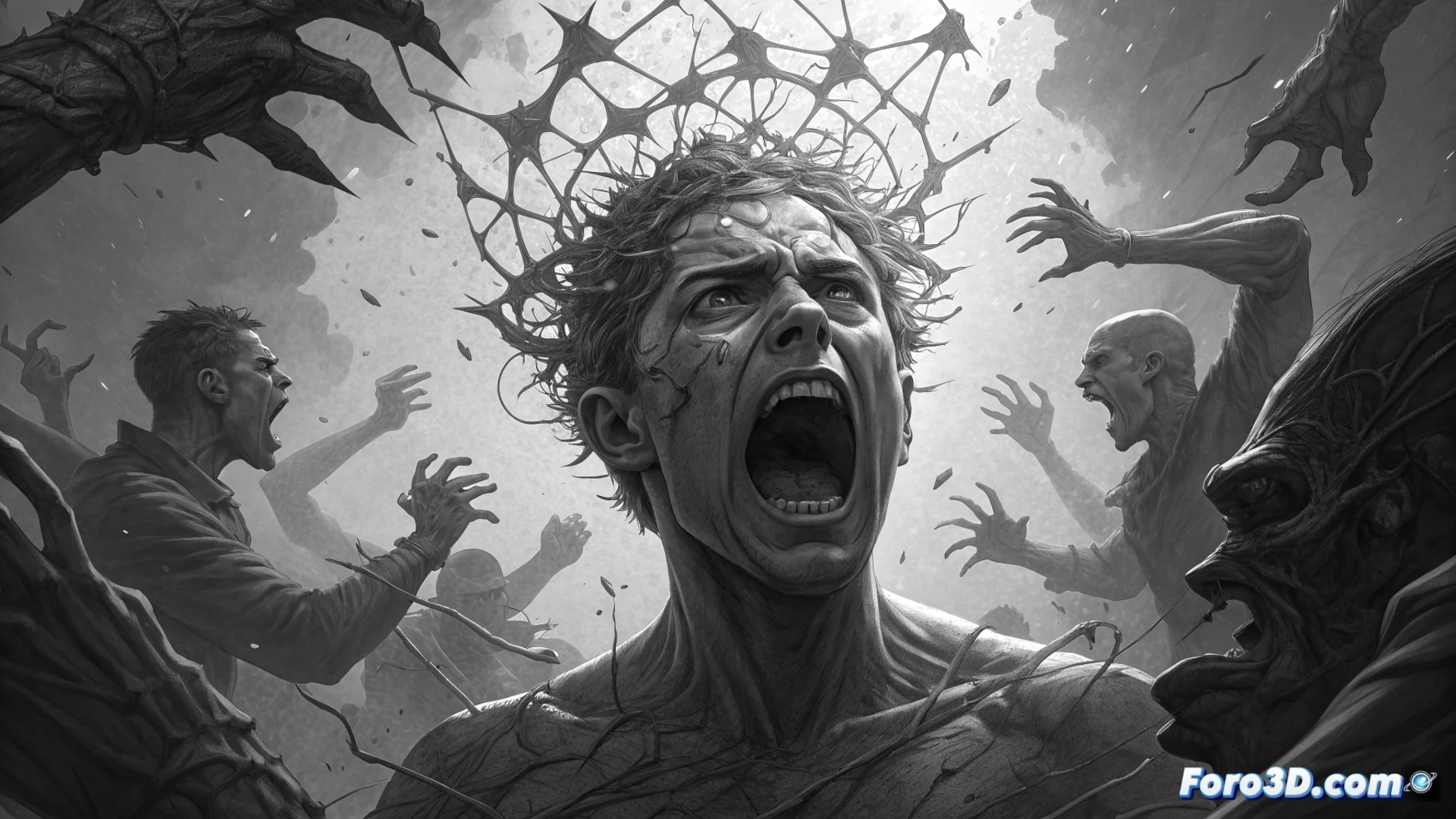
David B. renounces color and opts for a black and white with extremely marked contrasts. This aesthetic choice does not seek to represent reality literally, but to express complex sensations and emotions. Epileptic seizures, anguish, and fear are not drawn as they are, but metamorphose into threatening monsters, epic battles, and intricate geometric figures. Thus, the author constructs a unique and powerful visual language to communicate what words often cannot capture.
Key elements of his graphic style:- Radical contrast: Uses pure black and white to create an intense and dramatic atmosphere.
- Visual metaphors: Transforms pain and illness into monstrous entities and symbolic scenes.
- Dynamic composition: The pages flow with an energy that reflects internal chaos and the search for order.
Drawing chaos seems to be the definitive way to order it.
From personal experience to universal reflection
Although the story arises from an intimate and family experience, Epileptic manages to transcend mere testimony. The work addresses themes that resonate on a broader level: how a serious illness redefines roles within a home, the desperation that leads to seeking solutions anywhere, and the cathartic power of artistic creation. It thus becomes a profound graphic reflection on fragility, resilience, and the mechanisms we use to face the incomprehensible.
Universal themes explored by the work:- Alteration of family dynamics: Shows how illness changes expectations and relationships.
- The search for a cure: Depicts the journey, sometimes into marginal territories, in search of a solution.
- Art as a processor: Illustrates how imagination and drawing can digest and shape a difficult reality.
A serene paradox
It is revealing that a narrative addressing convulsions, internal monsters, and family anguish can offer the reader a final sense of serenity and contemplation. This paradoxical effect underscores the comic's central thesis: the creative act, in this case drawing, has a unique capacity to tame chaos, give it tangible form, and ultimately find a type of order and peace within the turmoil. David B. not only tells his story; he transforms it into art, allowing others to perceive and reflect on pain through the power of his stroke. ✒️