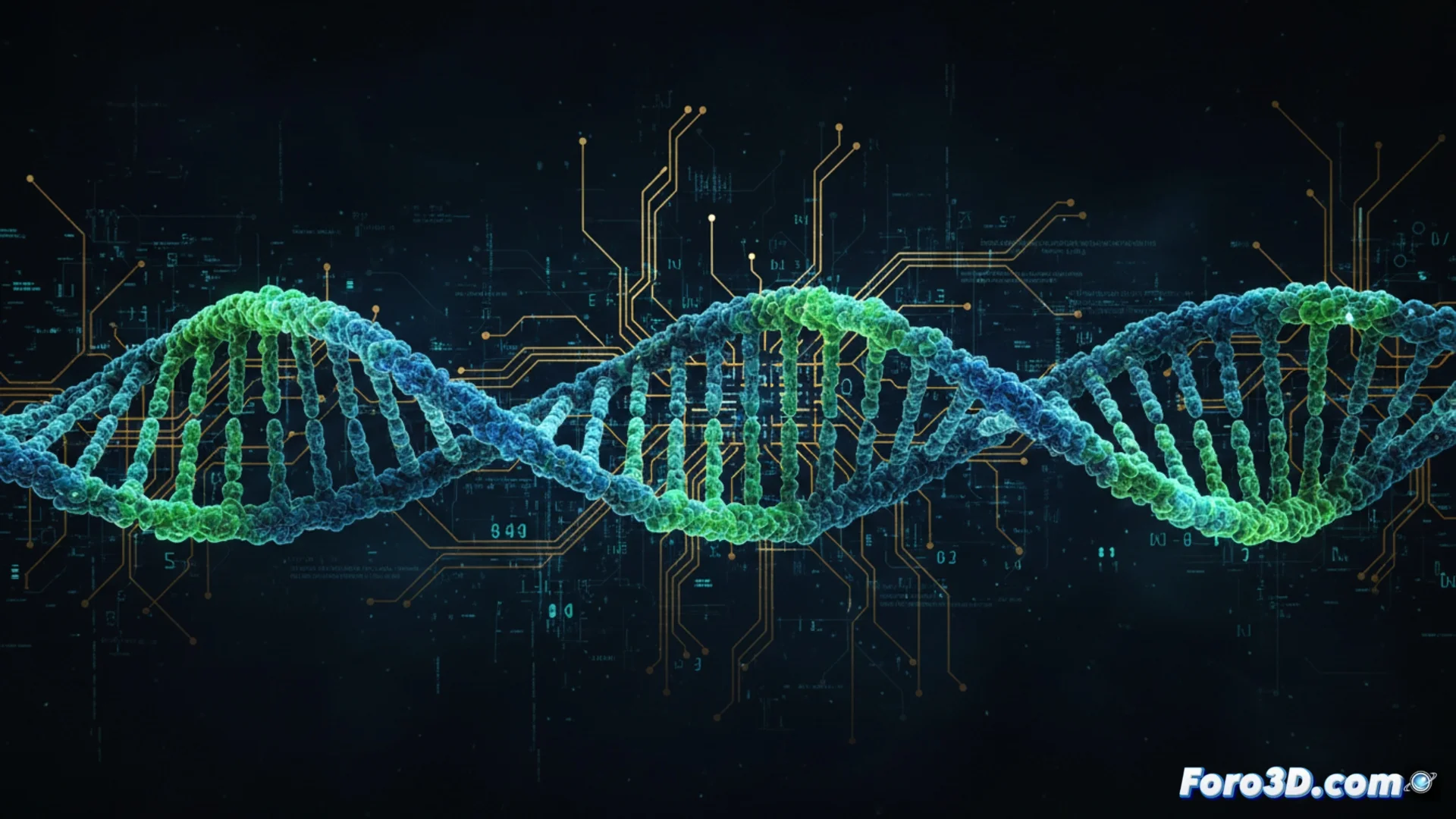
Epigenetic Clocks and AI Redefine How to Measure Aging
Biological clocks estimate an organism's age by analyzing chemical changes in its DNA, such as methylation. However, these epigenetic indicators do not always align with the time a person has actually lived. Factors like habits, pathologies, or stress levels can alter their rhythm, making the biological age differ from the chronological age. 🔬
The Limitation of Traditional Epigenetic Markers
These systems calculate age from epigenetic markers that accumulate over time. The problem lies in the fact that this process is not uniform for everyone. Therefore, the figure they provide may not accurately reflect an individual's real aging state, showing a significant discrepancy.
Factors Influencing the Discrepancy:- Lifestyle: Diet, exercise, or substance consumption can accelerate or slow down epigenetic changes.
- Health Status: Suffering from certain diseases can leave a deeper mark on these markers.
- Psychological and Environmental Stress: Prolonged exposure to stressful situations modifies the speed of the biological clock.
The combination of epigenetics and artificial intelligence opens a path to quantify health more objectively than simply counting years.
The Role of Artificial Intelligence to Achieve Precision
Artificial intelligence, and especially machine learning, emerges as a key solution. These algorithms have the ability to process massive volumes of biomedical information, from complete genomes to extensive clinical records. 🤖
Advantages of AI Analysis:- Integrate Multiple Sources: It is not limited to a few markers, but crosses genomic, clinical, and lifestyle data.
- Identify Complex Patterns: It detects correlations and trends that escape traditional human analysis.
- Create Personalized Models: It allows building aging estimates adapted to each person's uniqueness, increasing reliability.
Towards a Future of Prediction and Personalized Medicine
The ultimate goal goes beyond simple diagnosis. The aim is to develop predictive tools that anticipate the aging trajectory and assess the risk of a person developing age-associated diseases. In clinical practice, this would facilitate designing preventive interventions and fully personalized treatments. The future could transform the question "How old are you?" into an algorithm-generated report, making traditional methods for measuring time seem obsolete. ⏳