Imagine a future where the batteries we use in our electronic devices are not only cleaner but also completely natural. This could be possible thanks to a group of researchers who have developed a new energy source based on mushrooms. Instead of using harmful chemicals, this technology harnesses the natural processes of mushrooms to generate electricity.
How does this technology work?
The system works with two types of mushrooms: one at the anode, which releases electrons, and another at the cathode, which captures and conducts them. The idea is as simple as it is innovative, and the best part is that it is completely biodegradable and non-toxic, meaning it does not pollute the environment like traditional batteries do.
System Advantages
- Biodegradable: Does not pollute the environment.
- Non-toxic: Unlike traditional batteries, which contain hazardous materials.
- Renewable: The system uses a natural resource, mushrooms, which can be cultivated sustainably.
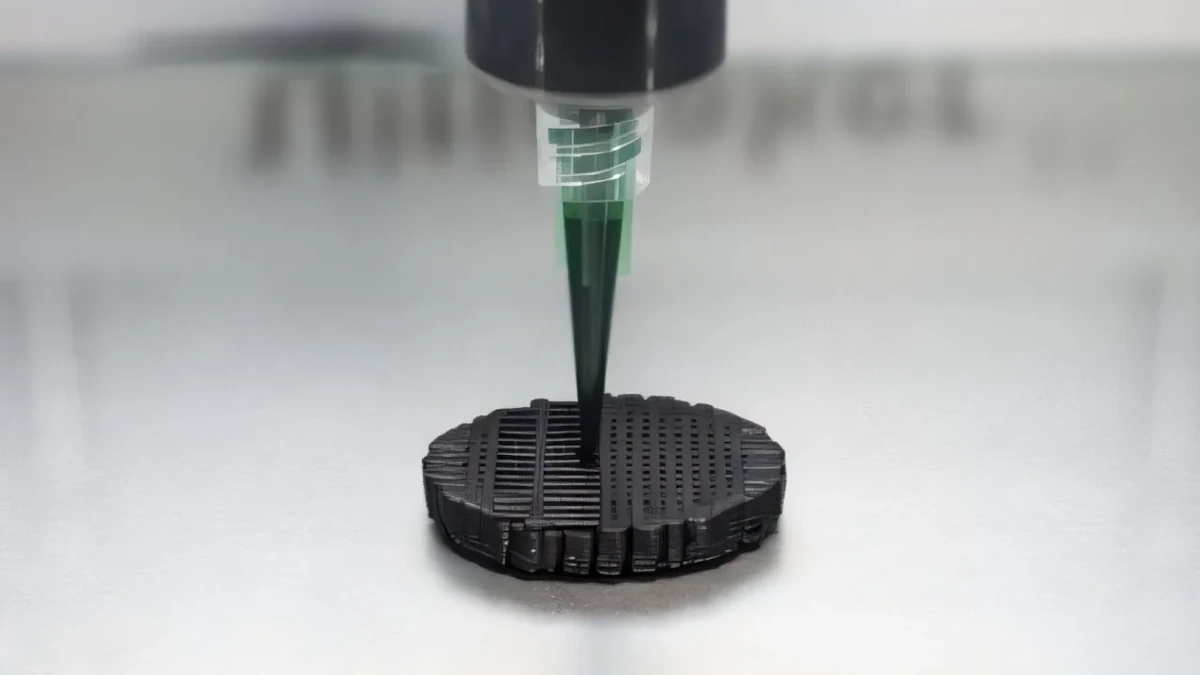
- 3D Printing: The system's components are created using 3D printing, allowing for precise and efficient manufacturing.
Potential Applications
But this isn't just theory. The researchers have used 3D printers to create the structures that allow these mushrooms to generate electricity efficiently. Furthermore, these natural "batteries" can remain dormant until you need them, simply by adding water and nutrients to activate them.
The interesting part is that this technology could have applications in areas such as:
- Agriculture: Sensors that monitor soil or plant conditions.
- Environment: Monitoring environmental conditions in remote areas.
A Sustainable Future
“The potential of mushrooms as a renewable and eco-friendly energy source is enormous. This advance could be just the beginning of a new era where green technologies dominate the world.” - Empa Researchers.
It's just the beginning, but advances in this field show the potential of mushrooms as a renewable and eco-friendly energy source. In the future, they could become a real alternative for the technology we use daily, allowing us to reduce our carbon footprint while continuing to develop more efficient and sustainable devices.