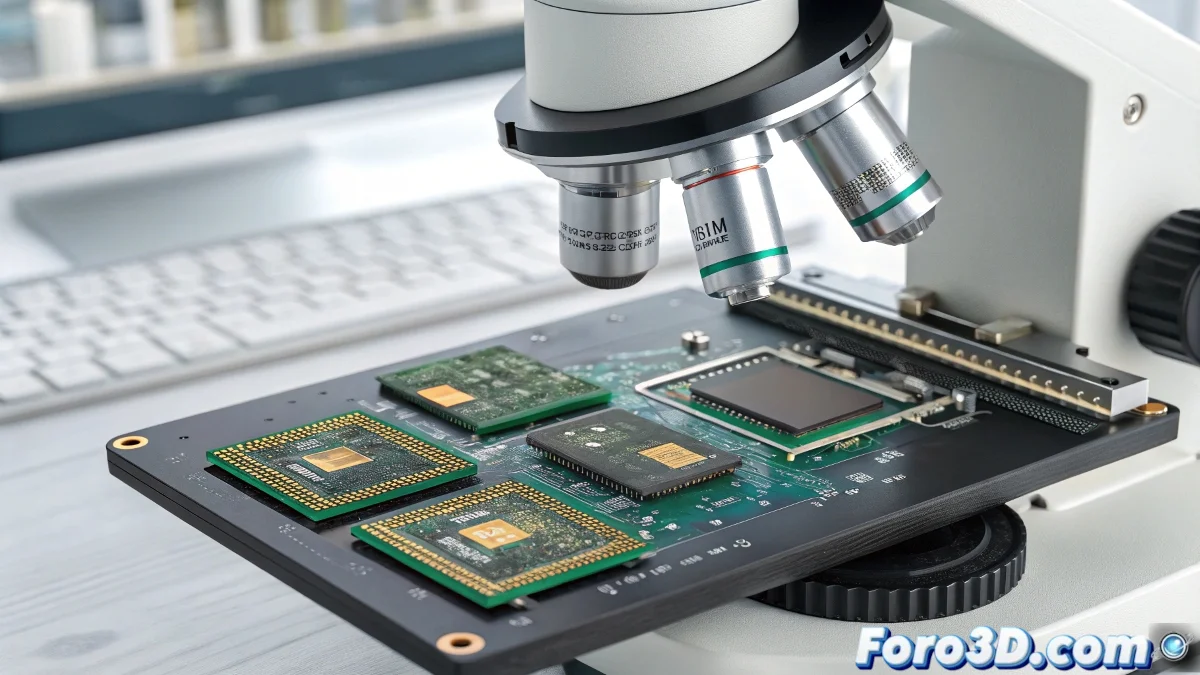
Hiding the Digital Key... Inside the Lock Itself! 🔐
Seoul National University has revolutionized cybersecurity with a brilliant concept: using the natural imperfections of flash memory to store encryption keys. The system, called Concealable PUF, turns tiny manufacturing variations into unique digital fingerprints, as if each chip had its own security DNA.
The Trick Lies in the Imperfections
While traditional methods require specialized hardware, this solution leverages an existing process in 3D NAND memory called GIDL erase:
- Creates unique and impossible-to-clone patterns
- Allows the key to be hidden and revealed when needed
- Requires no hardware modifications
Extreme Testing: Neither Hackers Nor AI Can Break It
The team subjected the system to rigorous tests:
- Temperatures from -40°C to 125°C
- Over 10 million read operations
- Artificial intelligence attacks
"The AIs had about as much chance of guessing the key as winning the lottery... without buying a ticket," joked one of the researchers.
What Does This Mean for 3D Artists and Technicians?
This technology could revolutionize:
- Security in distributed render farms
- Protection of project files on drives
- Licenses integrated into storage
So now you know: the next time your flash memory fails, maybe it's just protecting your secrets... a little too well!