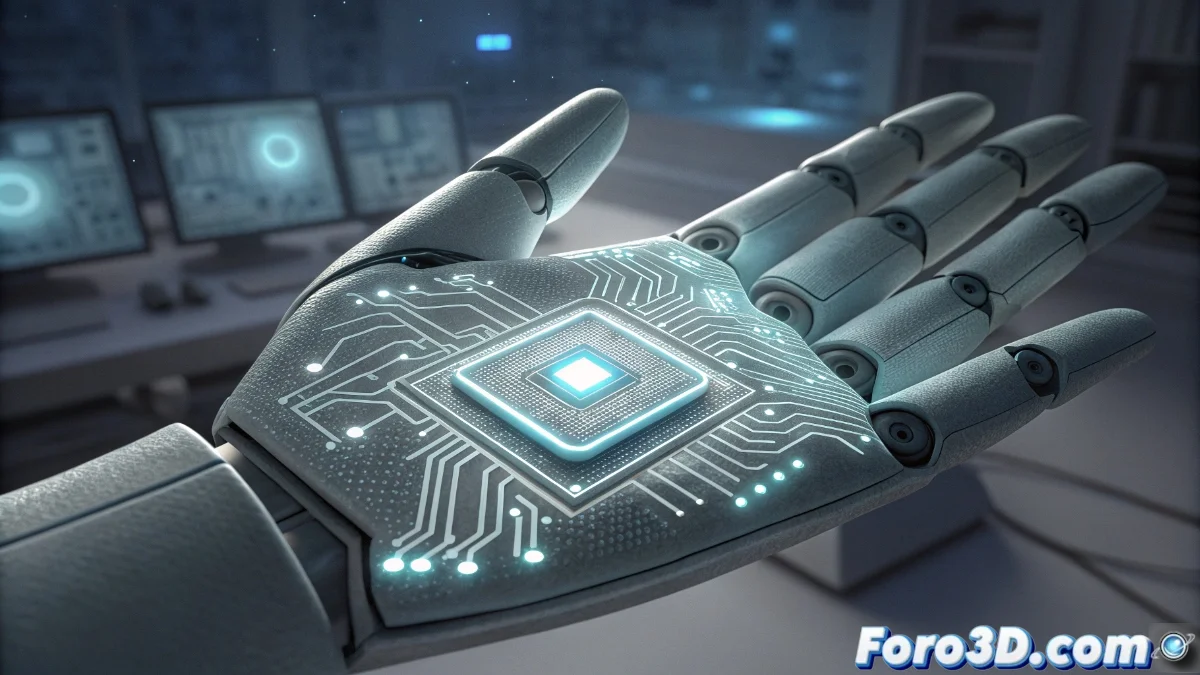
Electronic Skin: Revolution in Robotics and Medical Prosthetics
The electronic skin represents an unprecedented technological advancement that is radically transforming the fields of advanced robotics and next-generation medical prosthetics. This innovation enables artificial devices to detect and process tactile sensations with a precision that remarkably approaches human sensory capacity. 🦾
Transformative Applications in Medical Prosthetics
In the sector of smart prosthetics, the implementation of electronic skin has meant a paradigm shift in the user experience. Patients can now perceive tactile information in real time, which translates into substantial improvements in their manipulation and motor control capabilities.
Main features of prosthetics with electronic skin:- Immediate haptic feedback that allows feeling pressure when manipulating objects
- Direct integration with the nervous system through advanced neural interfaces
- Higher sensory resolution and significant reduction in response times
The intuitive connection between the prosthetic and the user marks a before and after in patient rehabilitation and quality of life.
Advances in Collaborative Robotics and Safety
Collaborative robotics experiences extraordinary improvements thanks to the incorporation of electronic skin systems. These developments are particularly valuable in environments where there is direct interaction between human operators and automated systems.
Critical applications in robotic environments:- Precise measurement of forces applied during industrial manipulation tasks
- Advanced protection to prevent damage to fragile materials and avoid personal injuries
- Implementation in high-precision medical procedures such as robotic surgeries
Future and Current Limitations
Although electronic skin technology promises a future where robotic systems could surpass human tactile sensitivity in certain aspects, significant limitations still exist. The ability to discern complex textures or appreciate subtle nuances such as the quality of organic materials remains a technical challenge to be resolved. However, continuous advances in flexible conductive materials and processing algorithms point to a promising path toward increasingly sophisticated artificial sensory systems. 🔬