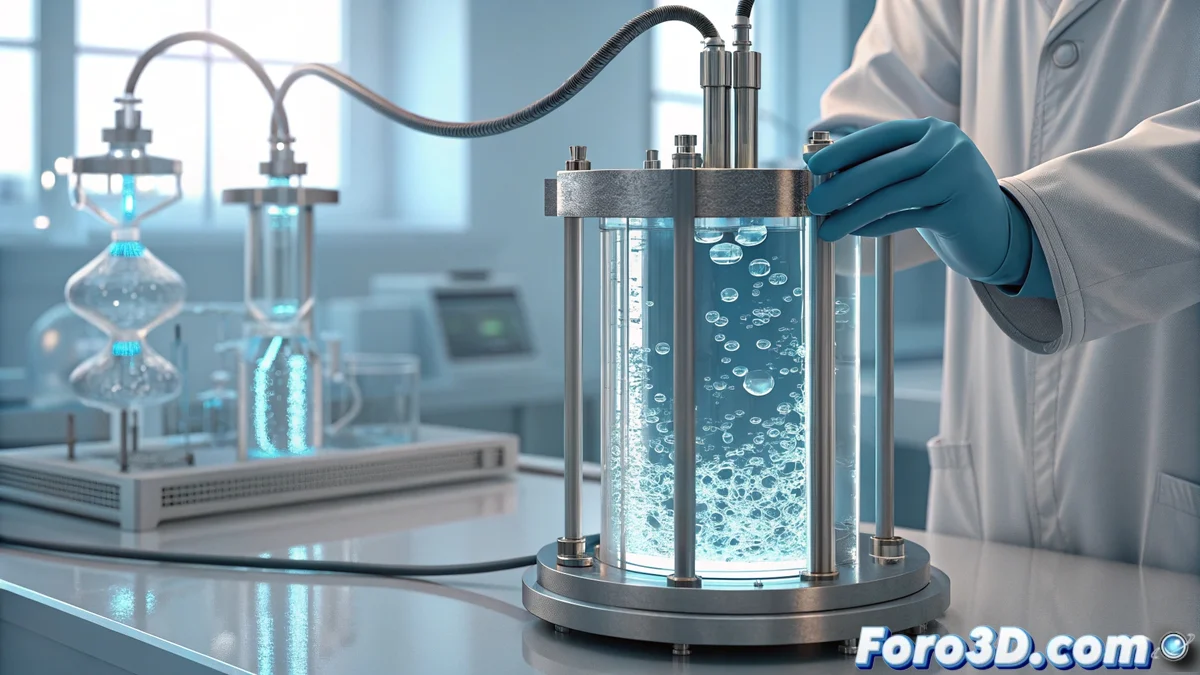
Electrolysis Cleans Water of Industrial Pollutants
A scientific team from ETH Zurich has devised an innovative process that uses electricity to break down persistent organic compounds in water. This technique focuses on solving a critical problem: treating industrial effluents that conventional systems cannot effectively purify. ⚡
An Advanced and Selective Oxidation Process
The system works through electrolysis, using a specialized electrode that produces hydroxyl radicals. These agents are extremely reactive and attack the chemical bonds of pollutants, fragmenting them progressively. The end result is simple and safe molecules, mainly carbon dioxide and water, along with some mineral ions.
Key Advantages of the Electrochemical Method:- No Hazardous Waste Generated: Unlike other chemical treatments, it avoids producing toxic sludge or harmful byproducts.
- High Selectivity: Hydroxyl radicals preferentially attack complex organic pollutants.
- Clean Process: The only main "raw material" is electrical energy, without the need to add large amounts of reagents.
The solution to a complex chemical problem doesn't require a secret formula, just plugging the device into the power source.
Integration into Existing Infrastructure
The researchers are designing this technology to function as a polishing or post-treatment stage in already operational wastewater treatment plants. The goal is to create a process that is energy efficient and, above all, scalable at an industrial level.
Current Phases and Next Development Steps:- Tests with Real Effluents: They are already evaluating the system with wastewater from the chemical and pharmaceutical sectors.
- Optimize Electrode Materials: The next challenge is to improve the durability and performance of the electrodes to reduce the total operating cost.
- Seek Maximum Efficiency: Adjust parameters such as voltage, treatment time, and reactor design to minimize energy consumption.
A Cleaner Future for Industrial Water
This breakthrough from ETH Zurich represents a promising pathway for managing some of the industry's most stubborn pollutants. By transforming dangerous molecules into harmless substances using electricity, it opens the door to treating wastewater in a more sustainable and effective way. The idea is so straightforward that it is revolutionary. 💧