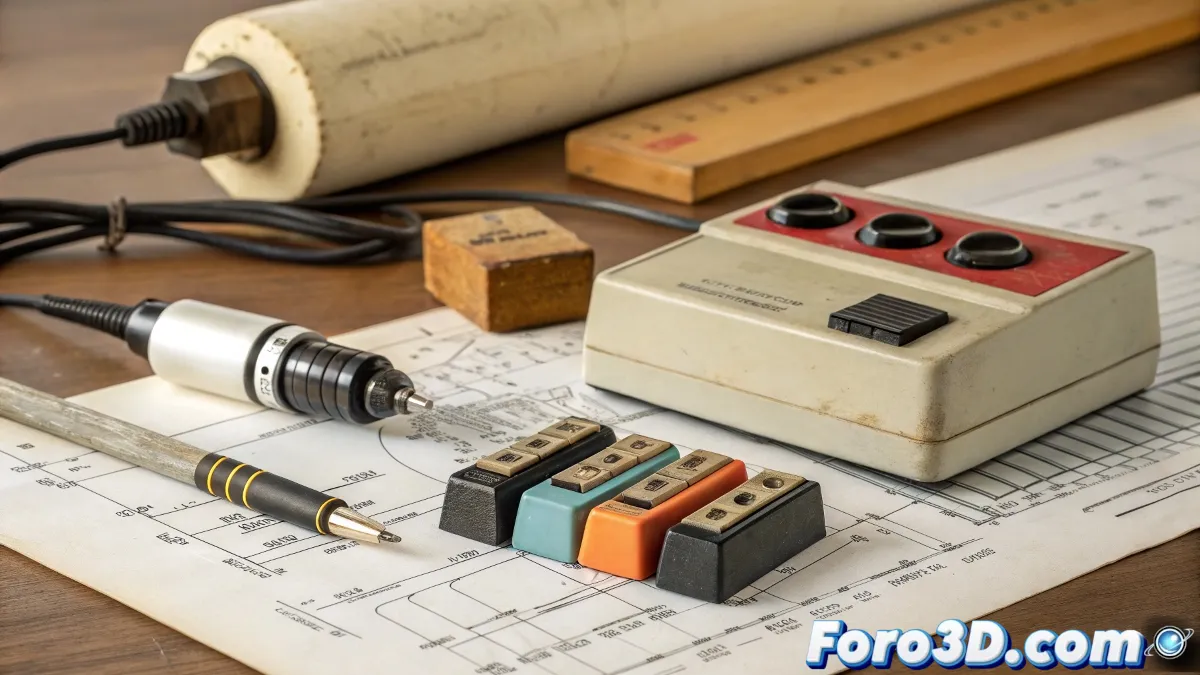
The Electric Revolution in Correction Tools
During the first half of the 20th century, the electrification of everyday objects reached even the most unsuspected items. Among these was the eraser, which underwent a radical transformation by incorporating electric motors. This development responded to the specific needs of professionals who required greater precision and efficiency in their daily work.
Precision and Efficiency in Erasing
Before the appearance of electric erasers, technicians and artists faced considerable challenges when correcting their work. The manual process involved not only time but also the risk of damaging the support. Technical documents and architectural blueprints required special care, as an incorrect erasure could mean hours of lost work.
The electrification of the eraser represented a qualitative leap in the precision of technical and artistic work
From Bread Crumbs to Electric Technology
The evolution of correction methods shows an interesting trajectory:
- 18th Century: discovery of the properties of natural rubber
- 19th Century: development of vulcanized rubber by Goodyear
- 1920s: first electric prototypes
- 1930s: large-scale commercialization
Each stage responded to the technical limitations of its time and the growing demands of professionals.
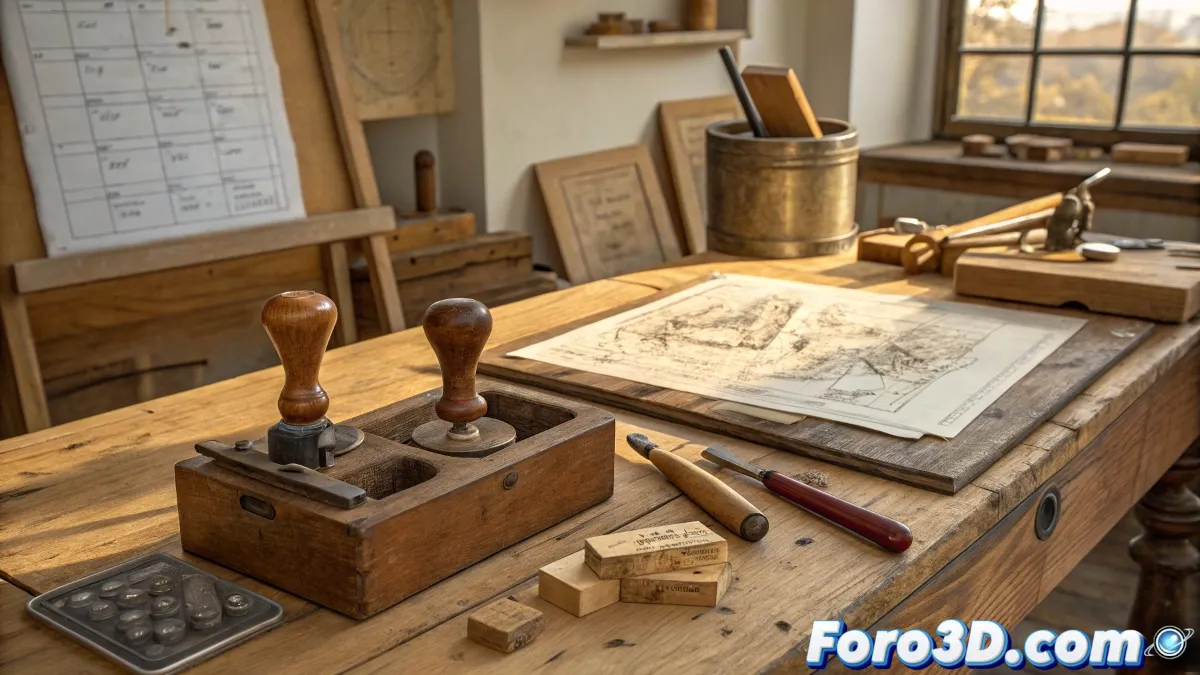
Key Professional Applications
Electric erasers found their main niche in three professional fields:
- Technical and architectural drawing
- Document management in libraries
- Document production in large offices
Their ability to perform clean and localized corrections made them indispensable in environments where precision was fundamental.
The Decline of a Specialized Technology
With the arrival of digital systems, electric erasers lost their central place in creative processes. However, their influence persists in modern graphic design tools, where the erasing function maintains similar principles of precision and control. This historical journey shows how even the most specialized solutions can leave a mark on subsequent technological development.