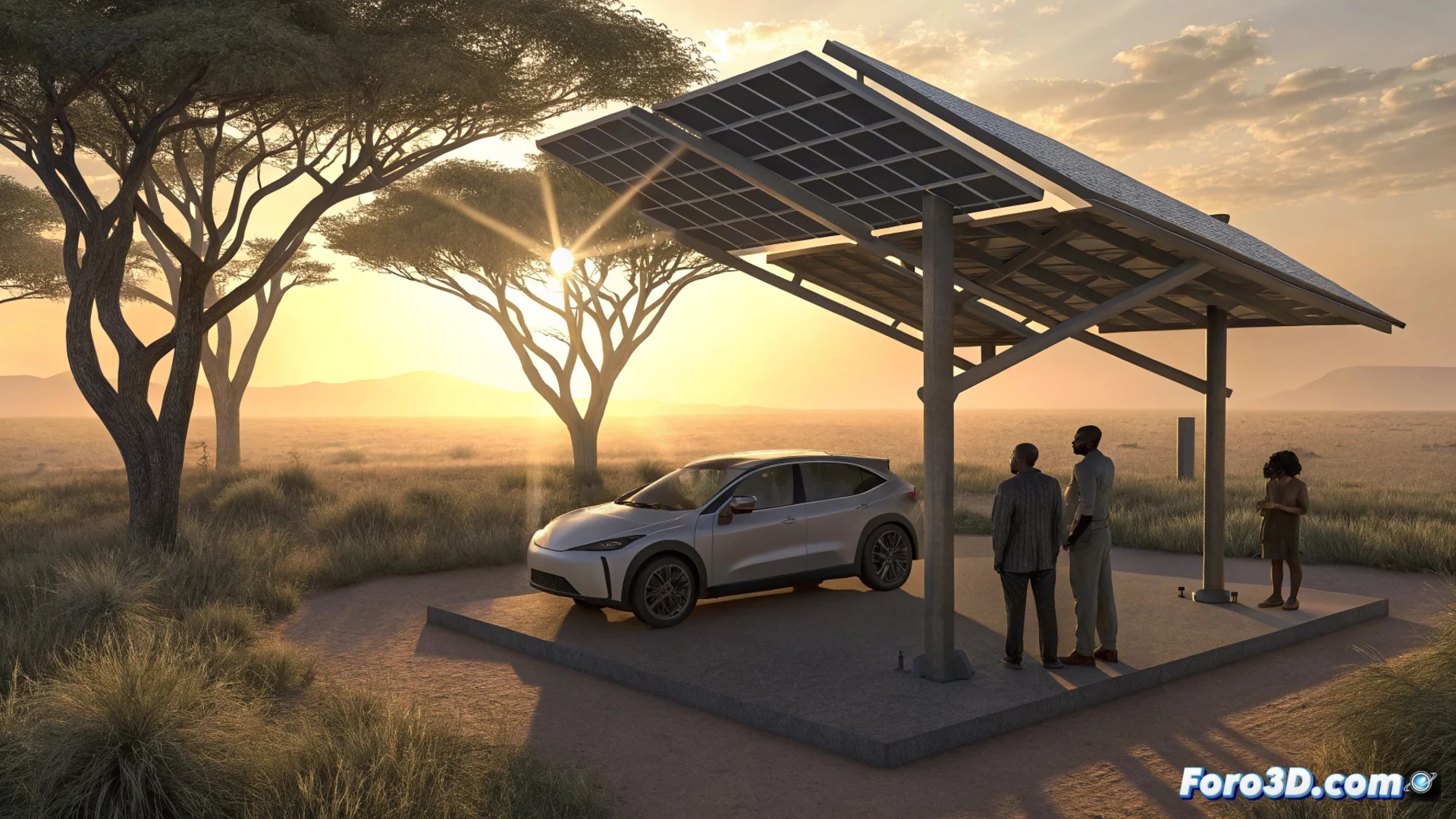
Electric vehicles can compete in Africa before 2040
A joint study by ETH Zurich and the Paul Scherrer Institute PSI, together with African institutions, indicates that electric mobility can achieve economic parity with combustion vehicles in numerous African nations in the next two decades. The decisive factor will be building a charging network that operates on solar energy and functions independently of the main power grid. 🌍
Autonomous solar infrastructure is fundamental
The success of electric vehicles on the continent is directly linked to utilizing its vast solar energy potential. For them to be a viable alternative, it is crucial to install charging points that are directly powered by photovoltaic panels, without needing a national grid that is scarce or unreliable in wide areas. This method not only relieves the burden on current infrastructures but can also drive the transformation of the transportation sector.
Key advantages of the decentralized solar approach:- Reduces dependence on unstable national power grids.
- Leverages an abundant and renewable natural resource.
- Allows accelerating the adoption of clean vehicles without overloading existing systems.
The competitiveness of electric mobility in Africa depends on connecting vehicles to off-grid solar systems.
Economic projection toward parity
The scientists analyzed the total cost of ownership to compare electric and combustion vehicles in various African contexts. The findings reveal that, even with current prices, some countries already achieve cost parity. The trend indicates that this competitiveness will expand in the next twenty years, driven by the continuous decline in battery and solar technology prices. Collaborating with local experts was essential to adapt the models to each market's reality.
Factors driving the change:- Continuous cost reduction of lithium-ion batteries.
- Reduction in photovoltaic energy generation costs.
- Customized analysis considering each region's specificities.
The path toward sustainable transportation
Overcoming the energy challenge is the main step. Once resolved, solar electric mobility can transform transportation in Africa, offering an economical and clean alternative. The study emphasizes that the time to plan and invest in this specific infrastructure is now, to capture the opportunity presented by the next decade. 🔋