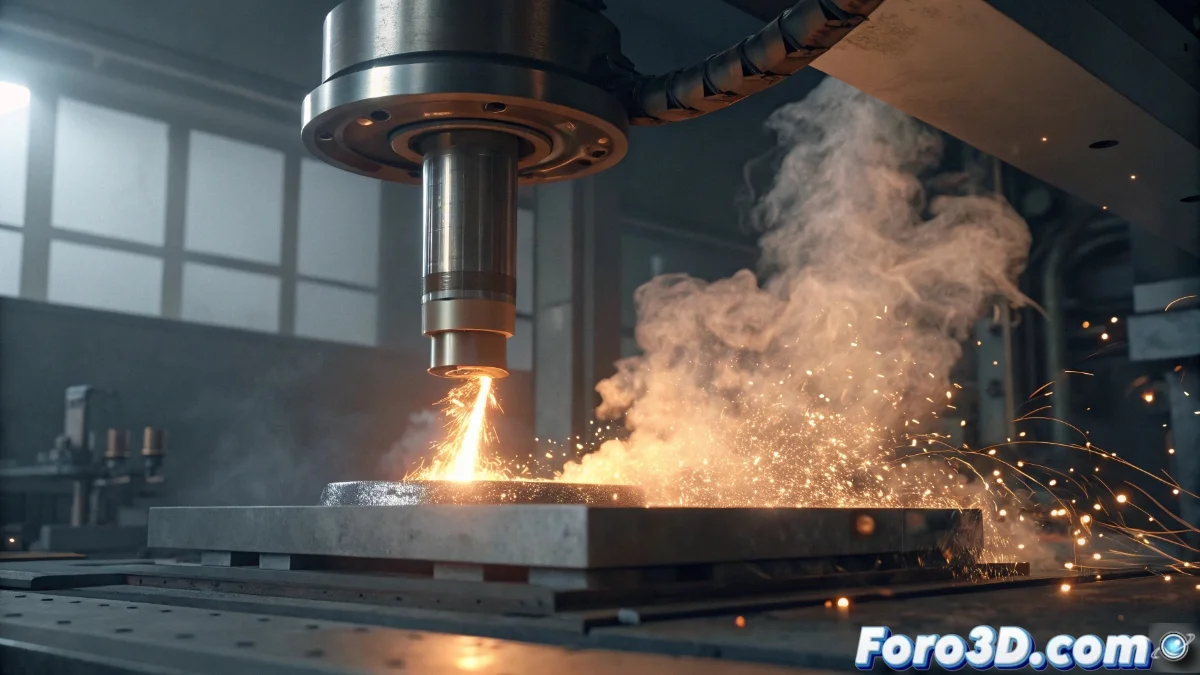
Elastocaloric Materials: The Revolution in Sustainable Refrigeration
Refrigeration technology is undergoing a radical transformation with the emergence of elastocaloric materials, which promise to replace conventional systems with more efficient and eco-friendly alternatives. These innovative components harness thermal changes through mechanical deformation, completely eliminating the harmful chemical refrigerants that have dominated the market for decades 🌱.
Fundamental Mechanism of the Elastocaloric Effect
The elastocaloric effect manifests when certain metallic alloys and specialized polymers undergo reversible phase transformations under mechanical stress. When stretching or compression force is applied, the material absorbs thermal energy from its immediate surroundings, while upon releasing the tension, it dissipates that accumulated heat. This continuous cycle enables the creation of refrigeration systems with controllably precise and significant thermal differences, overcoming many limitations of traditional technologies.
Key Characteristics of the Process:- Reversible and highly efficient phase transformations under stress cycles
- Ability to generate remarkable thermal gradients without the need for refrigerant gases
- Mechanical activation mechanisms that eliminate risks of contaminating leaks
The historical irony is evident: after years of relying on polluting machines, the solution for cooling may lie in the simple act of stretching and relaxing smart materials.
Competitive Advantages and Fields of Application
These materials offer decisive advantages over conventional vapor compression systems, highlighting their exceptional thermal efficiency and environmental sustainability. Their robust and recyclable nature ensures a long service life, while the absence of fluorinated gases represents a crucial advance in the fight against global warming. Practical applications range from household appliances to complex architectural and industrial air conditioning systems.
Promising Areas of Implementation:- More silent and efficient domestic refrigeration systems
- Building air conditioning solutions with lower environmental impact
- Industrial applications requiring precise and sustainable cooling
Challenges and Future of Elastocaloric Development
Current research focuses on overcoming obstacles such as mechanical fatigue in repetitive cycles and production cost optimization to facilitate mass commercialization. The potential of these materials suggests a promising future where refrigeration will be smarter, quieter, and fundamentally aligned with global sustainability goals. The ongoing evolution of this technology could completely redefine our relationship with environmental thermal control 🔄.