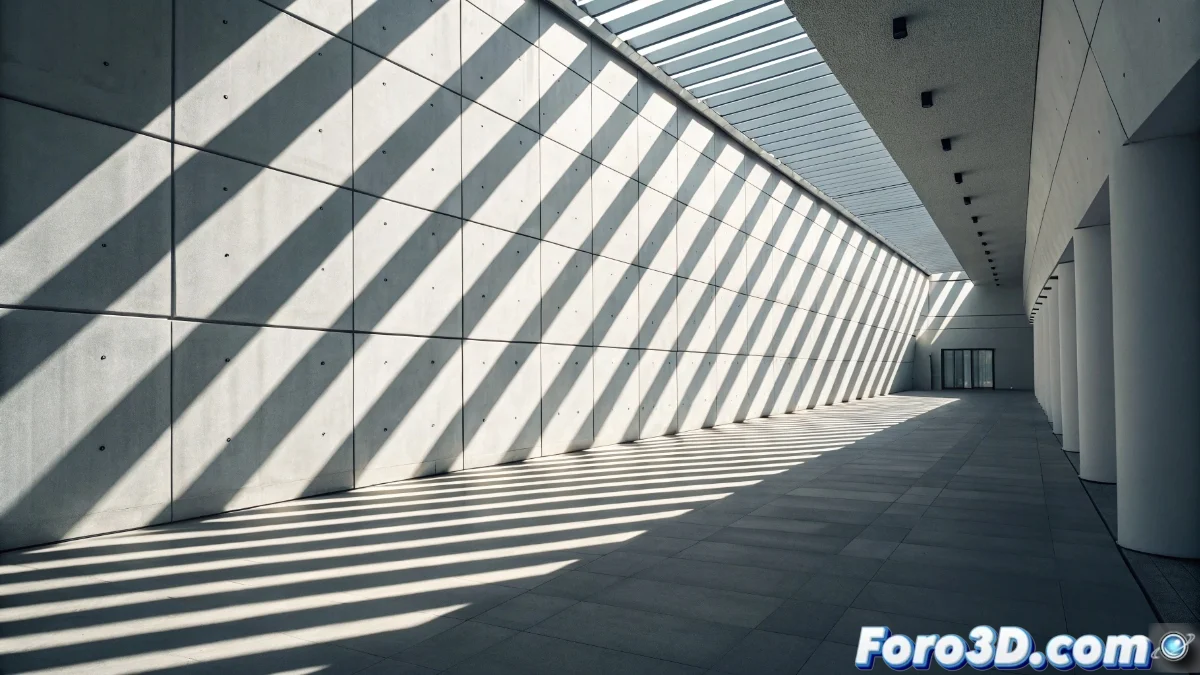
Disturbing Lighting in Graphic Design: Techniques and Applications
The artificially disturbing lighting and excessively pronounced shadows generate an atmosphere of unease that graphic designers use strategically to evoke intense emotions in the viewer. 🎭
Mechanisms for Creating Disturbing Visual Environments
Specialists in graphic composition have multiple resources to develop this unsettling aesthetic. The deliberate positioning of light sources at unconventional angles produces visual distortions that alter our usual perception.
Main Technical Tools:- Placement of lights in extreme positions such as top lighting or very pronounced side lighting that generates elongated and deformed shadows
- Application of cold color ranges with intense saturation in electric blues and acid greens combined with high contrasts
- Implementation of rough textures with grazing lighting that accentuates the sensation of artificiality and visual imbalance
What we would normally consider lighting errors become valuable tools when we seek to convey that something is not right in our composition.
Practical Implementation in Visual Media
This disruptive aesthetic finds specific applications in various fields of contemporary visual design, adapting to the communicative needs of each medium.
Specific Fields of Application:- Cinematic posters and horror/suspense video games where it generates anticipation and controlled discomfort
- Advertising campaigns with critical social messages that use unnatural lighting as a visual metaphor for social issues
- User interfaces where it is applied moderately to elements that require immediate attention or indicate error states, always with caution to avoid rejection
Visual Psychology Behind the Unsettling Effect
It is fascinating how our collective subconscious interprets perfectly soft shadows as synonymous with safety, while abrupt contrasts and artificial lighting activate alert signals. 🧠 This instinctive response allows designers to strategically manipulate the audience's emotions through calculated lighting choices that, although technically "incorrect," are highly effective communicatively when the goal is to convey tension, mystery, or warning.