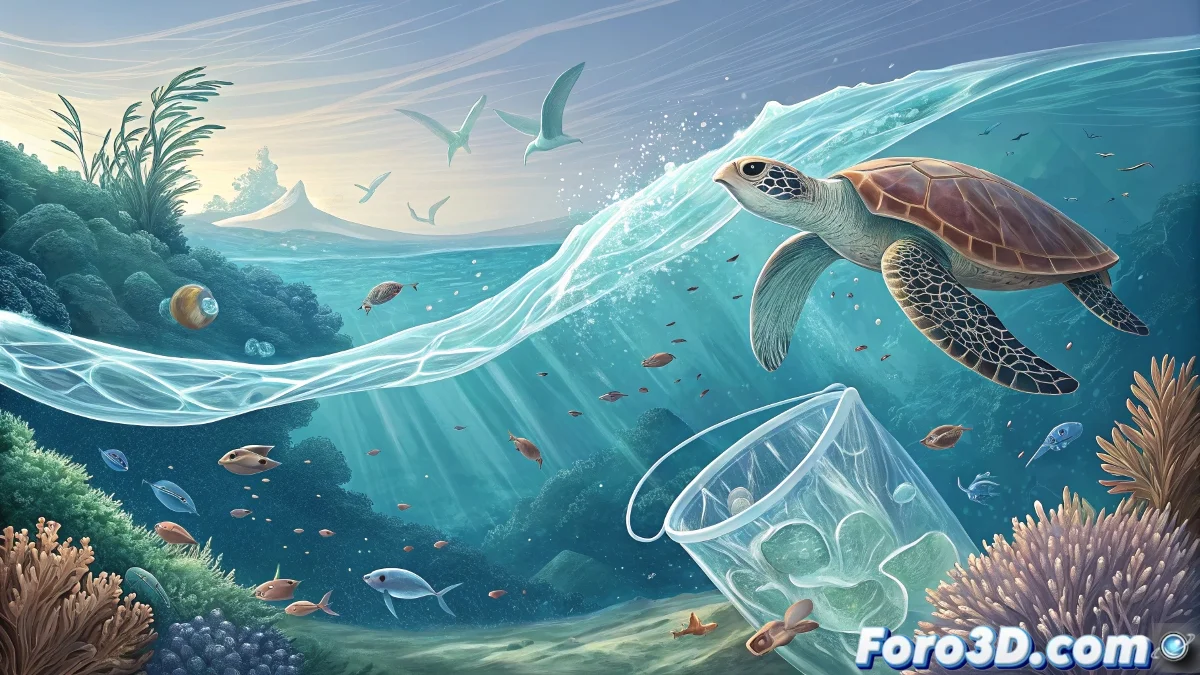
Eco-Friendly Plastic: Oceanographic Hope in a World of Bad Habits
While plastic pollution reaches critical levels in the oceans, biodegradable eco-friendly plastics emerge as a ray of hope in the fight to preserve marine ecosystems. These material innovations represent a pragmatic solution to a complex problem, offering a real alternative that breaks down naturally without leaving toxic microplastics. However, technology alone is not enough — the true solution requires combining scientific innovation with environmental education and a profound change in our consumption patterns. 🌊🔄
The Bioplastics Revolution
Eco-friendly plastics are not a magic solution, but the result of years of research in materials science that seek to replicate the utility of traditional plastic while eliminating its lasting environmental impact.
Types and Technologies of Eco-Friendly Plastics
There are multiple approaches to the challenge of creating materials that match the functionality of plastic without its toxic legacy.
Natural-Origin Bioplastics
Materials like PLA (polylactic acid) derived from corn, sugarcane, or algae offer complete biodegradability under appropriate conditions, transforming into water, CO₂, and biomass without harmful residues.
Oxo-Degradable Plastics
These materials contain additives that accelerate their fragmentation when exposed to UV light and oxygen, although their true environmental impact remains a subject of scientific debate.
Highlighted Eco-Friendly Materials:- PLA from renewable sources
- PHA produced by microorganisms
- Thermoplastic starch from potato or corn
- Biocomposites with natural fibers
The Problem of Persistent Bad Habits
The existence of eco-friendly alternatives does not excuse irresponsibility in waste management, but it does mitigate its most devastating consequences.
Reduction of Immediate Damage
When eco-friendly plastics accidentally reach the ocean, their biodegradation capacity significantly reduces the risk to marine fauna compared to conventional plastics that persist for centuries.
Gradual Behavioral Transition
These materials serve as a bridge to more responsible consumption patterns, allowing society to adapt progressively while environmental awareness develops.
Eco-friendly plastics are like airbags in a car — they don't make accidents desirable, but they save lives when they occur. True safety lies in responsible driving.
Technical Challenges and Limitations
Despite their potential, eco-friendly plastics face significant obstacles that must be overcome to become a comprehensive solution.
Biodegradation Conditions
Many bioplastics require specific industrial composting conditions to degrade completely, which limits their effectiveness when they end up in natural environments.
Mechanical Properties
Achieving the same performance as traditional plastics in terms of durability, gas barrier, and thermal resistance remains a technical challenge.
Impact on Marine Ecosystems
The introduction of eco-friendly plastics into the market is beginning to show tangible benefits for oceanic life.
Reduction of Entanglements and Ingestions
By decomposing more quickly, these materials decrease the risk that marine animals become trapped or ingest large fragments that obstruct their digestive systems.
Less Accumulation in the Food Chain
Biodegradability avoids the bioaccumulation of microplastics through the different levels of the marine food chain.
Demonstrated Environmental Benefits:- Reduction of persistent marine waste
- Less formation of microplastics
- Decrease in toxic additive pollution
- Faster recovery of affected ecosystems
Circular Economy and Waste Management
Eco-friendly plastics are just one piece in the broader puzzle of the circular economy.
Integration with Composting Systems
The development of adapted waste management infrastructures is crucial to maximize the environmental potential of these materials.
Certifications and Standards
The creation of reliable verification systems helps consumers identify genuinely eco-friendly products and avoid greenwashing.
The Human Factor: Education versus Innovation
The effectiveness of any technological solution ultimately depends on how society adopts and uses it.
Ongoing Awareness
Eco-friendly plastics should not become a license to maintain unsustainable behaviors, but rather a step toward a more harmonious relationship with the planet.
Extended Producer Responsibility
Companies are gradually adopting full lifecycle approaches for their products, taking responsibility from design to final disposal.
The Future of Ocean-Compatible Materials
The next generation of eco-friendly plastics promises even more advanced features that could revolutionize our relationship with disposable materials.
Materials with Programmed Biodegradation
Advanced research is developing polymers that initiate their degradation after a predetermined time, ideal for single-use products.
Plastics that Feed Ecosystems
Some experimental bioplastics are designed to release beneficial nutrients during their decomposition, transforming waste into resources for marine environments.
Eco-friendly plastics represent a powerful tool in the arsenal against ocean pollution, but they are not a silver bullet. The true hope for the oceans lies in the intelligent combination of technological innovation, effective policies, and, fundamentally, the evolution of our collective consciousness about the impact that every daily choice has on the vast blue world that sustains life on Earth. 🌍💙