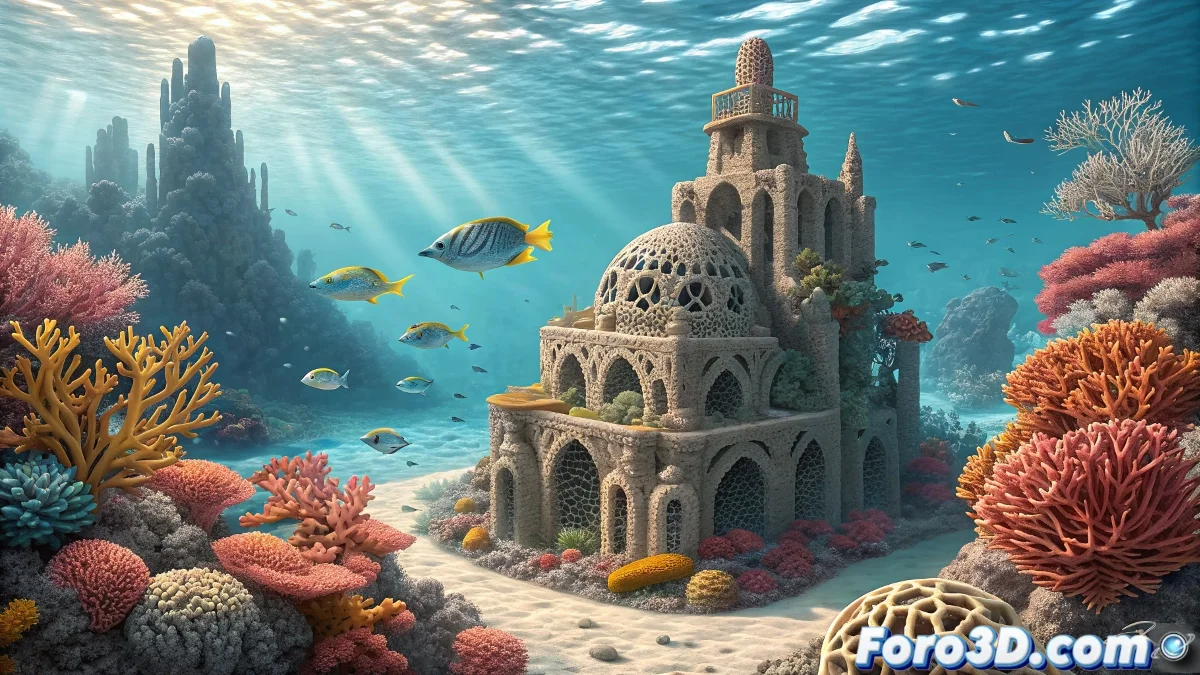
EAD and Archireef Restore Abu Dhabi's Coral Reefs with 3D Printing
The Abu Dhabi Environment Agency (EAD) and the environmental technology company Archireef have established an innovative alliance to restore the emirate's coral reefs using advanced 3D printing. This collaboration utilizes 3D printed artificial structures specifically designed to facilitate natural regeneration and preserve the region's critical marine ecosystems. The project represents a revolutionary approach to marine conservation that combines cutting-edge technology with fundamental ecological principles. 🐠
The Coral Reef Crisis in Abu Dhabi
Abu Dhabi's coral reefs face significant threats due to climate change, coastal development, and anthropogenic pressures. These coral formations are critical ecosystems that host essential marine biodiversity and provide vital ecosystem services for the region.
Specific problems identified:- Coral bleaching due to rising sea temperatures
- Loss of structural complexity that reduces available habitats
- Excessive sedimentation affecting coral health and growth
- Decrease in recruitment and larval settlement rates
- Fragmentation of coral populations that reduces ecological resilience
- Impact on fisheries and coastal protection that depend on healthy reefs
We are transforming marine restoration through 3D printed structures that not only mimic nature but enhance it, creating more resilient reefs for the future.
3D Printing Technology for Marine Restoration
Archireef's structures use specialized additive manufacturing technology to create optimized substrates that replicate the natural complexity of coral reefs. These designs are scientifically validated to maximize the settlement and growth of corals and associated organisms.
Technical features of the structures:- Complex geometries that maximize available surface for colonization
- Ceramic and clay materials with neutral pH and safe composition
- Surface textures that facilitate adhesion of coral larvae
- Modular designs that allow creation of diverse underwater landscapes
- Strategic orientation that optimizes exposure to light and currents
- Full compatibility with scientific monitoring and progress evaluation
Bio-inspired Design and Ecological Optimization
Archireef's designs incorporate principles of advanced biomimicry, studying natural patterns of healthy reefs to create artificial structures that overcome the limitations of traditional restoration methods. 🪸
Bio-inspired design elements:- Micro-habitats that replicate natural crevices and refuges
- Surfaces with different angles and orientations for species diversity
- Structures of different scales that attract varied organisms
- Optimized flow patterns that facilitate feeding and oxygenation
- Features that reduce sediment accumulation
- Designs that promote natural ecological succession
Implementation and Monitoring Process
The project implementation follows a rigorous scientific protocol that includes strategic site selection, controlled installation of structures, and continuous monitoring to evaluate effectiveness and make necessary adjustments.
Restoration project phases:- Assessment of potential sites based on oceanographic and ecological conditions
- Custom design of structures for specific conditions at each location
- Fabrication of structures using 3D printing with ecological materials
- Underwater installation by specialized diving teams
- Transplanting of native corals to the artificial structures
- Long-term monitoring of growth, biodiversity, and ecosystem health
Advantages over Traditional Restoration Methods
3D printing applied to marine restoration offers significant advantages compared to traditional approaches such as concrete artificial reefs or sinking structures, providing greater precision and effectiveness.
Key comparative advantages:- Unlimited customization for specific conditions and species
- Reduction in time and costs compared to artisanal methods
- Higher survival and growth rates of transplanted corals
- Scalability that allows ecosystem-level interventions
- Minimization of environmental impact during installation
- Ability to incorporate scientific data into design iterations
Impact on Biodiversity and Ecosystem Services
The restored reefs are designed to recover essential ecological functions, including habitat for marine species, natural coastal protection, and support for sustainable fisheries.
Expected ecosystem benefits:- Increase in marine biodiversity and species abundance
- Improvement in fishery productivity through nursery zone creation
- Natural coastal protection against erosion and storms
- Carbon sequestration and regulation of biogeochemical cycles
- Opportunities for ecotourism and environmental education
- Preservation of marine natural and cultural heritage
Global Implications and Scaling Potential
The EAD-Archireef project has significant implications for global marine conservation, establishing a replicable precedent for other regions facing similar challenges in preserving their coral reefs.
Expansion and replication potential:- Technology adaptation for different ecoregions and coral species
- Development of standards and protocols for 3D printing restoration
- International collaborations to address the global coral crisis
- Integration with other technologies like sensors and remote monitoring
- Application to other marine ecosystems like mangroves and seagrasses
- Capacity building in local advanced restoration technologies
Conclusion: A New Paradigm in Marine Conservation
The alliance between EAD and Archireef represents a historic turning point in marine ecosystem restoration. By combining cutting-edge 3D printing technology with solid ecological science, they are not only revitalizing Abu Dhabi's coral reefs but also establishing a new global standard for effective marine conservation. At a time when coral reefs face existential threats, this project demonstrates that technological innovation, when applied with deep ecological understanding, can offer transformative solutions to some of the most urgent environmental challenges of our time. The success of this initiative could inspire similar actions worldwide, accelerating the recovery of critical marine ecosystems for present and future generations. 🌊