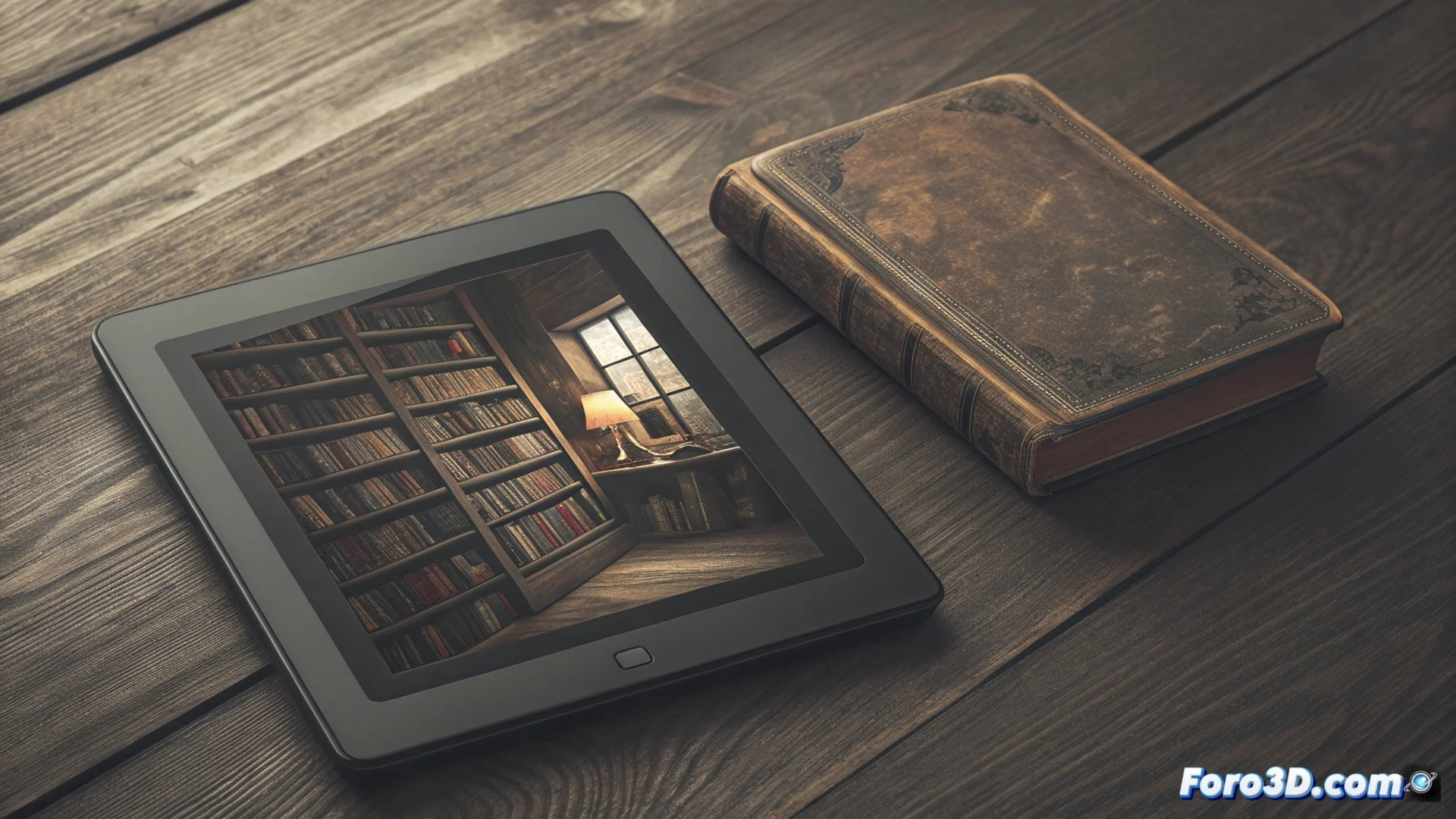
E-book Readers with Proprietary Software Have an Inherent Risk
Owning an e-book reader that runs on proprietary software may seem convenient, but it poses a real threat to your digital library. The greatest danger is not hardware failure, but the disappearance of the manufacturer's closed ecosystem, as happened with the Sony Reader Store. This can block your access to new titles and, in the worst case, to the books you already purchased. 📚⚠️
The Central Problem: Dependency on a Single Ecosystem
This business model ties you absolutely to the manufacturer. The locked operating system prevents installing alternative reading apps or buying from other stores. Your digital library remains captive in a platform that may shut down. Unlike a physical book or a standard EPUB file, "owning" digital content depends on an external service continuing to function, adding uncertainty about whether you will be able to access your works in the future.
Direct Consequences for the User:- Loss of Main Function: If the official store closes, the device can no longer acquire new books legally and easily.
- Personal Library at Risk: It may become impossible to re-download purchased books if you need to transfer them to a new device.
- Lack of Freedom: You cannot choose where to buy your books or what reading software to use, limiting your options.
Your digital library could have an expiration date, a detail that is not usually in the device's spec sheet.
How Users Try to Regain Control
To counter this risk, many users seek to free their books from the digital fence. This often involves removing DRM protection from legally owned files, a process whose complexity varies. The goal is clear: convert those books to open formats like DRM-free EPUB and store them locally. This way, they become independent of the original store and ensures they can be read on any compatible device tomorrow.
Common Steps to Mitigate the Risk:- Extract and Convert: Use software tools to remove DRM and transform the book into a universal format.
- Store Locally: Save copies of the converted files on hard drives, NAS, or cloud services under your control.
- Use Alternative Readers: Enjoy your library on other e-readers, tablets, or apps that support open formats.
Thinking About the Permanence of Your Library
This is the less romantic side of modern reading. "Owning" an e-book in a closed system does not always mean having it forever. The fragility of this model lies in its dependence on a commercial entity. Opting for more open devices or taking proactive measures to manage your files are key strategies to protect your cultural investment and ensure your library accompanies you long-term, without surprises. 🔓