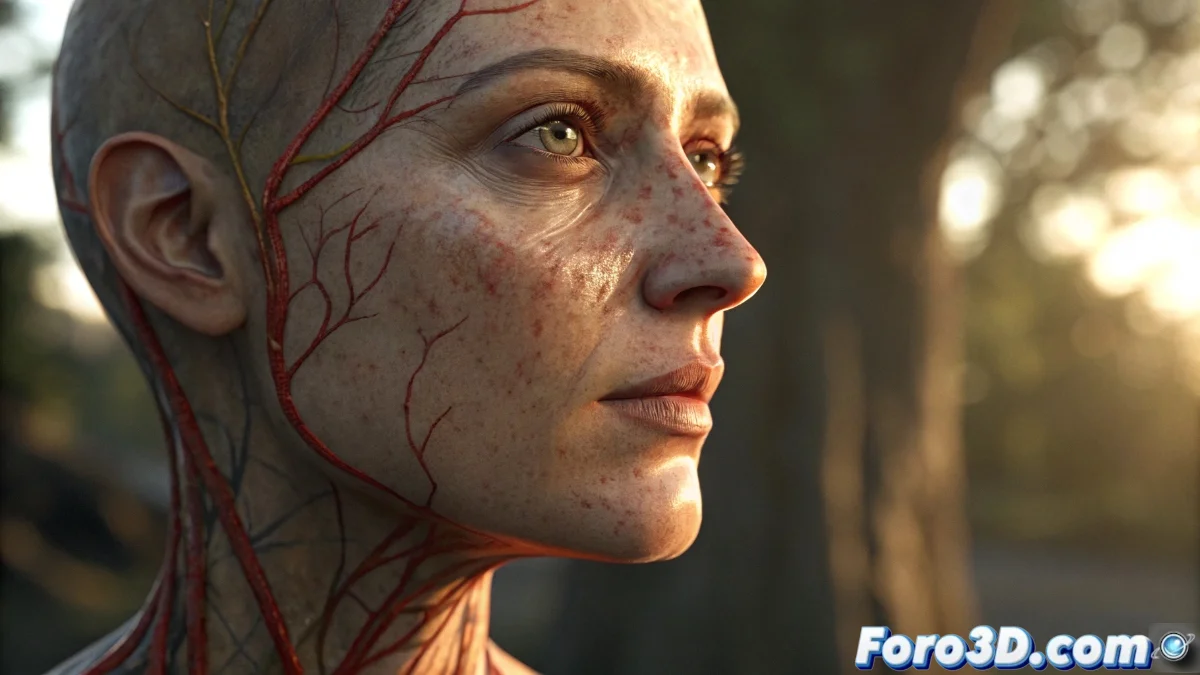
Dynamic Subsurface Scattering in Unreal Engine 5: Real-Time Realism
The latest version of Unreal Engine 5 has incorporated a revolutionary Dynamic Subsurface Scattering system that completely transforms the representation of translucent materials in interactive environments. This innovation allows simulating with unprecedented precision how light propagates and diffuses through semitransparent surfaces, achieving levels of realism that were previously only available in offline renders. 🎨
Integration into the Material Workflow
Developers can access this advanced functionality through UE5's material system, specifically using the Subsurface Profile node. This component allows configuring multiple essential parameters to control light behavior, including the scattering radius, transmitted light color, and effect intensity. The perfect integration with Lumen, the dynamic global illumination system, ensures that translucency responds coherently to any lighting changes in real-time, maintaining impeccable visual consistency under all scene conditions. ✨
Main features of the system:- Dynamic light scattering calculation based on material thickness and lighting conditions
- Elimination of precomputed solutions that limited artistic flexibility
- Customizable configuration of parameters such as scattering radius and transmitted color
This technology represents a qualitative leap in the representation of organic materials, bringing us closer to a level of realism previously considered exclusive to offline rendering.
Practical Applications and Performance Considerations
The applications of this technology are immediate and diverse, particularly standout in creating realistic characters where human skin requires that characteristic semitransparent quality. However, its utility extends much further, covering organic objects, architectural materials like marble, and natural elements like plant leaves. The system maintains optimized performance through intelligent approximation techniques that carefully balance visual quality with computational cost, allowing its implementation even in projects with very strict performance requirements. 🚀
Implemented optimization strategies:- Intelligent approximation techniques that balance quality and performance
- Automatic level of detail adjustment based on distance to the camera
- Prioritization of resources in areas of greatest visual impact
The Future of Digital Representation
With this technological evolution, digital characters can now show reactions like blushing with realism that generates genuine empathy, even if they still can't return the greeting. This advance not only improves visual quality but also expands developers' creative possibilities, establishing a new standard in the representation of translucent materials within real-time engines. Unreal Engine 5's Dynamic Subsurface Scattering marks a turning point in the pursuit of interactive visual realism. 🌟