Dying of the Light: An Analysis of George R.R. Martin's Early Novel
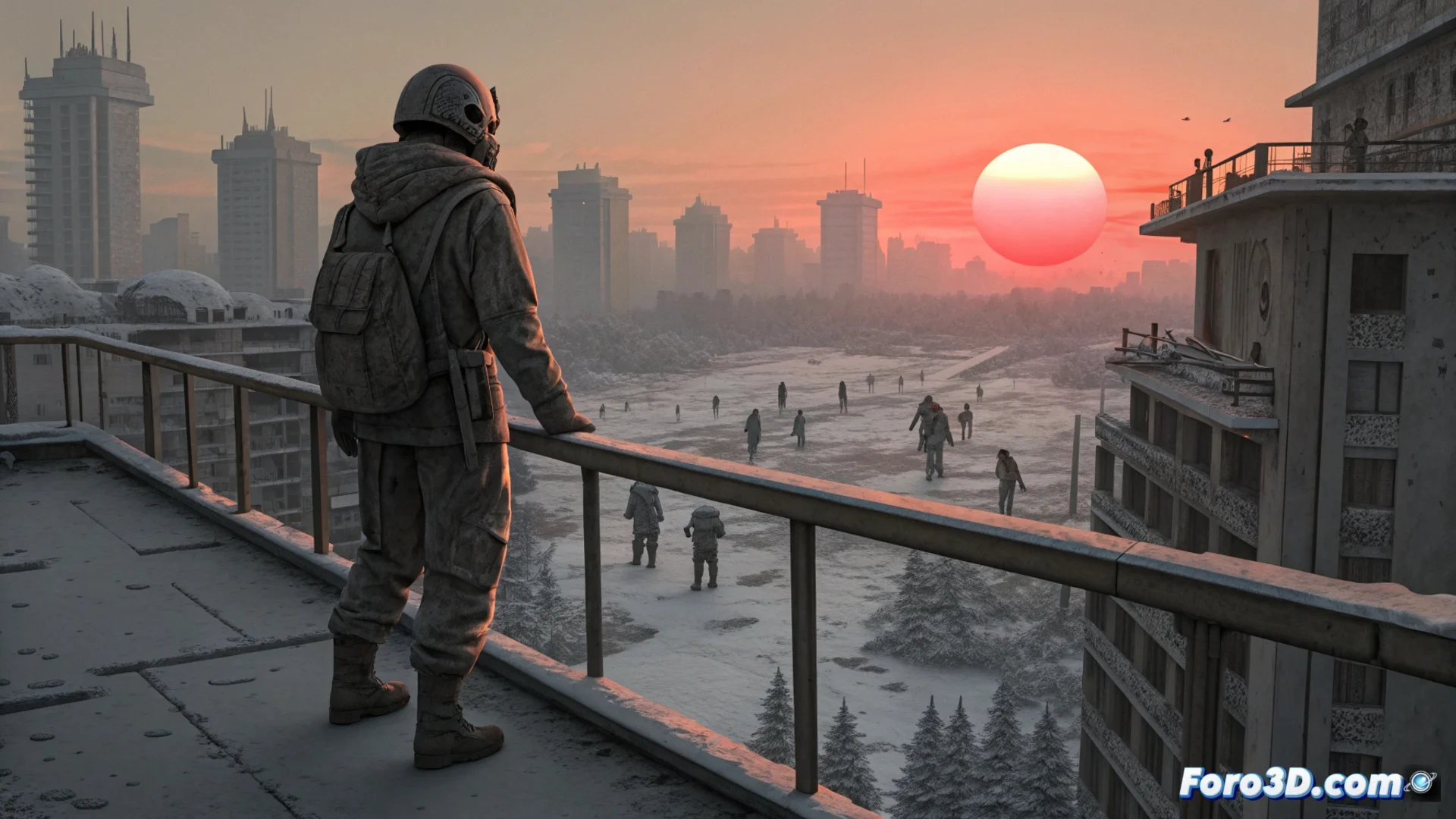
Before creating the Seven Kingdoms, George R.R. Martin was already exploring complex universes in his science fiction debut. Dying of the Light takes us to Worlorn, an artificial planet whose orbit takes it away forever from its sun, plunging it into perpetual night and deadly cold. It is here that the protagonist, Dirk t'Larien, arrives hoping to rekindle a past romance with Gwen Delvano, only to find a world immersed in its final and violent throes. 🌌
A Scenario of Decay and Conflict
Martin devotes much of the narration to meticulously building the dying world of Worlorn, which functions as another character. This planet serves as the setting for the Edge Festival, a last great hunt that brings together various human factions and alien species. Dirk finds himself immersed in this cauldron of clashing traditions, where archaic codes of honor and duel rituals dictate actions more than the logic of survival.
Cultures in Collision:- High Kavaler of Kaval: An aggressive and warlike society that values combat and honor above all else.
- The Braques: A stoic and reserved group, whose actions are guided by a philosophy of acceptance and internal discipline.
- The Ghnish: One of the alien races present, which adds another layer of complexity and cultural difference to the conflict.
On a planet that is literally dying from lack of light, the characters prioritize their hunts and honor duels over seeking a way to escape.
The Thematic Pillars of the Narrative
The plot is supported by two main axes. The first is a story of lost love and nostalgia for an irretrievable past, symbolized in the failed relationship between Dirk and Gwen. The second axis is a deep exploration of how cultural conflicts and rigid belief systems shape people's destinies, even in the face of imminent catastrophe.
Connections to Martin's Later Work:- Conflict Analysis: Here can be seen the germ of his interest in dissecting wars and confrontations motivated by cultural and historical differences, later expanded in A Song of Ice and Fire.
- Weight of History: Traditions and honor, central themes in his later works, are already driving forces in Worlorn, often with tragic consequences.
- Melancholic Setting: The overall atmosphere of sadness and decay foreshadows the tone of many of his future writings.
The Legacy of a Debut Work
Dying of the Light is more than a simple science fiction novel; it is a narrative laboratory where George R.R. Martin began to test the themes and structures that would later define his career. The irony of a world that is fading while its inhabitants get entangled in passionate dramas and tribal conflicts reflects a pessimistic but fascinating view of human nature. The work demonstrates that, from his beginnings, Martin knew how to weave personal drama with epic conflict in a setting as powerful as the characters who inhabit it. 📖