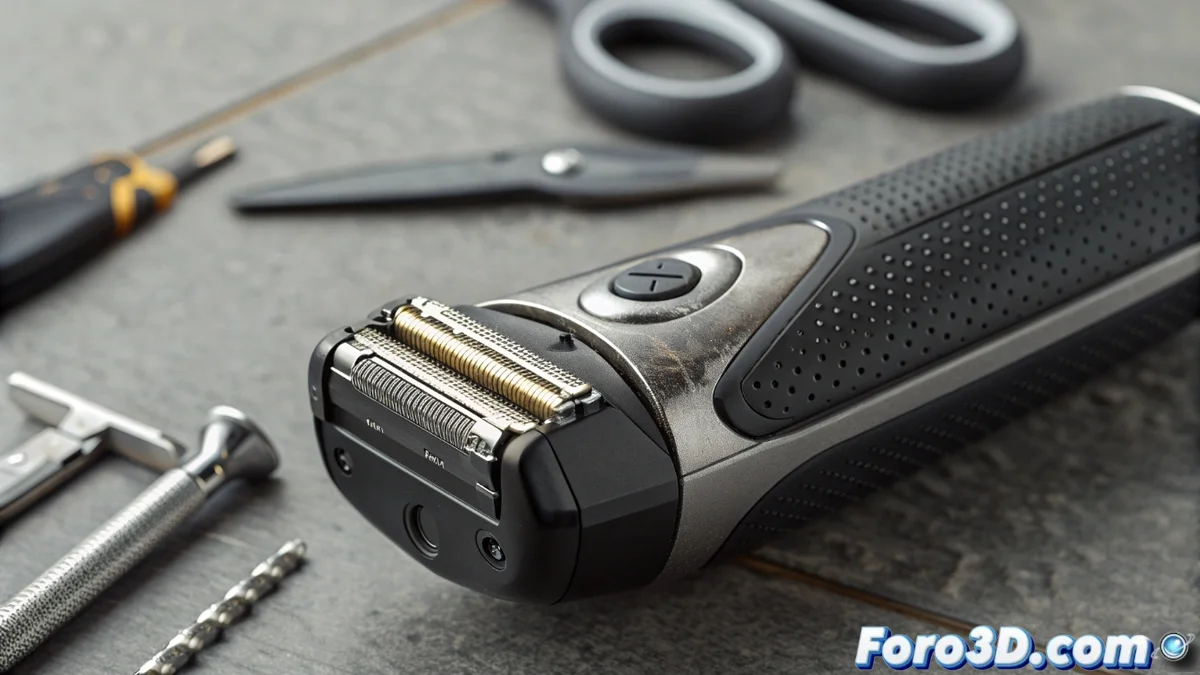
Durability Issues in Modern Rechargeable Razors and Trimmers
Contemporary rechargeable personal care devices hide structural flaws that compromise their longevity and cost-effectiveness. Two fundamental failures turn tools designed to last years into disposable products 🪒.
Inevitable Degradation of Cutting Systems
Shaving mechanisms experience cumulative wear with each use, particularly noticeable with thick beards or daily use. The blade edges dull, precision adjustments lose tension, and dermatological protections wear out, forcing the purchase of original replacement parts often at exorbitant prices.
Consequences of Progressive Wear:- Loss of cutting efficiency after 6-12 months of regular use
- Hidden costs for replacements that can exceed the initial device price
- Business model based on recurrent sales of consumables
Manufacturers have perfected the art of creating products that die just after the warranty expires, as if they had an internal timer programmed
Forced Obsolescence Due to Integrated Batteries
Sealed batteries are the Achilles' heel of these devices. All lithium batteries lose capacity with charge cycles, and after about 24 months, many units barely hold enough energy for a full shave. Being non-replaceable without destroying the device, users must buy new units 🔋.
Impact of Non-Replaceable Batteries:- Unnecessary generation of polluting electronic waste
- Unexpected additional expenses for consumers
- Anti-repair design that contradicts sustainability principles
Towards a Culture of Repairable Products
The combination of perishable components and closed designs creates frustration among users who value durability. An urgent shift is needed towards manufacturers that prioritize repairability over profits from spare parts, allowing consumers to keep their tools functional longer without excessive costs 💡.