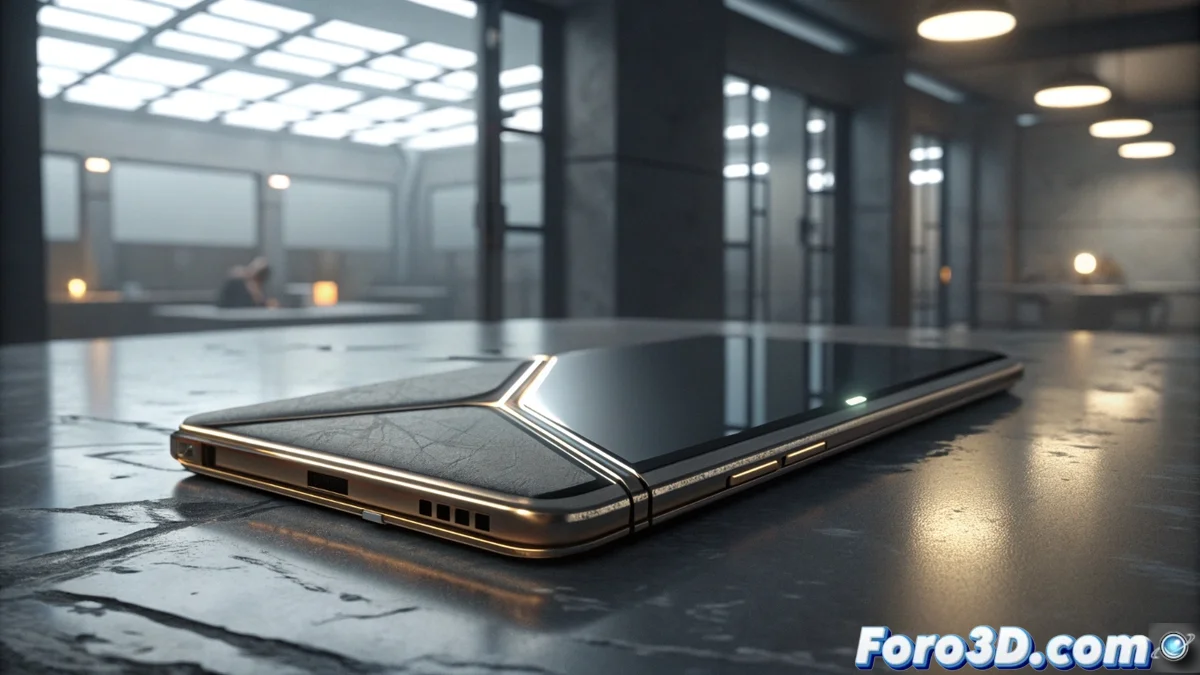
Durability Issues in Foldable Smartphones
The arrival of foldable smartphones has revolutionized the screen concept, promising portability and an expanded viewing experience. However, behind the fascinating technological innovation lies a constant battle against physics and material wear. Iconic devices like the Samsung Galaxy Fold and Flip series have demonstrated that continuous flexibility comes at a high price in terms of longevity. 🧐
The Weak Points of Flexibility
The main Achilles' heel of these devices lies in their foldable components. Each opening and closing action is not innocuous, but a stress cycle for the materials. The flexible screen and the hinge mechanism are subjected to mechanical fatigue that inevitably accelerates their deterioration, far beyond what a traditional smartphone experiences.
Common manifestations of wear:- Visible creases and micro-folds in the center of the screen, which can affect image quality.
- Hinge mechanism failures, leading to incomplete opening or anomalous sounds.
- Detachment of the screen's protective layer, a recurring problem that users often try to fix themselves with disastrous results.
"Current foldable technology is like an impressive magic trick, but whose secret wears out with each repetition, reminding us of the limits of materials."
Practical Consequences for the User
The impact of these issues goes beyond mere aesthetic annoyance. The limited lifespan of these components means that critical failures usually occur just when the standard warranty period has expired. This places the user in a complicated financial dilemma.
Factors that increase frustration:- Prohibitive repair costs: Replacing the screen or hinge can reach figures close to the value of a new device.
- Maintenance complexity: They are not easy devices to repair, requiring specialized technicians and high-cost parts.
- Long-term uncertainty: Doubt about how long the phone will last after a major repair discourages investment.
Innovation versus Longevity
Ultimately, adopting a foldable smartphone involves weighing the appeal of a vanguard design against the proven durability of traditional formats. Until materials technology makes a significant leap, these devices will continue to represent a high-risk proposition for users who prioritize reliability over several years. The promise of a flexible future is exciting, but the present is still full of problematic folds. 🤔