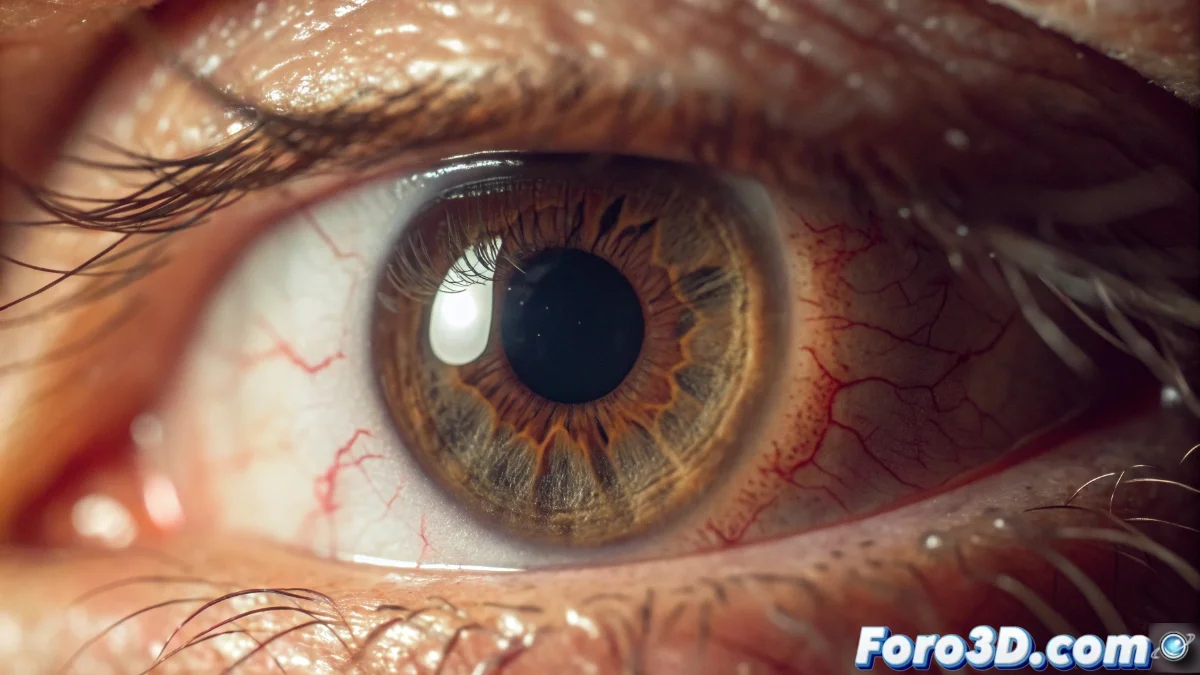
Dry Eye Syndrome: causes, mechanisms, and symptoms
The dry eye syndrome represents a multifactorial condition that compromises the ocular surface, manifesting through an alteration in the homeostasis of the tear film. This implies that the eye produces insufficient tears or they evaporate quickly, generating instability, hyperosmolarity, activation of inflammatory processes, and corneal damage. The normal tear structure consists of three layers: the outer lipid layer that minimizes evaporation, the intermediate aqueous layer responsible for hydration and nutrition, and the inner mucin layer that ensures homogeneous distribution over the corneal surface. 👁️
Triggering factors and risk groups
The causes of dry eye syndrome are varied, ranging from environmental factors such as reduced humidity, wind exposure, or prolonged use of digital devices—which decrease blink frequency—to hormonal changes typical in female menopause. Autoimmune diseases such as Sjögren's syndrome, natural aging, medications like antihistamines or antidepressants, and factors related to ocular surgeries or contact lens use also play a role. Meibomian gland dysfunction, producers of the lipid barrier, is one of the most common reasons, as its failure accelerates tear evaporation. 💨
Main risk factors:- Exposure to dry environments or air currents
- Prolonged screen use that reduces blinking
- Hormonal variations, especially in postmenopausal women
Meibomian gland dysfunction is key in accelerated tear evaporation, being one of the most prevalent causes in ophthalmological consultations.
Pathophysiological mechanisms and clinical manifestations
Pathophysiologically, ocular dryness initiates an inflammatory cycle where the hyperosmolarity of the tear film activates pro-inflammatory cytokines that damage corneal and conjunctival epithelial cells. This damage, in turn, further disrupts tear production and quality, perpetuating the disorder. The characteristic symptoms include a foreign body sensation (sandiness), burning, redness, blurry vision that partially improves with blinking, visual fatigue, and, paradoxically, excessive tearing as a reflex reaction to irritation. The diagnosis is made through tests such as the Schirmer test (measurement of tear production), tear break-up time (stability evaluation), and staining with dyes to identify surface damage. 🩺
Common diagnostic procedures:- Schirmer test to quantify aqueous secretion
- Tear break-up time evaluation for stability
- Corneal staining with fluorescein or rose bengal
Final reflection on everyday impact
Dry eye syndrome not only implies physical discomfort but also affects quality of life, with an underlying irony: the sensation of extreme dryness can make even the desert seem humid, while the tear system seems to go into "labor strike" without warning. Understanding its pathophysiological mechanisms, causal factors, and symptoms is essential for an appropriate therapeutic approach that restores visual comfort. 🌵