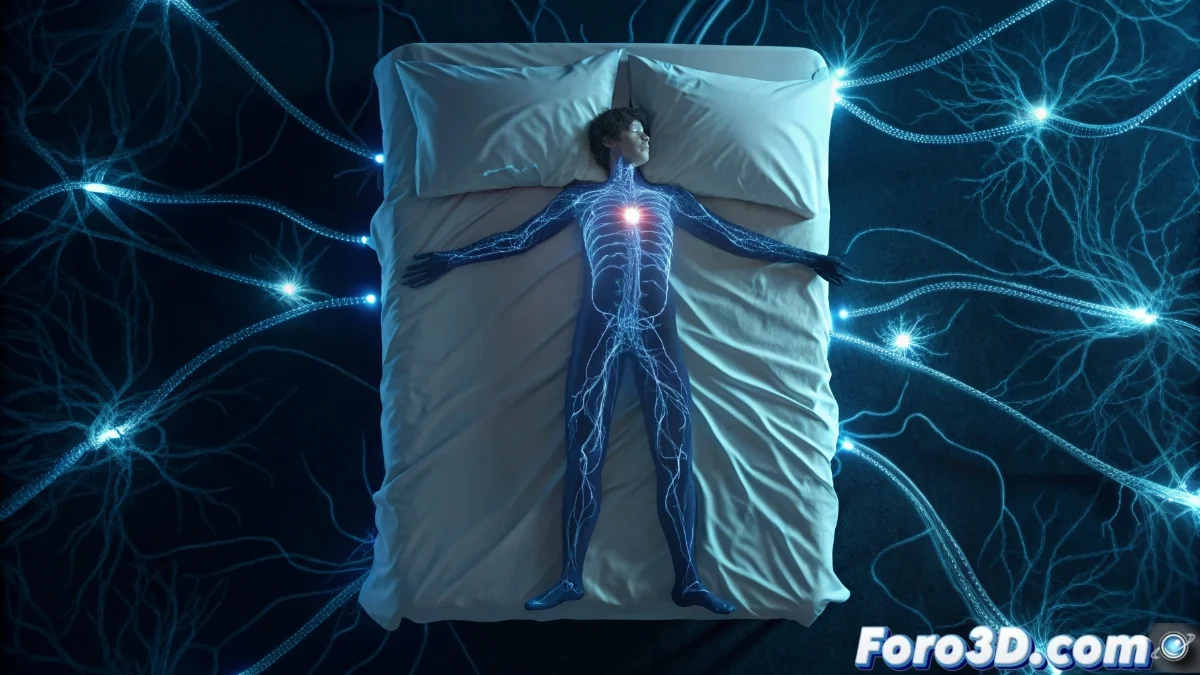
Disease Dreams: Psychological Meaning and Neurological Basis
When we experience recurrent dreams where we are affected by diseases, our brain is translating latent concerns about our physical and emotional well-being. These dream narratives emerge especially in stages of high psychological tension, transforming internal insecurities into scenarios that feel unsettlingly familiar to us. 🧠
Brain Mechanisms During Deep Sleep
From a neuroscientific perspective, these dreams coincide with the activation of brain regions linked to stress processing and states of alertness. During the REM phase, the brain not only consolidates memories but also intensely processes emotional content, generating scenarios where the fear of disease functions as a primary adaptive response. 📊
Neuroimaging evidence reveals:- Activation of brain areas related to threat perception even during rest
- Parallel processing of emotional information and intense physical sensations
- Translation of psychological vulnerabilities into recognizable bodily metaphors
Our minds convert emotional discomfort into physical narratives that we can more easily understand
Psychological Interpretation versus Biological Explanation
While analytical psychology interprets these dream phenomena as indicators of unresolved anxiety, neuroscience considers them the natural result of electrochemical processes in the brain. Both disciplines agree that they represent mechanisms of emotional processing, although they fundamentally differ in their causal approaches. 🧩
Complementary Perspectives:- Psychology emphasizes symbolic meaning and resolution of internal conflicts
- Neuroscience describes the biological substrates and brain mechanisms involved
- Both recognize the adaptive function of these dream contents
The Contemporary Cycle of Dream Interpretation
What is fascinating about these dream phenomena is that, even understanding their scientific basis, we continue to attribute deep personal meaning to them. Possibly our brain is indicating the need for rest and recovery, but our immediate response is usually the obsessive search for online interpretations, thus generating a new cycle of anxiety that perpetuates the initial pattern. 🔄