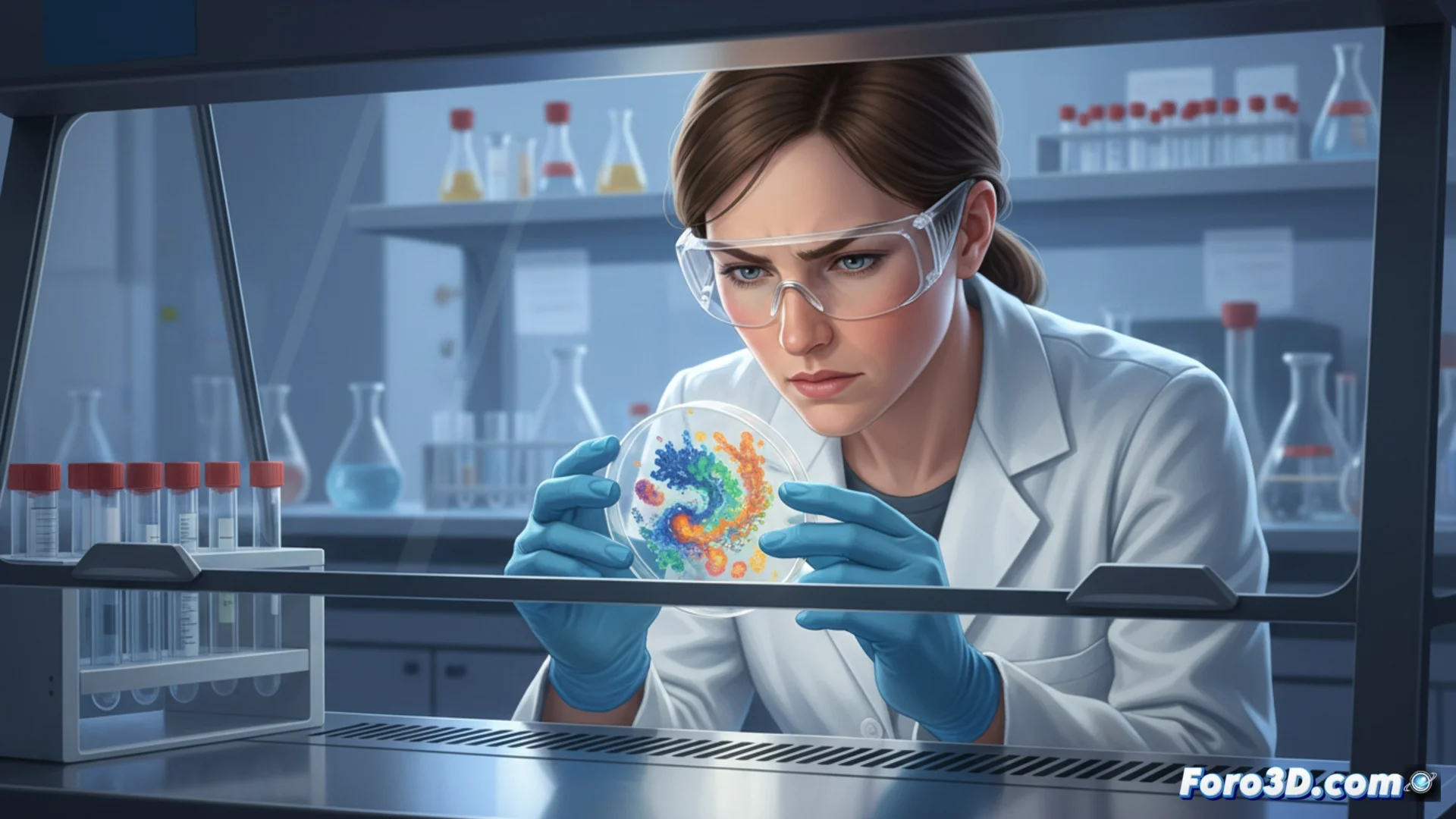
Dr. Elizabeth Hohmann researches fecal microbiomes to create therapies
The scientist Elizabeth Hohmann focuses her work on meticulously examining human stool samples. Her main goal is to discover robust and diverse gut bacterial ecosystems. These exceptional microbial consortia have the potential to be used to help other patients. The research targets specific gastrointestinal conditions and aims to enhance the immune system. To achieve this, Hohmann precisely selects samples that can offer the greatest therapeutic benefit. Her methodology is rigorous and supported by solid scientific data. 🔬
The protocol for selecting the most suitable donors
Hohmann's team applies a very strict selection criterion. They do not accept any donation. Initially, they evaluate candidates through comprehensive clinical questionnaires and hematological tests. They exclude individuals with a history of long-term illnesses or who have taken antibiotics recently. Subsequently, in the laboratory, they study the bacterial composition of the stool. They identify a great wealth of beneficial microorganisms and confirm the absence of harmful agents. Only samples that pass all these controls are deemed suitable for potential use in therapies.
Key phases of the filtering process:- Evaluate the donor's general health with questionnaires and blood tests.
- Exclude those who have used antibiotics or have chronic diseases.
- Analyze in the laboratory the diversity and safety of the fecal microbiota.
"Sometimes I say that I receive gifts that no one else wants, but that have the power to change lives," comments Dr. Hohmann about her work.
Applying the discoveries through fecal transplants
The practical utility of this research materializes in fecal microbiota transplants. This treatment transfers processed fecal matter from a healthy individual to a patient's intestinal tract. It is primarily used to combat recurrent infections caused by the bacterium Clostridioides difficile, which can be very severe. Hohmann's study seeks to optimize these procedures and explore new possibilities. It investigates whether selected microbiomes could benefit people with ulcerative colitis or irritable bowel syndrome. The findings are preliminary, but the field is progressing steadily.
Diseases targeted by the research:- Recurrent Clostridioides difficile infections.
- Ulcerative colitis and other inflammatory bowel disorders.
- Irritable bowel syndrome to improve symptoms.
Essential work behind the microscopes
It is not a glamorous task, but it is fundamental. Hohmann and her team perform meticulous work that can save lives and alleviate suffering. Their approach turns something society discards into a powerful medical tool. The path to understanding the gut microbiome is long, but each analyzed sample brings science closer to more personalized and effective therapies. Commitment to evidence and detail makes the difference in this pioneering field of medicine. 💊