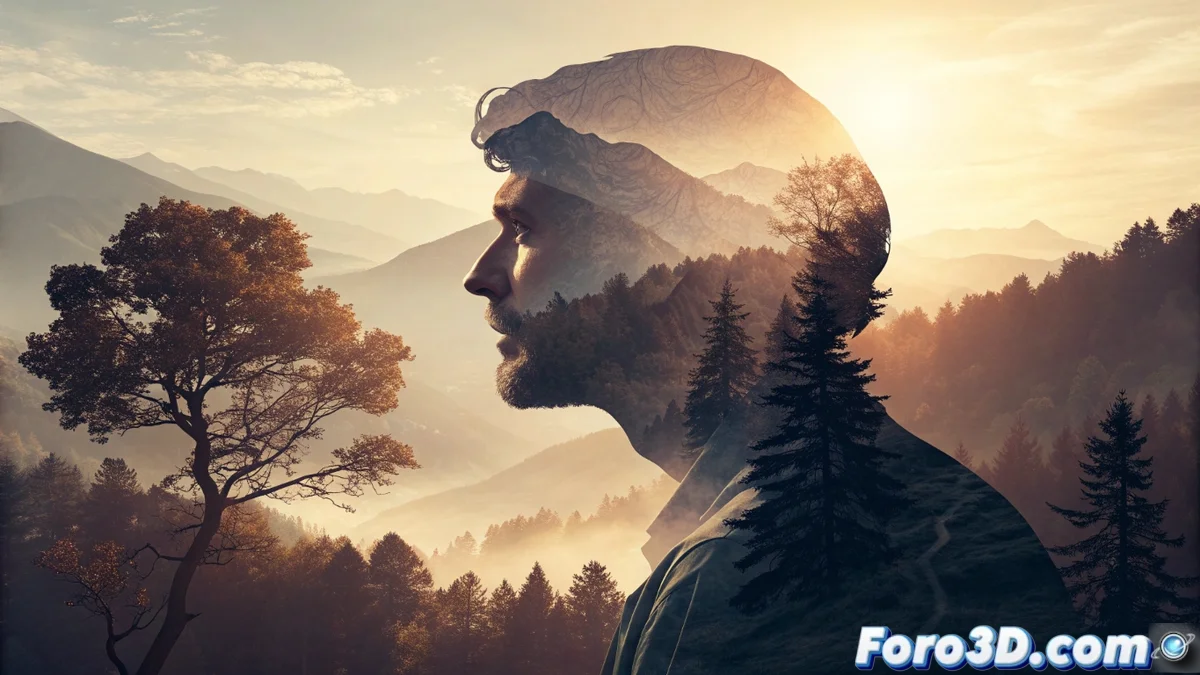
Double Exposure: Photographic Technique for Creative Effects
The double exposure is an artistic method that consists of combining two distinct photographs into a single composition. This process generates surreal and dreamlike results, ideal for adding a deep narrative layer to visual projects. Its popularity has grown thanks to accessibility on modern devices. 📸
Methods to Create a Double Exposure
There are two main ways to achieve this effect. The first is through the use of digital cameras that include a built-in multiple exposure mode, such as some Canon or Nikon models. The second, and more common, is through digital processing in editing software.
Detailed Technical Approaches:- In-camera: Set the multiple exposure mode, take two shots without moving the frame, and the device will automatically blend the captures.
- With desktop software: Programs like Adobe Photoshop allow importing images, working with layers, and adjusting opacity for total control over the blending.
- With mobile apps: Tools like Snapseed or VSCO offer specific functions to overlay photos intuitively and quickly.
The key lies in the selection and alignment of the base images; a poor combination can result in visual chaos instead of art.
Tools and Usage Recommendations
For smartphone users, numerous apps make experimentation easy. Instagram's creative mode or dedicated tools are perfect for combining, for example, a portrait with natural textures. It is crucial to manage contrast and brightness levels.
Essential Practical Tips:- Select images with simple backgrounds and high contrasts for a cleaner and more effective blend.
- Experiment with layer blending modes (such as "Multiply" or "Overlay") to discover unexpected results.
- Avoid overexposure by adjusting the balance of lights and shadows before the final overlay.
Potential and Precautions of the Technique
Although double exposure can transform an ordinary photograph into a striking visual piece, it carries risks. Poor alignment or a discordant choice of elements can create confusing or unwanted compositions. Mastering this technique requires practice and a clear vision of the final result to harness its full narrative and artistic potential. 🎨