Chimpanzees, Fermented Fruit, and a Scientific Curiosity
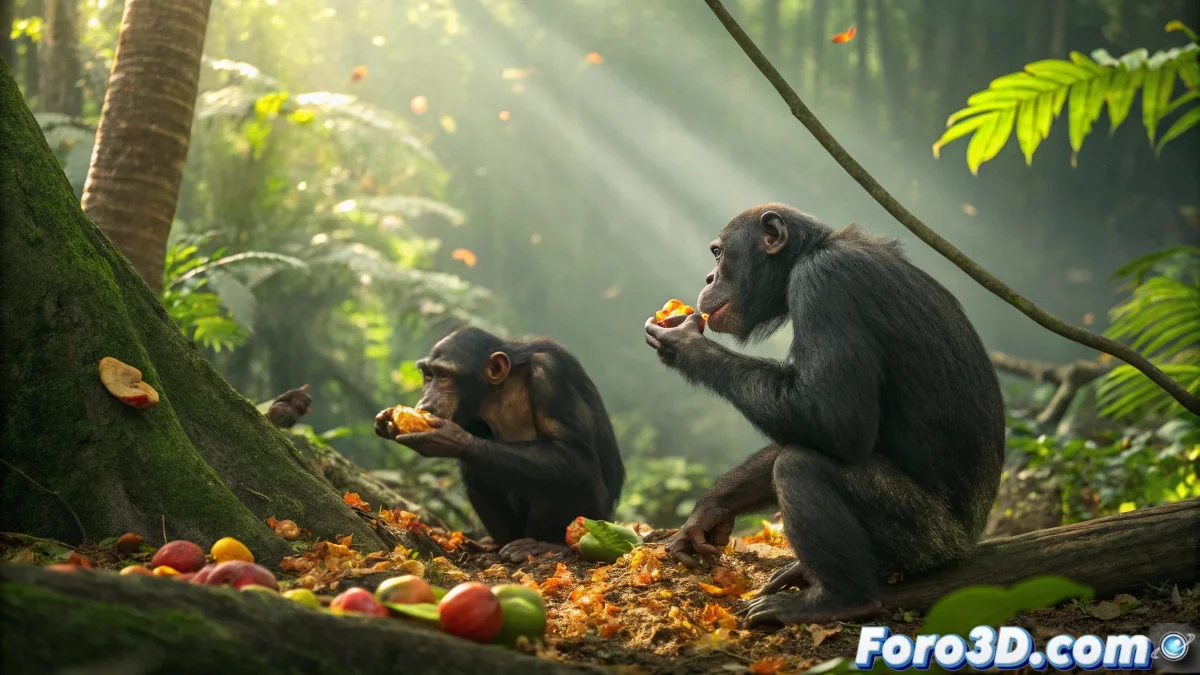
A fascinating study has revealed that wild chimpanzees may experience mild intoxication when consuming fermented fruit in their natural habitat 🍌. This fruit contains small amounts of alcohol produced naturally during fermentation, suggesting that apes developed tolerance to this compound long before humans. Researchers observed that chimpanzees not only actively seek out this fruit but consume it in large quantities when available, although the effects appear mild and do not interfere with their daily activities. A discovery that offers revealing clues about our evolutionary relationship with alcohol 🐒.
Editing the Story in Adobe Premiere with Scientific Rigor
Adobe Premiere becomes the ideal tool for telling this scientific story, allowing meticulous organization of the material and highlighting nuances that might go unnoticed. From importing and organizing field footage to incorporating explanatory graphics, Premiere provides the workflow needed to create a documentary that combines scientific rigor with visual appeal. The key is to maintain the accuracy of the information while presenting it in an accessible and engaging way for the audience. Because good science deserves a good narrative 🎬.
Adobe Premiere becomes the perfect tool for telling stories that, like this one, reveal nuances that go unnoticed at first glance.
Project Setup and Material Organization
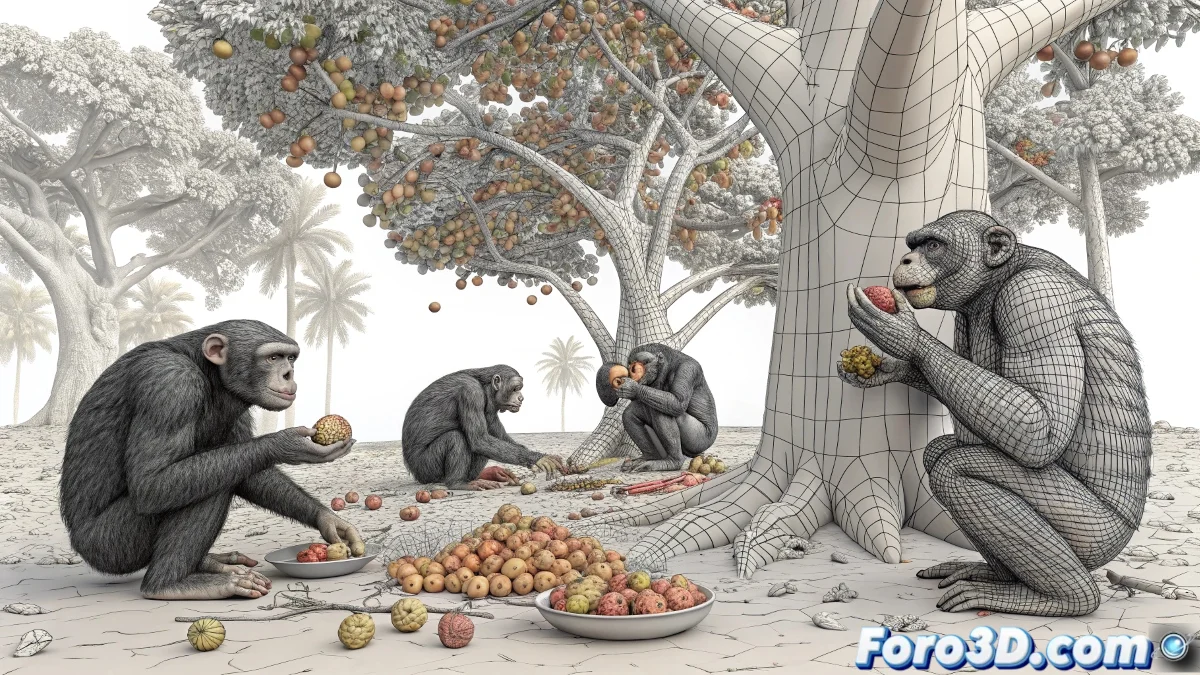
Starting a new project in Adobe Premiere with the appropriate settings is the first step toward efficient editing. It is recommended to work in 1920x1080 pixels at 25 fps for a standard documentary look, or 24 fps for a more cinematic aspect. Organization into bins (folders) within the Project panel is crucial: Interviews, B-Roll, Field, Graphics, Music, VO, Effects, and Export. Enabling GPU acceleration in Preferences > Media ensures smooth performance, especially when working with 4K or RAW material using proxies 🗂️.
Narrative Structure and Editing Techniques
The narrative structure should follow a clear visual script: introduction with a visual hook, field observation, study methodology, researcher testimonials, results interpretation, and conclusion. In the timeline, separate tracks are used for voice-over (VO), interviews, and B-roll, facilitating editing and rhythm adjustment. Techniques like J-Cuts and L-Cuts maintain fluidity between images and audio, while variable pacing—slower for ethological observations, livelier for data—helps engage the audience. Precision is key: never alter the scientific meaning when cutting interviews 🎚️.
Graphics, Audio, and Color Correction
Graphics created with Essential Graphics should be simple and clear, using visual comparisons instead of saturating with figures. Sources are cited in metadata and credits. Audio requires special attention: VO recorded in a quiet environment, normalized to -6 dBFS and loudness of -14 LUFS for web, with automatic ducking of music under the voice. Color correction in Lumetri seeks a natural documentary look, with moderate contrast, softened highlights, and slightly lifted shadows. Scopes (Waveform, Vectorscope) ensure accurate skin tones and proper dynamic range 🎨.
Ethical Aspects and Quality Control
Editing scientific content demands ethical rigor: verify filming permissions in protected habitats, do not reveal exact locations of sensitive species, and avoid sensationalism. The material should present findings as observations or hypotheses, not as absolute certainties, and a scientific review prior to publication is recommended. Final quality control includes playback on multiple devices, subtitle sync verification, and absence of artifacts. Export is done in H.264 for distribution, with a ProRes 422 HQ master for archiving 🧐.
The Irony of the Natural Binge
While human society debates the limits of responsible consumption, chimpanzees have been enjoying the most organic version of a binge for centuries... without glasses, ice, or apparent hangovers. That said, with a natural elegance that many Friday nights would envy 🍃.