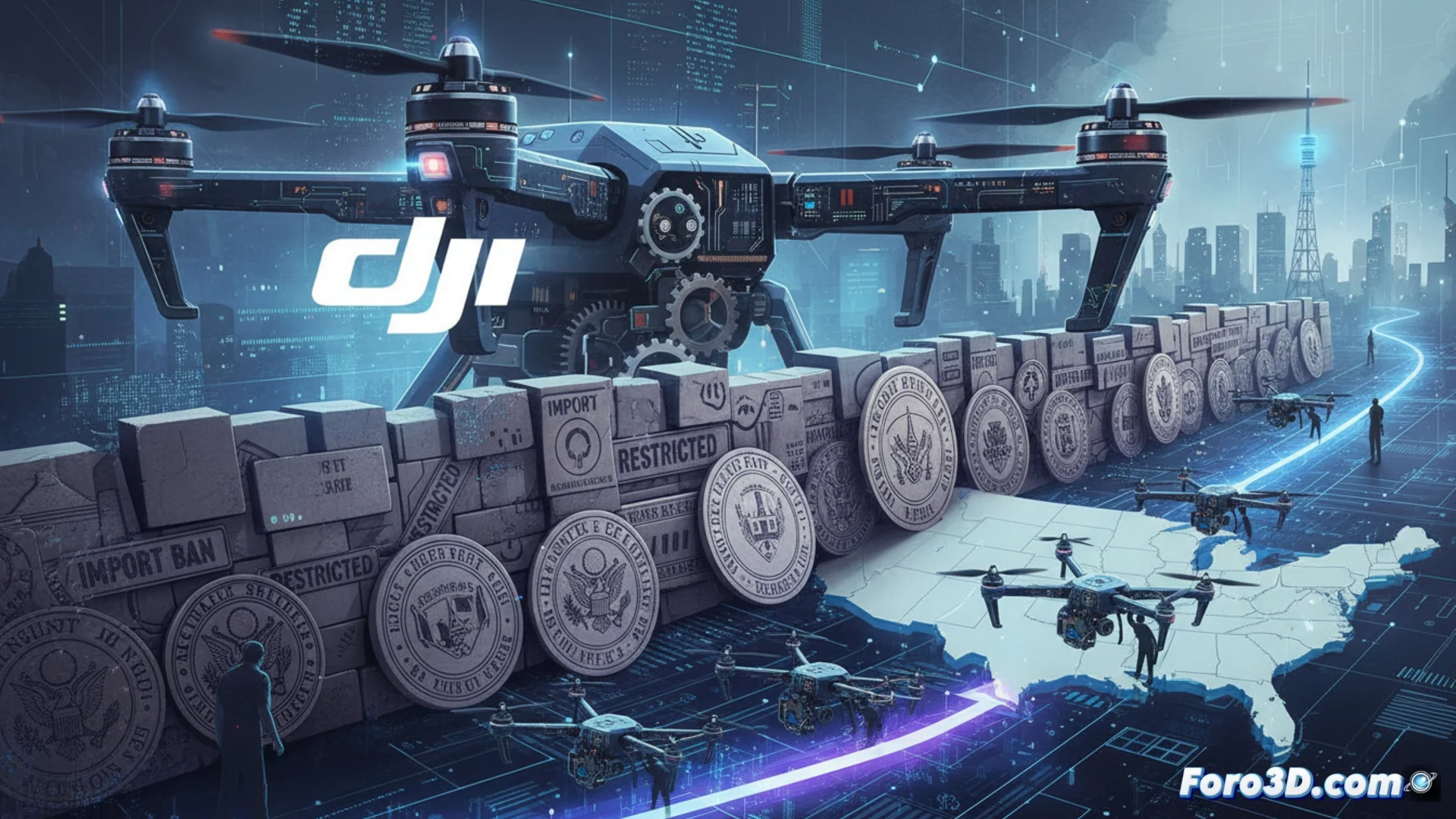
DJI Seeks to Sell Drones in the US Using Other Brands
As the year closes, it is confirmed that the Chinese manufacturer DJI's attempts to operate its direct channels in the North American market face strong regulatory resistance. 🚫 US authorities prevent the import of these products, forcing the company to devise new ways to reach its customers.
An Administrative Blockade Halts Official Entry
DJI's efforts to negotiate and obtain special authorizations crash against a bureaucratic wall. Despite the company trying to soften its stance, regulatory agencies decided to maintain the ban. This legal veto seals the main route the company used to distribute its aircraft and parts in the country, directly impacting its supply network.
Consequences of the Blockade:- The main distribution channel for drones and components is closed.
- The company's direct supply chain is affected.
- The firm stance of US agencies is confirmed.
In the technological cat-and-mouse game, sometimes the drone needs a disguise to land.
The Adaptation Plan: White-Labeling
Facing this scenario, DJI considers modifying its operations model. The strategy it is evaluating consists of using partners or forming new entities with distinct commercial identities to sell its hardware. This approach, known as white-labeling, would make it possible for drones manufactured by DJI to reach end users in the United States without displaying its emblem or main name, thereby avoiding sanctions targeted specifically at its brand.
Key Elements of the New Strategy:- Use commercial partners or create entities with different names.
- Market the same hardware under other brands (white-labeling).
- Bypass restrictions aimed only at the "DJI" name.
A Future with Borrowed Identity
This move underscores the complex challenges in the global technology market. To maintain its share in a key territory like the United States, DJI may have to hide its authorship. The situation illustrates how geopolitical and commercial tensions can force companies to reinvent even the way they present their products to the world.