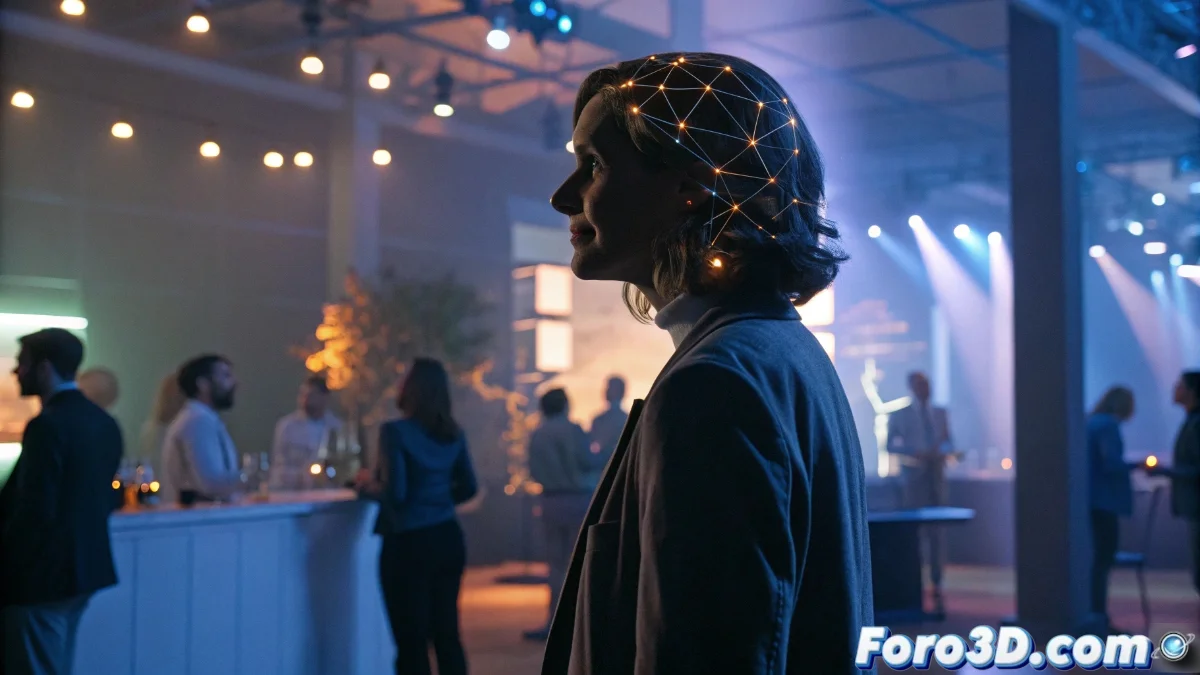
Suspicion as a Brain Protection Mechanism and Its Neurochemical Bases
Our brain possesses an ancestral alarm system that activates automatically in situations perceived as potentially dangerous. This response, known as suspicion, represents a fundamental evolutionary tool that has enabled the survival of our species for millennia 🧠.
Neurobiological Foundations of Distrust
The brain architecture dedicated to processing suspicion is mainly located in the limbic system, where the amygdala acts as an emotional sentinel. When it detects ambiguous or threatening signals, it immediately triggers characteristic physiological responses such as increased heart rate, muscle tension, and heightened vigilance. This activation occurs in milliseconds, long before the prefrontal cortex can rationally analyze the situation ⚡.
Key Components of the Alert System:- The amygdala as the primary detector of potential dangers
- Release of adrenaline and cortisol to prepare the body
- Activation of the sympathetic nervous system for immediate response
"Our modern brain carries the evolutionary baggage of our ancestors, sometimes confusing social gatherings with tribal threats"
Neurochemical Dynamics in States of Suspicion
Brain chemistry undergoes significant changes during episodes of distrust. Research using functional neuroimaging reveals that oxytocin levels—the hormone associated with trust and social bonding—decrease while cortisol, related to stress, rises dramatically. Simultaneously, a specific neuronal network is activated, including the medial prefrontal cortex and anterior insula, regions linked to risk assessment and social intuition 🔬.
Factors that Modulate the Distrust Response:- Previous negative experiences that create associative patterns
- Social contexts perceived as competitive or unfair
- Cultural influences and education received during childhood
Psychological Influence and Contextual Adaptation
Our personal history profoundly shapes suspicion thresholds through associative learning mechanisms. Past unpleasant events can generate confirmation biases that predispose us to anticipate negative outcomes in similar situations. The social environment also exerts a determining influence: in settings perceived as hostile or inequitable, our alert system naturally sensitizes, lowering the threshold needed to activate caution responses 🛡️.