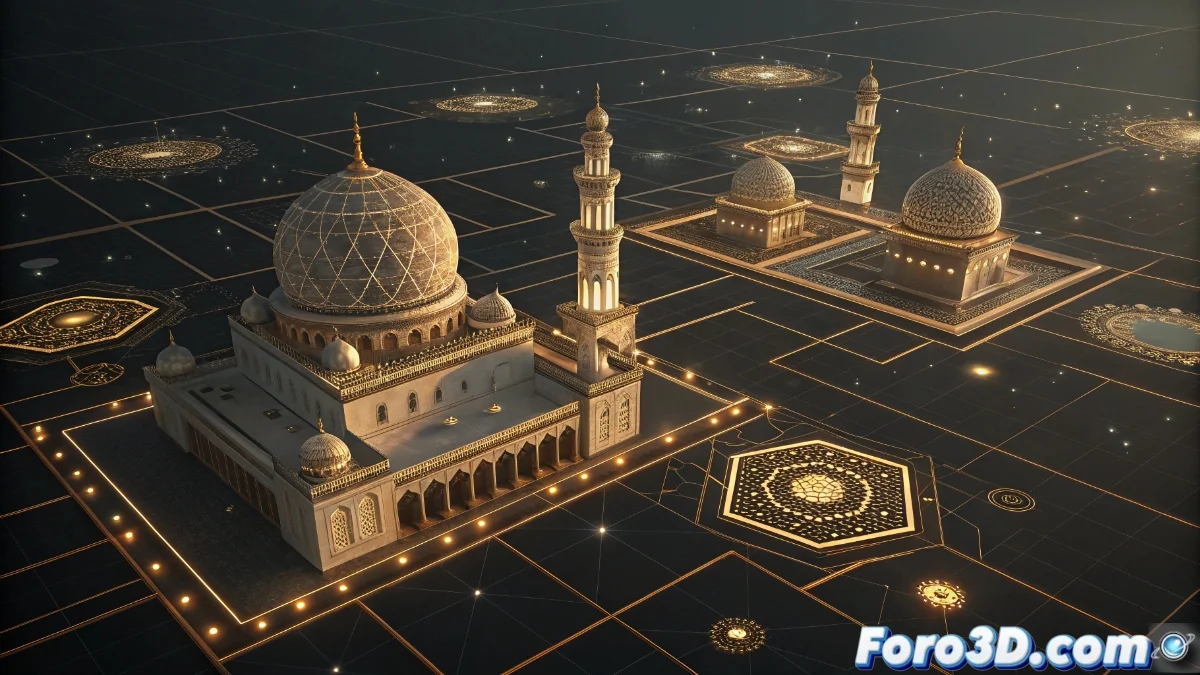
Discriminative Subgraphs as Structural Patterns in Visual Design
Discriminative subgraphs represent fundamental patterns that encapsulate the essence of particular visual styles within graphic data collections. These structures identify unique spatial relationships, distinctive element combinations, and compositional configurations that define a design's effectiveness and recognizability. 🎨
Pattern Extraction through Machine Learning
By examining extensive volumes of existing graphic work, machine learning algorithms can discover these subgraphs that represent everything from historical architectural styles to contemporary digital illustration techniques. The process involves analyzing thousands of examples to identify those structural elements that consistently appear in successful designs of a particular style.
Main Features of Discriminative Subgraphs:- Capture recurrent spatial relationships between visual elements
- Identify specific combinations of graphic components
- Reveal compositional structures that define recognizable styles
It's curious how we now seek for machines to understand what artists call the magic touch, when for centuries humans have insisted that true art is inexplicable and inimitable.
Integration with Advanced Generative Systems
Once identified, these discriminative patterns become essential components for generative systems such as Generative Adversarial Networks (GANs) or diffusion models. These technologies employ the subgraphs as structural constraints during generation processes, ensuring that new creations maintain coherence with reference styles while producing innovative variations. 🚀
Applications in Generative Systems:- Generators learn to recombine patterns creatively
- Production of results that respect the target style's compositional rules
- Generation of original variations without being mere replicas
Implementation in AI-Assisted Design
In the context of AI-assisted design, this methodology enables the development of tools that understand and replicate complex styles. Designers can specify certain subgraphs as starting points, and the system generates multiple proposals that expand those ideas while maintaining stylistic coherence. This significantly optimizes creative workflows by providing well-founded alternatives that professionals can refine. 💡
Advantages in Creative Processes:- Significant acceleration of design processes
- Generation of stylistically grounded alternatives
- Possibility of professional refinement instead of starting from scratch
The Future of Computational Creativity
The evolution of discriminative subgraphs represents a significant advance in how machines can understand and replicate the complexity of human visual design. These techniques do not seek to replace human creativity, but to enhance it through tools that understand the structural fundamentals behind what makes a design effective and memorable. 🌟